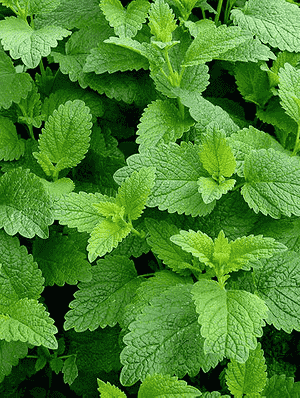
Lemon balm (Melissa officinalis)
Also known as: Balm mint, Balm, Balm Leaf, Honey Plant, Dropsywort
Lavender (Lavandula) is an herbaceous perennial renowned for its essential oils and gentle fragrance. These oils are commonly utilized in perfumes, beauty products, and household cleaning items. Lavender also serves as an attractive ornamental plant that can enhance gardens. Its cultivation dates back to at least the 16th century.
In This Article
Attributes of Lemon balm
Lifespan
Perennial, Annual
Plant Type
Herb
Plant Height
30 cm to 1.5 m
Spread
40 cm
Leaf Color
Green
Flower Size
1.2 cm to 1.3 cm
Flower Color
White Purple
Images of Lemon balm
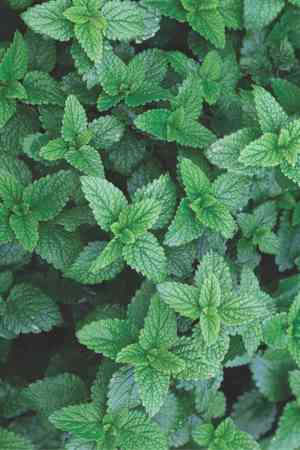
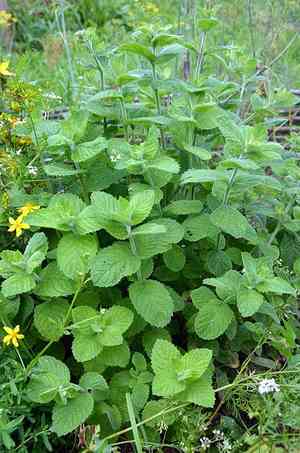
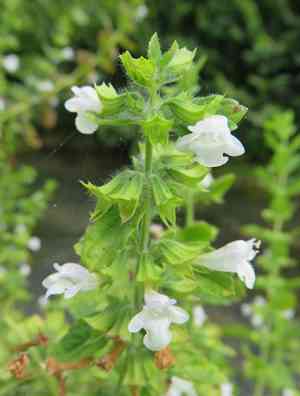
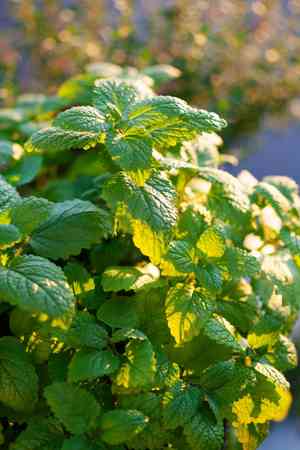
Quickly Identify Lemon balm
1
Distinct lemony aroma from leaves, characteristic of the mint family.
2
Square stems and opposite leaf arrangement, typical traits of the mint family.
3
Tiny, tubular two-lipped flowers appearing creamy white or light purple.
4
Nutlets in clusters, dry schizocarps with four one-seeded mericarps.
5
Broadly ovate leaves up to 3 inches (7.6 cm) long with crenate margins.
Scientific Classification of Lemon balm
Phylum
Vascular plants
Class
Dicotyledons
Order
Lamiales
Family
Mint
Genus
Melissa
Species
Lemon balm
Planting and Growing of Lemon balm
Care Difficulty
Easy
Watering Schedule
Every 8 days
Sunlight Requirements
Partial sun
Sunshine Duration
4-8 hours
Ideal Temperature
60-75℉
Soil Type
Potting Mix, Peat Mix
Soil pH
6.5-7.5
Fertilizer Type
Balanced
Pruning Season
Spring, Summer
Pruning Area
Branches, Leaves
Pruning Frequency
2 times a year
Repotting Season
Spring
Pot Type
Plastic, Ceramic
 How to Water Lemon balm?
Melissa officinalis, commonly known as lemon balm, thrives on moderate watering practices. It prefers its soil to be kept slightly moist but never waterlogged. A good guideline is to water until the top inch of soil feels slightly moist, which generally equates to about 250 ml of water.
More About Watering Techniques→
What are the symptoms of an underwatered Lemon balm?
›
What should I do if my Lemon balm is not getting enough water?
›
What are the symptoms of an overwatered Lemon balm?
›
How to save an overwatered Lemon balm?
›
 What Are the Sunlight Requirements for Lemon balm?
The ideal light range for Melissa officinalis is partial sun. It benefits from 4 to 6 hours of light, which ensures robust growth and enhances its aromatic qualities.
More About Sunlight Requirements Techniques→
How much light does Melissa officinalis need?
›
What are the benefits of providing ideal light to Melissa officinalis?
›
How can I ensure Melissa officinalis receives ideal lighting?
›
 What Is the Ideal Temperature Range for Lemon balm?
The optimal temperature range for Melissa officinalis, commonly known as lemon balm, is between 60°F and 75°F. This range supports healthy photosynthesis, vigorous growth, and essential oil production, making it ideal for both home gardens and commercial cultivation.
 What Soil is Best for Lemon balm?
Melissa officinalis thrives in well-drained soil that prevents waterlogging. Good drainage is crucial to prevent root rot and ensure healthy root growth, promoting the plant's overall vigor and health. This plant prefers soil enriched with organic matter to supply the nutrients it needs. Nutrient-rich soil supports robust growth and enhances the essential oils in the leaves, which are key for its aromatic properties. While Melissa officinalis loves moisture, it does not tolerate soggy soil. Maintaining moderate moisture levels in the soil helps the plant stay hydrated without causing root diseases, ensuring lush foliage.
More About Soil→
 How to Fertilize Lemon balm?
When fertilizing Melissa officinalis, use a balanced liquid fertilizer with a ratio of 10-10-10. Apply roughly 10 ml per liter of water. It's essential not to over-fertilize, as this can lead to fertilizer burn, causing the leaves to turn brown at the edges.
More About Fertilizing Techniques→
 How to Prune Lemon balm?
Begin pruning by removing any older, woody stems to make way for new, vigorous growth. This helps in maintaining an airy structure and promotes better air circulation. For optimal growth, make cuts just above a leaf node, which encourages the plant to produce two new shoots from the cut point, leading to a fuller plant. To maintain an even bushy appearance, shape the plant by trimming the outer edges uniformly. This keeps the plant looking attractive and balanced. Regularly harvesting leaves for culinary use doubles as pruning and helps keeps the plant in check, ensuring it doesn't become too overgrown.
More About Pruning Techniques→
 How to Propagate Lemon balm plant?
1
Fill seed trays with a light, well-draining potting mix. Sow the seeds thinly, covering them lightly with soil. Water gently and keep the trays in a warm location to facilitate germination.
2
Select healthy, non-flowering stems and cut segments of about 5-10 cm. Remove the lower leaves, dip the cut end in rooting hormone, and plant in a moist rooting medium.
3
Dig up the mature plant and gently separate the root ball into smaller sections. Ensure each section has sufficient roots and shoots before replanting in suitable conditions.
 How to Repot Lemon balm plant?
1
Melissa officinalis shows signs it needs repotting when its roots start growing through the drainage holes or when you notice that its growth has considerably slowed down. These are clear indicators that the plant has outgrown its current container and is becoming root-bound. Repotting should be considered when these signals are apparent, ensuring the plant receives the space and nutrients it needs to flourish.
2
When selecting a pot for Melissa officinalis, opt for one that is a couple of inches wider in diameter than the current one. This provides ample room for root expansion and helps prevent the plant from becoming root-bound too soon. Moreover, ensure the pot has sufficient drainage holes. Proper drainage is crucial to avoid waterlogging, which can lead to root rot, ultimately ensuring healthier plant growth and development.
3
Choose a soil with excellent drainage properties for repotting Melissa officinalis. A light, well-aerated soil that includes components like perlite or coarse sand can significantly enhance drainage capacity. This prevents soggy conditions and supports healthy root development. Proper soil selection is key to maintaining the ideal balance between moisture retention and drainage, promoting robust plant health and vitality.



