Melics (Melica) (Melica)
Also known as: Oniongrasses
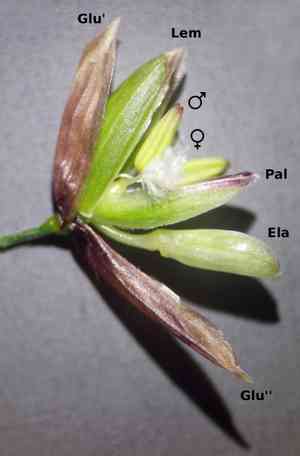
Melic grasses, part of the genus Melica, are perennial grasses known for their distinctive growth habits. They typically form clumps and can sometimes spread via short rhizomes. Their flowering stems feature spikelets with papery flowers, each spikelet containing one to seven fertile flowers, often accompanied by a few sterile florets at the tip. Some Melica species have corms, which has earned them the nickname "oniongrass." These grasses are commonly found in temperate regions across the globe.
In This Article
Attributes of Melics (Melica)
Lifespan
Perennial
Plant Height
30-100 cm
Spread
Not applicable
Leaf Color
Green
Flower Size
Not applicable
Flower Color
Purplish, Greenish
Images of Melics (Melica)
Quickly Identify Melics (Melica)
1
Melica can be identified by its tall, narrow stems, cylindrical flower panicles, and spikelets that are usually purplish or greenish in color. The leaves are generally long, linear, and have a rough texture.
Scientific Classification of Melics (Melica)
Phylum
Magnoliophyta
Class
Liliopsida
Order
Poales
Family
Poaceae
Genus
Melica
Planting and Growing of Melics (Melica)
Care Difficulty
Moderate
Watering Schedule
Every 2 days
Sunlight Requirements
Partial sun
Sunshine Duration
6-8 hours
Ideal Temperature
60-75℉
Soil Type
Potting Mix, Peat Mix
Soil pH
6.5-7.5
Fertilizer Type
Balanced
Pruning Season
Spring, Summer
Pruning Area
Branches, Leaves
Pruning Frequency
2 times a year
Repotting Season
Spring
Pot Type
Plastic, Ceramic
 How to Water Melics (Melica)?
Melica thrives well with a moderate watering routine. Aim to provide about 250 ml of water per session, ensuring the soil is moist but not waterlogged. The key is to allow the top layer of soil to dry out before the next watering, maintaining a balance between hydration and aeration.
What are the symptoms of an underwatered Melics (Melica)?
›
What should I do if my Melics (Melica) is not getting enough water?
›
What are the symptoms of an overwatered Melics (Melica)?
›
How to save an overwatered Melics (Melica)?
›
 What Are the Sunlight Requirements for Melics (Melica)?
Melica is best suited for partial sun, with ideally 4 to 6 hours of sunlight. This allows the plant to photosynthesize adequately, maintaining robust health and sturdy growth.
How much light does Melica need?
›
What is the solution for Melica if it lacks the ideal lighting?
›
What benefits does Melica experience under ideal lighting?
›
 What Is the Ideal Temperature Range for Melics (Melica)?
The ideal temperature range for cultivating Melica species is between 60°F and 75°F. These temperatures provide an optimal environment for growth, ensuring the plant develops strong foliage and healthy root systems. Maintaining this range mimics the plant's natural habitat and supports its physiological processes, such as photosynthesis and transpiration, effectively.
 What Soil is Best for Melics (Melica)?
Melica prefers well-drained soil that prevents waterlogging. This prevents root rot and allows enough air pockets for roots to respirate, vital for healthy growth. Rich in organic matter, soil should provide necessary nutrients for Melica’s dense foliage growth, promoting vibrant foliage and robust plant health. Balanced moisture levels help ensure that Melica gets enough water without being overwhelmed, supporting consistent growth and well-being.
 How to Fertilize Melics (Melica)?
For Melica, applying fertilizer should be moderately done to avoid overfeeding. Generally, during the growing season, a dilution of 1/4 of the recommended liquid fertilizer amount can be used bi-weekly. For solid fertilizers, ensure that only about half the standard dosage is used annually, especially when using slow-release granules.
 How to Prune Melics (Melica)?
Begin by identifying and cutting away any dead or damaged stems close to the base. This opens up the plant and allows for better air circulation. Carefully trim back overgrown or unwanted sections to maintain a compact and desirable form. Aim to maintain uniformity while encouraging natural shape. When thinning, target stems that appear weak or are growing inwards towards the center to prevent crowding and promote healthier outer growth.
 How to Propagate Melics (Melica) plant?
1
Select seeds from a reputable source to ensure high germination rates. Inspect them for any signs of damage or disease. This is crucial for successful seed propagation.
2
Fill a seed tray with a well-draining seed-starting mix. Sow seeds on the soil surface and lightly cover them. Water gently to settle the seeds but avoid overwatering.
3
For division, use a garden fork to lift the plant from the ground. Gently separate the clumps, ensuring each has roots attached. Replant at the same depth as the original plant.
 How to Repot Melics (Melica) plant?
1
Melica plants show signs of needing repotting when their roots start to circle the base of the pot or emerge from drainage holes. Noticeably reduced growth is another signal. Spring and autumn, when plant growth is naturally slower, provide an ideal time for repotting as fresh roots settle well in moderate temperatures.
2
Select a pot that is one size larger than the current one. It should have drainage holes to prevent waterlogging, which can cause root rot. The right pot allows adequate space for root expansion and ensures balanced moisture levels, supporting robust plant health and growth.
3
Choose a well-draining soil mix, ideally a combination of garden soil, sand, and compost. This mix ensures good aeration and prevents water stagnation, providing the roots with necessary oxygen and nutrients, thus fostering healthy and vigorous plant growth.

