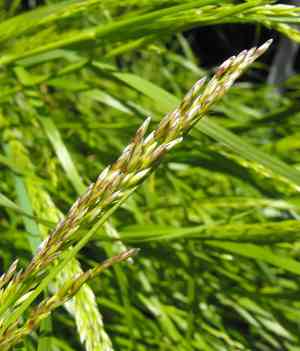
Smallflower melicgrass (Melica imperfecta)
Also known as: Little california melica
Deergrass (*Muhlenbergia rigens*) is a perennial bunchgrass native to regions of North America such as Nevada, Arizona, California, and Baja California. It is sometimes grown ornamentally in natural landscapes and habitat gardens due to its drought tolerance. However, without sufficient water, it can turn yellow during the peak of summer.
In This Article
Attributes of Smallflower melicgrass
Lifespan
Perennial
Plant Type
Grass
Plant Height
1.2 m
Spread
60 cm to 90 cm
Leaf Color
Green
Flower Size
Small
Flower Color
Yellow Green Brown
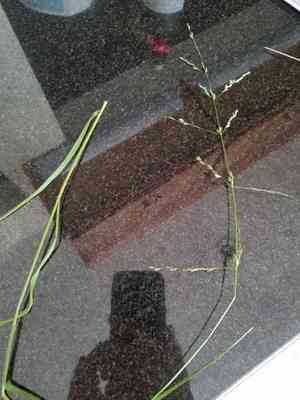
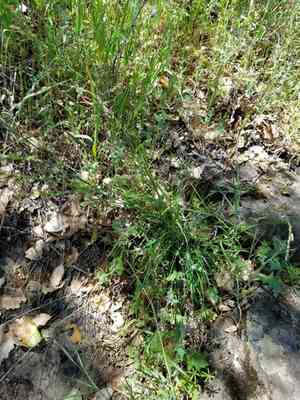
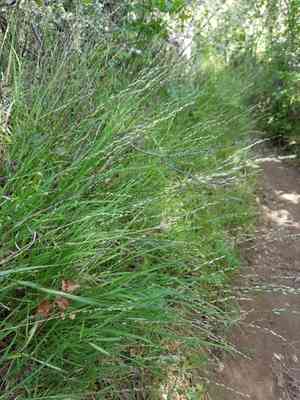
Images of Smallflower melicgrass
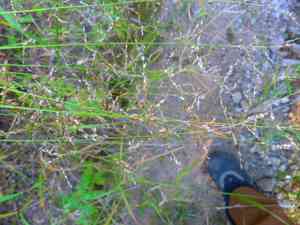
Quickly Identify Smallflower melicgrass
1
Perennial tufted clumps of green foliage up to 1 foot (30 cm) tall.
2
Upright fountain-like inflorescences 2-3 feet (60-90 cm) tall with arching spikelets.
3
Drought-resistant plant entering dormancy in dry summers.
Scientific Classification of Smallflower melicgrass
Phylum
Vascular plants
Class
Monocotyledons
Order
Poales
Family
Grass
Genus
Melics
Species
Smallflower melicgrass
Planting and Growing of Smallflower melicgrass
Care Difficulty
Easy
Watering Schedule
Every 3 days
Sunlight Requirements
Full sun
Sunshine Duration
6-10 hours
Ideal Temperature
70-85℉
Soil Type
Potting Mix, Peat Mix
Soil pH
6.5-7.5
Fertilizer Type
Balanced
Pruning Season
Spring, Summer
Pruning Area
Branches, Leaves
Pruning Frequency
2 times a year
Repotting Season
Spring
Pot Type
Plastic, Ceramic
 How to Water Smallflower melicgrass?
Melica imperfecta, commonly known as smallflower melic, prefers its soil to be kept moderately moist but never waterlogged. A good rule of thumb is to water it with approximately 300 milliliters each time, ensuring the top layer of soil is dry before re-watering. Overwatering can cause root issues, so allow the soil to dry slightly in between watering sessions to prevent root rot.
What are the symptoms of an underwatered Smallflower melicgrass?
›
What should I do if my Smallflower melicgrass is not getting enough water?
›
What are the symptoms of an overwatered Smallflower melicgrass?
›
How to save an overwatered Smallflower melicgrass?
›
 What Are the Sunlight Requirements for Smallflower melicgrass?
Melica imperfecta thrives in full sun to partial sun, benefiting from 6-8 hours of light daily. This range supports robust growt,h and healthy foliage by maximizing photosynthetic activity, crucial for optimal energy production.
How much sunlight does Melica imperfecta require?
›
What solutions are there to provide ideal sunlight?
›
What benefits occur from ideal sunlight conditions?
›
 What Is the Ideal Temperature Range for Smallflower melicgrass?
The ideal temperature range for growing Melica imperfecta is between 70°F and 85°F. Within this temperature range, the plant optimally performs photosynthesis and growth processes, ensuring robust development. This range mimics the plant's native environment, promoting healthy foliage and flowering, while minimizing stress and susceptibility to disease.
 What Soil is Best for Smallflower melicgrass?
Melica imperfecta thrives in well-draining soils, which prevents waterlogging and root rot. Good drainage facilitates oxygen availability to the roots, promoting healthy plant growth. This plant prefers nutrient-rich loamy or sandy loam soils. Adequate nutrients ensure strong root development and robust top growth, enhancing the plant's resilience to environmental stresses. A balance between sand, silt, and clay ensures the ideal soil structure for Melica imperfecta. This balance promotes root penetration and access to moisture and nutrients across various soil profiles.
 How to Fertilize Smallflower melicgrass?
Melica imperfecta, commonly known as California melic, moderately requires fertilizer. Applying a half-strength, balanced liquid fertilizer every two weeks during the growing season is beneficial. This helps in promoting vibrant growth without overwhelming the plant.
 How to Prune Smallflower melicgrass?
Begin pruning your Melica imperfecta at the start of Spring or during mid-Summer. This timing allows the plant to recover and grow vigorously before entering its next active growing phase. Use sharp, clean pruning shears to avoid damaging the plant. Disinfect your tools before use to prevent the spread of diseases. You’ll also need gardening gloves to protect your hands. Start by removing any dead, damaged, or diseased stalks at their base. Next, trim overgrown stems to maintain shape and prevent overcrowding. Ensure to prune just above a node to encourage new shoot growth.
More About Pruning Techniques→
 How to Propagate Smallflower melicgrass plant?
1
For seed propagation, start by preparing a well-draining soil mix. Mix peat moss with perlite to provide a balanced medium that retains moisture while still offering good aeration.
2
Sow the seeds thinly on the surface of the prepared soil. Cover lightly with soil, as Melica imperfecta seeds require light exposure to germinate.
3
Water the soil gently using a spray bottle to keep it moist. It's crucial not to overwater, as this can cause the seeds to rot before they have a chance to germinate.
 How to Repot Smallflower melicgrass plant?
1
Repotting Melica imperfecta is necessary if you notice roots circling inside the pot, the plant becoming root-bound, or water running straight through the pot. Ideally, repot during its active growth phase in spring or summer for optimal recovery and adjustment.
2
Select a pot that is 1-2 inches larger in diameter than the current one. This prevents waterlogging and offers ample room for root expansion, thereby reducing stress on the plant and minimizing the risk of root rot.
3
Opt for a well-draining sandy soil mix to ensure efficient water drainage. Such soil prevents water from pooling around the roots, thereby decreasing the likelihood of fungal issues and promoting robust root health.



