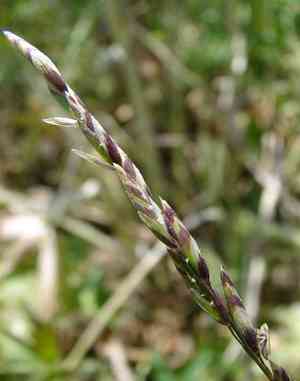
Onion grass (Melica bulbosa)
Also known as: Oniongrass, Onion Melica
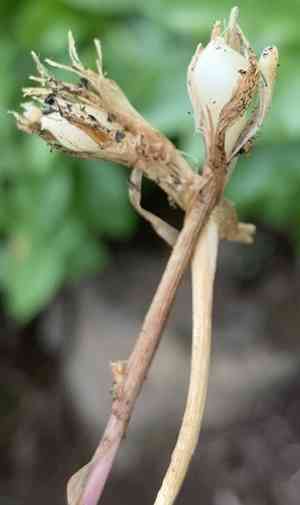
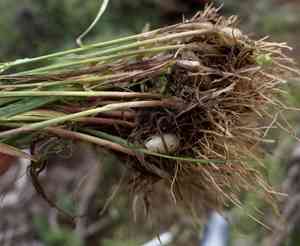
The plant's common name is derived from the onion-like look of its corm, though it is not actually related to onions. It originates from western North America, specifically ranging from British Columbia down to the Rocky Mountains and extending to California. Its natural habitats are varied and include mountainous forests, wooded areas, open hillsides, and streambanks. It might also be found as far east as Texas.
In This Article
Attributes of Onion grass
Lifespan
Perennial
Plant Type
Grass
Plant Height
Up to 3 feet
Spread
Spreading, up to 1 foot
Leaf Color
Green
Flower Size
0.1 to 0.2 inches
Flower Color
Greenish to purplish
Images of Onion grass
Quickly Identify Onion grass
1
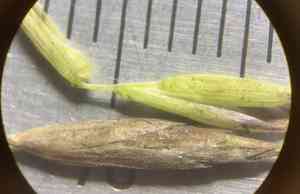
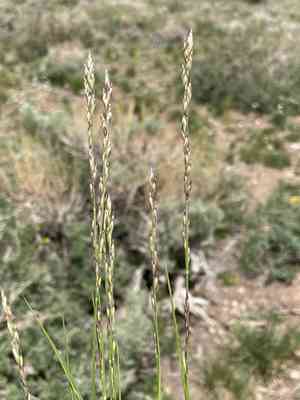
Melica bulbosa can be identified by its erect, slender stems and bulbous bases. The leaves are narrow, grass-like, and typically grow in clusters from the base. The flower spikelets are small, greenish to purplish, and arranged in loose panicles.
Scientific Classification of Onion grass
Phylum
Vascular plants
Class
Monocotyledons
Order
Poales
Family
Grass
Genus
Melics
Species
Onion grass
Planting and Growing of Onion grass
Care Difficulty
Moderate
Watering Schedule
Every 4 days
Sunlight Requirements
Partial sun
Sunshine Duration
4-8 hours
Ideal Temperature
50-77℉
Soil Type
Potting Mix, Peat Mix
Soil pH
6.5-7.5
Fertilizer Type
Balanced
Pruning Season
Spring, Summer
Pruning Area
Branches, Leaves
Pruning Frequency
Once a year
Repotting Season
Spring
Pot Type
Plastic, Ceramic
 How to Water Onion grass?
Melica bulbosa prefers its soil to be moderately moist but not waterlogged. You should aim to water until the top 5 centimeters of the soil feels damp but not soggy. Achieve this by pouring approximately 250 milliliters of water each time, ensuring it's evenly distributed.
What are the symptoms of an underwatered Onion grass?
›
What should I do if my Onion grass is not getting enough water?
›
What are the symptoms of an overwatered Onion grass?
›
How to save an overwatered Onion grass?
›
 What Are the Sunlight Requirements for Onion grass?
Melica bulbosa thrives in partial sun to full sun conditions. Ideally, providing 4-8 hours of sunlight ensures that it receives enough energy to perform photosynthesis efficiently, supporting healthy growth and development.
How much sun does Melica bulbosa require?
›
What can you do to achieve ideal lighting?
›
What are the benefits of ideal lighting for Melica bulbosa?
›
 What Is the Ideal Temperature Range for Onion grass?
Melica bulbosa thrives best in a moderate temperature range of 50°F to 77°F. These conditions mimic its natural habitat, allowing for healthy growth and development. Maintaining this range ensures optimal photosynthesis and metabolism, fostering vibrant foliage and robust root systems.
 What Soil is Best for Onion grass?
Melica bulbosa thrives in well-drained soil, which prevents waterlogging and root rot. This enhances nutrient uptake, ensuring healthy growth and vigorous development. This plant flourishes in loam soils rich in organic matter. Such soils provide essential nutrients that boost its resilience and promote lush foliage. The ideal soil pH allows Melica bulbosa to absorb nutrients efficiently. Keeping the pH within 6.5 to 7.5 ensures optimal nutrient availability and healthy growth.
 How to Fertilize Onion grass?
For Melica bulbosa, it is crucial to apply fertilizers sparingly. Use about a quarter to half the recommended dose stated on the fertilizer package, as excessive amounts can adversely affect the plant's health. Typically, a dose in the vicinity of 50-100 grams per square meter is suitable.
 How to Prune Onion grass?
Begin by inspecting your Melica bulbosa for any dried or dead blades. Using clean, sharp pruning shears, trim these down to the base to ensure they do not sap energy from the healthy parts. Next, target any discolored or diseased leaves, cutting them out to prevent the spread of pathogens. Shape the plant by trimming any excessively long or unruly stalks, ensuring your cuts are at a slight angle to prevent water accumulation. Finally, remove any crowded areas to improve airflow, promoting a healthier, more attractive plant.
 How to Propagate Onion grass plant?
1
Collect seeds from mature Melica bulbosa plants and sow them in seed trays filled with a rich potting mix. Cover the seeds lightly with soil and keep them in a bright, indirect light. Make sure to maintain even moisture during germination.
2
Before dividing the plant, water it thoroughly to ease the separation process. Gently lift the whole clump from the ground and shake off excess soil to expose the roots. Look for natural separations in the root system to divide the plant carefully.
3
Once the divisions are separated, plant them in well-prepared soil. Ensure each division has a healthy portion of root and is planted at the same depth as it was in the original location. Water the new plants thoroughly after planting.
 How to Repot Onion grass plant?
1
Melica bulbosa usually signals the need for repotting when you notice its roots reaching out through drainage holes or the plant seems to be outgrowing its current container. These signs indicate that it's time for new space to grow.
2
Select a pot that is slightly larger than the current one. Ideally, it should have good drainage holes to prevent water logging. A pot that is too large might retain excess water, leading to root rot, while one that's too small might restrict growth.
3
A well-draining potting mix is ideal for Melica bulbosa. This ensures that excess water can escape easily, preventing the roots from sitting in water and rotting. The right soil mix provides essential nutrients while allowing air to circulate, promoting healthy root growth.



