
Chawan (Melanolepis multiglandulosa)
Also known as: Prickly-leaved Melanolepis, Prickly-leaved Muntingia, Taluto
The **Chawan tree**, also known as **Alim in the Philippines**, is a medium-sized tree indigenous to Southeast Asia. Its leaves are traditionally used to add sweetness to the Indonesian fermented cereal dish known as tapé.
In This Article
Attributes of Chawan
Lifespan
Perennial
Plant Type
Tree, Shrub
Plant Height
4 m to 20 m
Spread
up to 5 meters
Leaf Color
Dark green
Flower Size
2.5 cm
Flower Color
Yellow Green
Images of Chawan
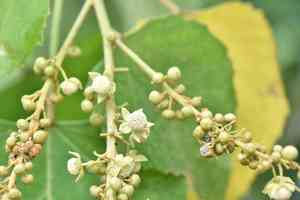
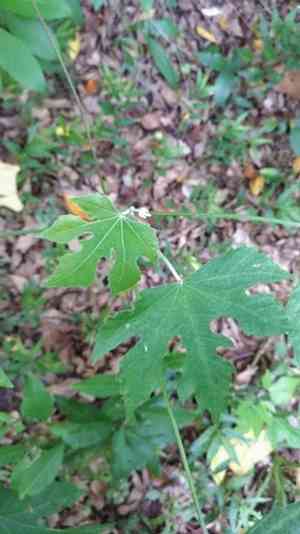
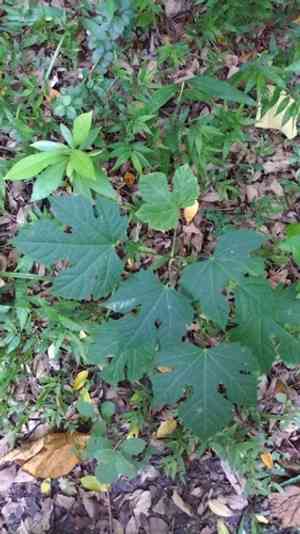
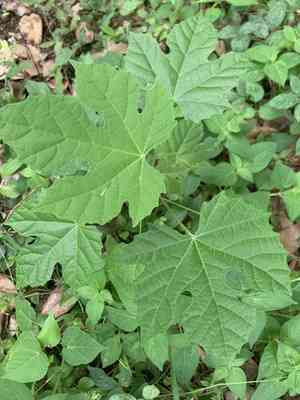
Quickly Identify Chawan
1
Identify Melanolepis multiglandulosa by its broad, heart-shaped leaves with toothed margins and a rough texture. The leaves have multiple prominent glands on the lower surface. Flowers are small, greenish, and not very noticeable, while the fruits are dark purple to black, spherical, and around 1 cm in diameter.
Scientific Classification of Chawan
Phylum
Vascular plants
Class
Dicotyledons
Order
Malpighiales
Family
Spurge
Genus
Melanolepis
Species
Chawan
Planting and Growing of Chawan
Care Difficulty
Moderate
Watering Schedule
Every 2 days
Sunlight Requirements
Partial sun
Sunshine Duration
6-10 hours
Ideal Temperature
65-75℉
Soil Type
Potting Mix, Peat Mix
Soil pH
6.5-7.5
Fertilizer Type
Balanced
Pruning Season
Spring, Summer
Pruning Area
Branches, Leaves
Pruning Frequency
2 times a year
Repotting Season
Spring
Pot Type
Plastic, Ceramic
 How to Water Chawan?
Water Melanolepis multiglandulosa deeply but infrequently, allowing the soil to dry slightly between waterings. Apply 500 ml of water until it seeps through the drainage holes, ensuring the roots receive a thorough drink while avoiding waterlogging.
What are the symptoms of an underwatered Chawan?
›
What should I do if my Chawan is not getting enough water?
›
What are the symptoms of an overwatered Chawan?
›
How to save an overwatered Chawan?
›
 What Are the Sunlight Requirements for Chawan?
Ideal lighting for Melanolepis multiglandulosa is partial sun, receiving four to six hours of dappled sunlight offering a balance of energy and protection against harsh rays.
More About Sunlight Requirements Techniques→
What is the ideal lighting condition for Melanolepis multiglandulosa?
›
How can I ensure Melanolepis multiglandulosa receives its ideal light?
›
What benefits arise from providing ideal lighting for Melanolepis multiglandulosa?
›
 What Is the Ideal Temperature Range for Chawan?
The ideal temperature range for Melanolepis multiglandulosa cultivation is between 65°F and 75°F. These conditions promote optimal growth, ensuring that the plant's metabolic processes function efficiently. Maintaining temperatures within this range also supports healthy leaf development and overall plant vigor.
 What Soil is Best for Chawan?
Melanolepis multiglandulosa thrives in well-drained soil, which prevents root rot by allowing excess water to escape easily. This ensures the roots receive adequate oxygen and reduces the risk of fungal infections. The plant prefers moderately fertile soil, which supports steady growth and ensures the plant receives essential nutrients without the risk of nutrient burn or excessive growth that might lead to weak structures. Soil that retains moisture yet drains well is crucial to avoid water stress. This balance ensures that the plant remains hydrated during dry spells, providing a stable growth environment.
 How to Fertilize Chawan?
For Melanolepis multiglandulosa, ensure you use a balanced fertilizer. Liquid fertilizer should be applied at half the recommended rate on the package. Granular fertilizers should be spread lightly, with about 200 grams per square meter being sufficient.
 How to Prune Chawan?
Start by using clean, sharp pruning tools to avoid any injury to the plant. Begin at the base, removing any dead or diseased branches, as these can harbor pests and diseases. Gradually work your way up, snipping away any overgrown or crossing branches to shape the plant evenly. Focus on maintaining the tree's natural architecture, ensuring a balanced look from all angles. Always prune above a bud to encourage new growth in the desired direction. Finally, take a step back frequently to assess the plant’s form and adjust your cuts accordingly.
More About Pruning Techniques→
 How to Propagate Chawan plant?
1
Harvest seeds from mature Melanolepis multiglandulosa plants in late summer when they are fully ripe. Ensure the seeds are dry and store them in a cool place until ready for sowing.
2
Select healthy stems that do not have flowers and cut a 4-6 inch section just below a node. Remove the leaves from the lower half to prevent moisture loss during root establishment.
3
Sow the seeds in a seed tray filled with a mixture of potting soil and sand. Cover lightly with soil and mist to keep the surface moist. Maintain a warm temperature for optimal germination.
 How to Repot Chawan plant?
1
Melanolepis multiglandulosa should be repotted when you observe roots emerging from the drainage holes or when the plant becomes root-bound. Spring and summer are optimal because the plant experiences active growth during this period, allowing it to establish in the new potting environment more swiftly.
2
Select a pot that is 2-3 inches larger in diameter than the current one, with adequate drainage holes. A slightly larger pot provides room for root expansion, aids in preventing waterlogging, and promotes healthy growth.
3
Opt for a well-draining sandy soil with good aeration. This soil structure ensures excess water drains away, reducing the risk of root rot while providing necessary support for the plant's robust growth.
Toxicity
Ingestion, contact
WARNING
The judgment on toxicity and danger is for reference only. We DO NOT GUARANTEE any accuracy of such judgment. Therefore, you SHALL NOT rely on such judgment. It is IMPORTANT TO SEEK PROFESSIONAL ADVICE in advance when necessary.
Learn More About Chawan Diseases
Anthracnose
Bacterial Leaf Spot
Bacterial Soft Rot
Bacterial Wilt
Black Spot
Chemical Injury
Crown Gall
Cyst Nematode
Damping-off
Downy Mildew
Drought Stress
Fusarium Wilt
Gray Mold
Leaf Curl
Leaf Spot
Mosaic
Nutrient Deficiency
Nutrient Toxicity
Powdery Mildew
Root Rot
Root-knot Nematode
Rusts
Sooty Mold
Spider Mites
Temperature Stress
Thrips Damage
White Mold



