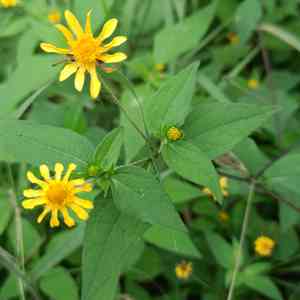
Melampodium (Melampodium)(Melampodium)

Melampodium (Melampodium) (Melampodium)

Also known as: Blackfoot Daisy

Melampodium plants, often referred to as Blackfoot daisies, originate from the tropical and subtropical regions of the Americas, thriving particularly in rocky soils. The name Melampodium comes from Greek, meaning "black foot," alluding to their dark-colored stems and roots. These plants resemble small sunflowers and have become popular in gardens globally.

**Key Characteristics:**
1. **Compact Growth:** Typically reaching 12-18 inches in height.
2. **Leaves:** Green, ovate to lance-shaped.
3. **Flowers:** Bright yellow, daisy-like with a central disc.
4. **Bloom Period:** Extended, from late spring until the first frost.
5. **Growth Form:** Bushy and mounded.

**Cultivation Benefits:**
1. **Ease of Care:** Requires minimal maintenance, being drought-tolerant and pest-resistant.
2. **Light Needs:** Prefers full sun for optimal growth.
3. **Soil Preference:** Well-drained soils, adaptable to various types.
4. **Water Needs:** Moderate watering; becomes drought-resistant once established.
5. **Versatility:** Suitable for both containers and garden beds due to its manageable size and attractive growth habit.

These attributes make Melampodium an appealing choice for gardeners seeking a resilient, colorful plant that flourishes in both container settings and garden beds.

Attributes of Melampodium (Melampodium)

Lifespan
Annual
Plant Height
20-50 cm
Spread
20-30 cm
Leaf Color
Green
Flower Size
2-4 cm
Flower Color
Yellow

ForwardPlant - Identify plants with a snap

Identify and diagnose plants, get toxicity alerts, and explore safety guides for all types of fungi.

Try for Free

Images of Melampodium (Melampodium)

Melampodium (Melampodium)(Melampodium)

Quickly Identify Melampodium (Melampodium)

1
Melampodium can be identified by its small, daisy-like flowers with yellow petals and a central disk that can vary from yellow to brown. The leaves are usually simple, alternate, and can have a slightly hairy texture.

Scientific Classification of Melampodium (Melampodium)

Phylum
Magnoliophyta
Class
Magnoliopsida
Order
Asterales
Family
Asteraceae
Genus
Melampodium

Planting and Growing of Melampodium (Melampodium)

Care Difficulty
Easy
Watering Schedule
Every 4 days
Sunlight Requirements
Full sun
Sunshine Duration
6-10 hours
Ideal Temperature
70-80℉
Soil Type
Potting Mix, Peat Mix
Soil pH
6.5-7.5
Fertilizer Type
Balanced
Pruning Season
Spring, Summer
Pruning Area
Branches, Leaves
Pruning Frequency
2 times a year
Repotting Season
Spring
Pot Type
Terracotta, Plastic

water icon How to Water Melampodium (Melampodium)?

When watering Melampodium, ensure that you provide about 250 milliliters of water per session. The soil should be moist but not soggy. Aim for a balance where the top inch of soil is dry, indicating it's time for the next watering session. This helps prevent root rot while ensuring the plant's roots are sufficiently hydrated.
What are the symptoms of an underwatered Melampodium (Melampodium)?
What should I do if my Melampodium (Melampodium) is not getting enough water?
What are the symptoms of an overwatered Melampodium (Melampodium)?
How to save an overwatered Melampodium (Melampodium)?

sunlight icon What Are the Sunlight Requirements for Melampodium (Melampodium)?

Sunlight Requirements: Full sun, Partial sun
Duration of light: 6 to 8 hours daily
The ideal range is full sun to partial sun, allowing Melampodium to maximize flowering potential. Ideal light facilitates abundant blooms and maintains healthy foliage.
Question 1
Question 2
Question 3

temperature icon What Is the Ideal Temperature Range for Melampodium (Melampodium)?

Ideal Temperature: 70 ~ 80℉
The ideal temperature range for Melampodium is between 70°F and 80°F. These conditions promote optimal physiological functions such as photosynthesis and respiration, ensuring healthy growth and vibrant blooms. Consistency in this temperature range helps in maximizing the plant's overall development.

soil icon What Soil is Best for Melampodium (Melampodium)?

Soil type: Loam, Sandy loam
Soil PH: 6.5 ~ 7.5
Melampodium thrives best in well-draining soil as it prevents waterlogging and root rot, ensuring robust plant health. This type of soil allows excess water to escape, maintaining the optimal moisture level for strong root development. A moderately fertile soil provides essential nutrients necessary for Melampodium's vibrant growth and flowering. It supports lush foliage and robust flowers, contributing to a lush, appealing garden display. The plant prefers soil with a pH close to neutral, between 6.5 and 7.5. This pH range optimizes nutrient absorption, helping the plant maintain its bright, cheerful blooms throughout the growing season.

fertilize icon How to Fertilize Melampodium (Melampodium)?

Fertilizer type: Balanced
For Melampodium, a balanced liquid fertilizer should be diluted to half-strength. Apply about 50 ml per plant monthly when using liquid fertilizer, ensuring it doesn't get too concentrated to avoid root damage.

prune icon How to Prune Melampodium (Melampodium)?

Pruning Time: Spring, Summer, Autumn
Begin by identifying dead or damaged stems and leaves. These are usually discolored or wilted. Removing them first helps the plant focus on healthy growth. Make cuts at a 45-degree angle just above a leaf node. This angle promotes natural healing and encourages new growth from the cut area. Ensure your cuts are clean to avoid damage. To promote a bushier plant, trim the tips of the main stems. This encourages side shoots to develop, resulting in a fuller, more robust appearance.

propagate icon How to Propagate Melampodium (Melampodium) plant?

Propagate Time: Spring, Early summer
1
Harvest seeds from mature Melampodium flowers once they have dried on the plant. Ensure they are fully matured for higher germination success and store them in a cool, dry place prior to planting.
2
Select a healthy stem and cut just below a node. Remove lower leaves to minimize water loss and dip the cut end in rooting hormone to enhance root development.
3
Place seeds in a seed tray with well-draining soil. For cuttings, insert them into moist potting mix. Both should be kept in indirect sunlight and kept consistently moist until roots establish.

repot icon How to Repot Melampodium (Melampodium) plant?

Repotting frequency: Every 1-2 years
1
Repot Melampodium when you notice roots emerging from the drainage holes or the plant’s growth appears stunted. Spring is ideal for repotting due to its conducive growing conditions. These signs indicate a need for more space, which is crucial for healthy growth.
2
Select a pot that is 1-2 inches larger in diameter than the current one. Ensure it has drainage holes to prevent water accumulation, which can cause root rot. A slightly bigger pot supports the expanding root system while preventing excessive moisture retention.
3
Choose a well-draining potting mix to enhance aeration and prevent water-logging. This type of soil is crucial for Melampodium as it prefers a balance of moisture and dryness, avoiding circumstances that could lead to root rot or other moisture-related issues.

ForwardPlant - Identify plants with a snap

Find the best spots for them to optimize their health, simply using your phone.

Try for Free
