
Paper-bark tree (Melaleuca cajuputi subsp. cumingiana)
Also known as: Cuming's paperbark, Cajuput tree
The paper-bark tree, scientifically known as *Melaleuca cajuputi subsp. cumingiana*, is a naturally occurring variety named in tribute to Hugh Cuming, an English collector and botanist. This evergreen species is noted for its toxicity, posing risks even through skin contact, necessitating careful handling.
In This Article
Attributes of Paper-bark tree
Lifespan
Perennial
Plant Type
Tree
Plant Height
18 m
Spread
5-10 meters
Leaf Color
Green
Flower Size
1-2 centimeters
Flower Color
White Yellow Green
Images of Paper-bark tree
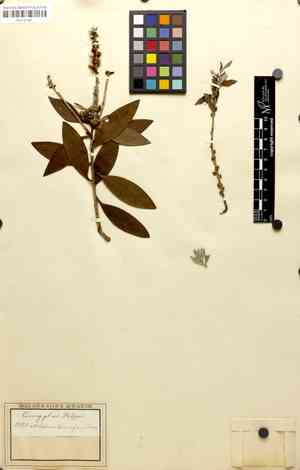
Quickly Identify Paper-bark tree
1
The tree can be identified by its distinctive papery bark, which peels in thin layers. The leaves are narrow, lance-shaped, and emit a camphor-like aroma when crushed. Flowers are white or cream-colored, arranged in spikes.
Scientific Classification of Paper-bark tree
Phylum
Vascular plants
Class
Dicotyledons
Order
Myrtle order
Family
Myrtle
Genus
Tea trees
Species
Paper-bark tree
Planting and Growing of Paper-bark tree
Care Difficulty
Easy
Watering Schedule
Every 2 days
Sunlight Requirements
Full sun
Sunshine Duration
6-10 hours
Ideal Temperature
68-86℉
Soil Type
Potting Mix, Peat Mix
Soil pH
6.5-7.5
Fertilizer Type
Balanced
Pruning Season
Spring, Summer
Pruning Area
Branches, Leaves
Pruning Frequency
2 times a year
Repotting Season
Spring
Pot Type
Plastic, Ceramic
 How to Water Paper-bark tree?
The Cajeput subspecies Melaleuca cajuputi subsp. cumingiana prefers moderately moist soil, but not waterlogged. Aim to water thoroughly, allowing approximately 200 milliliters per watering to ensure the water penetrates deeply and reaches the roots without leaving the soil soggy.
What are the symptoms of an underwatered Paper-bark tree?
›
What should I do if my Paper-bark tree is not getting enough water?
›
What are the symptoms of an overwatered Paper-bark tree?
›
How to save an overwatered Paper-bark tree?
›
 What Are the Sunlight Requirements for Paper-bark tree?
Melaleuca cajuputi subsp. cumingiana thrives in full to partial sun, benefiting from 6 to 8 hours of direct sunlight each day. This supports healthy photosynthesis, encourages vigorous growth, and enhances flowering.
More About Sunlight Requirements Techniques→
What is the ideal light condition for Melaleuca cajuputi subsp. cumingiana?
›
How can you achieve the ideal sunlight exposure?
›
What benefits does ideal lighting provide to the plant?
›
 What Is the Ideal Temperature Range for Paper-bark tree?
The ideal temperature range for Melaleuca cajuputi subsp. cumingiana is between 68°F and 86°F. This range provides optimal conditions for the plant’s growth and development, encouraging robust foliage and healthy root systems.
 What Soil is Best for Paper-bark tree?
Melaleuca cajuputi subsp. cumingiana requires soil that allows water to drain efficiently to prevent root rot. Well-draining soil such as sandy soil helps ensure that excess water does not accumulate, maintaining the ideal moisture level for healthy growth. This plant thrives in nutrient-rich loamy soil that can provide essential nutrients for its growth. Incorporating organic matter or compost in the soil will enhance its fertility, thus supporting robust plant development and vibrant foliage. A slightly acidic to neutral pH range is optimal for this plant's absorption of nutrients. Maintaining soil pH between 6.5 and 7.5 ensures that lime-loving and acid-sensitive plants are balanced, enabling optimal absorption of micronutrients.
 How to Fertilize Paper-bark tree?
For Melaleuca cajuputi subsp. cumingiana, the recommended fertilizer amount should be moderate, aiming for about 1-2 tablespoons of granulated slow-release fertilizer per plant per application, and about 1/4 to 1/2 teaspoon of liquid fertilizer mixed with one liter of water.
 How to Prune Paper-bark tree?
Start by assessing the plant's current shape and identify any crossing or crowded branches. Trim these away to improve airflow and light penetration, which helps reduce disease and promote even growth. Cut back any dead or diseased branches to encourage healthy development. Make clean cuts at a 45-degree angle to the nearest healthy bud or branch junction to minimize the chance of infestation. To encourage bushier growth, pinch or cut the tips of young stems. This causes the plant to branch out rather than grow taller, resulting in a fuller appearance.
More About Pruning Techniques→
 How to Propagate Paper-bark tree plant?
1
Start by filling seed trays with a well-draining potting mix. Scatter the seeds evenly over the surface and lightly cover them with more potting mix. Keep the tray moist and in a warm, bright location.
2
Select healthy stems from the parent plant and use pruning shears to cut them at a 45-degree angle. Remove lower leaves and dip the ends in rooting hormone to encourage root development.
3
Place the prepared cuttings into pots filled with damp potting soil. Ensure they are deep enough to support themselves and water gently. Cover with a plastic bag to maintain humidity.
 How to Repot Paper-bark tree plant?
1
Melaleuca cajuputi subsp. cumingiana requires repotting when you notice roots crowding at the drainage holes or when growth noticeably slows down, indicating the roots have outgrown their current container.
2
Select a pot that is just one size larger than the current one to ensure healthy growth. This helps prevent over-watering and root rot while giving your plant enough space to expand its roots comfortably.
3
Opt for a well-draining sandy mix to replicate the plant's natural habitat, providing excellent drainage and preventing waterlogging, which is crucial for root health and overall plant vigor.
Learn More About Paper-bark tree Diseases
Anthracnose
Bacterial Leaf Spot
Crown Gall
Damping-off
Downy Mildew
Drought Stress
Fusarium Wilt
Gray Mold
Leaf Curl
Leaf Spot
Mosaic
Nutrient Deficiency
Nutrient Toxicity
Powdery Mildew
Root Rot
Root-knot Nematode
Rusts
Sooty Mold
Spider Mites
Temperature Stress
Thrips Damage
White Mold
Chemical Injury



