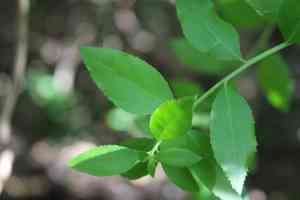
Mayten tree (Maytenus boaria)
Also known as: Chilean mayten
The Mayten tree, scientifically known as *Maytenus boaria*, is an evergreen native to South America. The specific epithet "boaria" is derived from the word "bovine," highlighting that Chilean cattle commonly graze on its tender lower leaves. Additionally, the tree features greenish-yellow flowers that are appealing to European honeybees.
In This Article
Attributes of Mayten tree
Lifespan
Perennial
Plant Type
Tree, Shrub
Plant Height
20 m
Spread
80 cm
Leaf Color
Green
Flower Size
1.5 mm to 3 mm
Flower Color
Green White Yellow
Images of Mayten tree
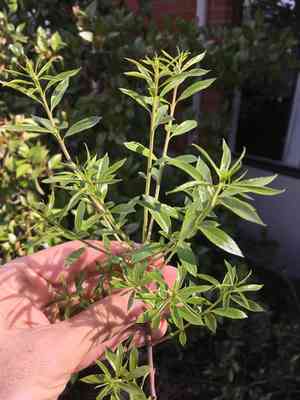
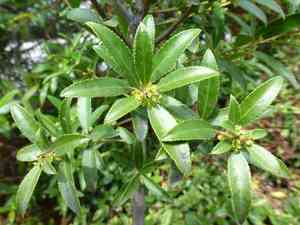
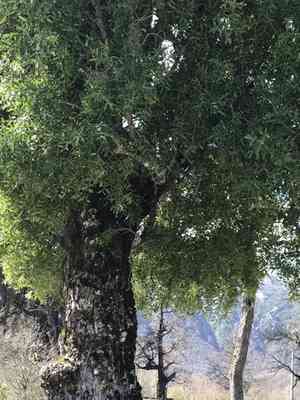
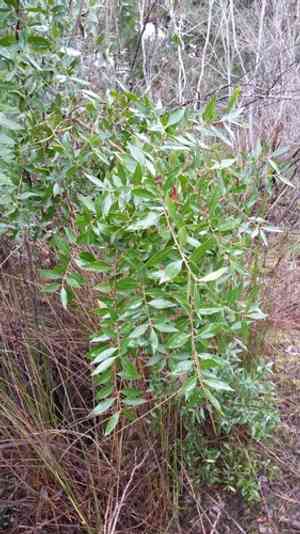
Quickly Identify Mayten tree
1
Weeping branches with pendulous growth
2
Small, bright green leaves perpendicular to stem
3
Tiny yellow flowers in winter, not prominent
4
Occasional small brown capsules with red seeds
5
Can endure temperatures down to 20°F (-6.67°C)
Scientific Classification of Mayten tree
Phylum
Vascular plants
Class
Dicotyledons
Order
Celastrales
Family
Bittersweet
Genus
Mayten
Species
Mayten tree
Planting and Growing of Mayten tree
Care Difficulty
Easy
Watering Schedule
Every 2 days
Sunlight Requirements
Full sun
Sunshine Duration
4-8 hours
Ideal Temperature
60-75℉
Soil Type
Potting Mix, Peat Mix
Soil pH
5.5-8.5
Fertilizer Type
Balanced
Pruning Season
Spring, Summer
Pruning Area
Branches, Leaves
Pruning Frequency
2 times a year
Repotting Season
Spring
Pot Type
Plastic, Terracotta
 How to Water Mayten tree?
Maytenus boaria requires watering with about 500 milliliters each time. As a relatively drought-tolerant species, it is essential to let the soil dry out between waterings to prevent root rot. The watering should be sufficient to moisten the root zone thoroughly, ensuring that the water reaches the deeper roots without oversaturating the soil.
What are the symptoms of an underwatered Mayten tree?
›
What should I do if my Mayten tree is not getting enough water?
›
What are the symptoms of an overwatered Mayten tree?
›
How to save an overwatered Mayten tree?
›
 What Are the Sunlight Requirements for Mayten tree?
Preferring full sun to partial sun, Maytenus boaria thrives with 6-8 hours of daily light. This ideal light fosters strong growth and vibrant leaf coloration.
More About Sunlight Requirements Techniques→
What is the ideal lighting condition for Maytenus boaria?
›
How can I ensure that Maytenus boaria gets its ideal light exposure?
›
What are the benefits of providing Maytenus boaria with ideal light exposure?
›
 What Is the Ideal Temperature Range for Mayten tree?
Maytenus boaria thrives best in temperatures ranging from 60°F to 75°F. This range supports healthy photosynthesis and optimal metabolic activity, essential for its growth and vitality. Maintaining this temperature ensures that the plant remains active and focused on growth, rather than merely surviving.
 What Soil is Best for Mayten tree?
Maytenus boaria thrives in well-draining soils, helping prevent waterlogging which can damage roots. This allows the plant to access nutrients easily and promotes a healthier growth environment. The plant prefers soils with moderate fertility that provide essential nutrients without overwhelming. This balance supports vigorous growth and maintains healthy foliage. While this plant can tolerate some drought, consistent soil moisture encourages steady growth and prevents stress. Regular watering helps to maintain this moisture balance.
 How to Fertilize Mayten tree?
When fertilizing Maytenus boaria, use a balanced, all-purpose fertilizer. For liquid fertilizers, dilute the solution to half the recommended strength to avoid overfeeding. For solid fertilizers, apply approximately 100 grams per plant. Adjust according to the plant's size and growth rate.
 How to Prune Mayten tree?
Begin by identifying any unwanted growth that detracts from the desired shape. Trim these areas back to maintain a pleasing outline. This not only enhances the visual appeal but also keeps the tree at a manageable size. Inspect the plant for any dead or diseased branches. Carefully remove these using clean, sharp pruning shears. Cutting back to healthy tissue will prevent the spread of disease and encourage vigorous new growth. Make angled cuts just above leaf nodes to stimulate new growth. This practice promotes a lush appearance and a healthy plant structure. Use this technique particularly in the spring when the plant's growth is at its peak.
More About Pruning Techniques→
 How to Propagate Mayten tree plant?
1
Choose healthy, disease-free branches and snip segments about 6-8 inches long. Ensure the cuttings have a few leaves, and remove any flowers or buds to direct energy towards root development.
2
Prepare a soil mix using a combination of sand and peat to create a well-draining medium. This mix should be slightly moist before inserting the cuttings or sowing seeds.
3
Dip the cut end of the cuttings into a rooting hormone powder to encourage root growth. Shake off any excess hormone before planting into the soil mixture.
 How to Repot Mayten tree plant?
1
Maytenus boaria indicates its need for repotting when roots start encircling the pot or emerging from drainage holes. The ideal time to repot is during its active growth in spring or summer when the plant is most resilient and can recover quickly from any root disturbances.
2
Select a pot that is about 2 inches larger in diameter than the current one. This allows enough room for the roots to expand without overwhelming the plant with too much extra soil, which can lead to waterlogging. Ensure good drainage to keep roots healthy and prevent rot.
3
Maytenus boaria thrives best in a well-draining loamy soil mix, which helps balance moisture retention and aeration. A mixture that includes perlite or coarse sand encourages optimal drainage, ensuring that the plant's roots remain healthy and receive adequate oxygen.



