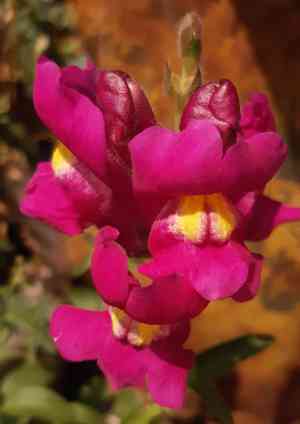
Mexican viper (Maurandya barclaiana)
Also known as: Creeping Gloxinia, Mexican Love Vine
Maurandya barclayana (also known as Asarina barclayana), commonly referred to as angel's trumpet or Mexican viper, is an ornamental plant in the Plantaginaceae family. It is mentioned in Charles Darwin's book "The Movements and Habits of Climbing Plants."
In This Article
Attributes of Mexican viper
Lifespan
Perennial
Plant Type
Herb, Vine
Plant Height
1 to 3 meters (3.2 to 9.8 feet)
Spread
Spread is generally around 1 to 2 meters (3.2 to 6.5 feet)
Leaf Color
Dark green
Flower Size
2 to 5 centimeters (0.8 to 2 inches)
Flower Color
White, pink, blue, purple
Images of Mexican viper
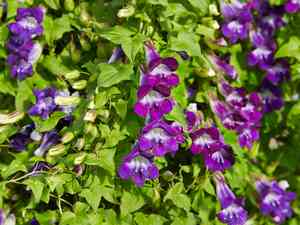
Quickly Identify Mexican viper
1
Look for its climbing or spreading habit, heart-shaped leaves, and tubular flowers that range in colors including white, pink, blue, and purple. It often has twining stems that help it cling to supports.
Scientific Classification of Mexican viper
Phylum
Vascular plants
Class
Dicotyledons
Order
Lamiales
Family
Plantain
Genus
Maurandya
Species
Mexican viper
Planting and Growing of Mexican viper
Care Difficulty
Easy
Watering Schedule
Every 8 days
Sunlight Requirements
Partial sun
Sunshine Duration
4-8 hours
Ideal Temperature
60-75℉
Soil Type
Potting Mix, Peat Mix
Soil pH
6.5-7.5
Fertilizer Type
Balanced
Pruning Season
Spring, Summer
Pruning Area
Branches, Leaves
Pruning Frequency
2 times a year
Repotting Season
Spring
Pot Type
Plastic, Ceramic
 How to Water Mexican viper?
Maurandya barclayana appreciates a steady but moderate watering routine. Ensure the soil remains consistently moist, but not waterlogged, with about 200 ml of water per session.
What are the symptoms of an underwatered Mexican viper?
›
What should I do if my Mexican viper is not getting enough water?
›
What are the symptoms of an overwatered Mexican viper?
›
How to save an overwatered Mexican viper?
›
 What Are the Sunlight Requirements for Mexican viper?
Maurandya barclaiana ideally prefers partial sun to full sun, thriving best with 6-8 hours of daily sunlight. Such conditions foster robust growth and vibrant flowering.
Optimal Sun Exposure
›
Bright and Warm Environment
›
Balancing Light Intensity
›
 What Is the Ideal Temperature Range for Mexican viper?
Maurandya barclaiana thrives best in moderate temperatures ranging between 60°F and 75°F. In this range, the plant can maintain optimal physiological functions, ensuring vibrant growth and blooming. The metabolic processes, such as photosynthesis and nutrient uptake, are most effective within these boundaries, promoting health and resilience against pests and diseases.
 What Soil is Best for Mexican viper?
Maurandya barclaiana thrives in well-drained soil, which prevents waterlogging and root rot. This type of soil structure allows excess water to escape quickly, providing a healthy environment for growth. Maurandya barclaiana benefits from a nutrient-rich substrate, which supplies essential minerals and encourages vigorous growth and flowering. The use of organic matter such as compost also enhances soil fertility. This plant prefers soil that retains moderate moisture without becoming soggy. A balanced water retention ability ensures that the roots remain hydrated but not waterlogged, promoting healthy plant development.
 How to Fertilize Mexican viper?
For Maurandya barclaiana, using a balanced liquid fertilizer, such as a 10-10-10 NPK ratio, apply 1-2 teaspoons per gallon of water. Ensure that the mixture is adequately diluted to prevent root burn, and always water the plant beforehand to discourage fertilizer salts from accumulating in the soil. Solid fertilizers should be applied strictly following the manufacturer's instructions to avoid over-fertilization.
 How to Prune Mexican viper?
Begin by identifying stems that appear old, damaged, or diseased. Using clean, sharp shears, cut these stems back to the base to promote healthier growth. This step is crucial to help the plant direct energy to new, vigorous stems. To maintain the desired shape and size of your Maurandya barclaiana, regularly trim back overgrown sections. Focus on cutting back stems that extend beyond your intended boundary, encouraging a dense and compact growth habit. To achieve a fuller appearance, pinch the tips of young shoots. This encourages the plant to branch out, reducing leggy growth and increasing bushiness, which is especially beneficial for this climber's aesthetic appeal.
More About Pruning Techniques→
 How to Propagate Mexican viper plant?
1
Begin by filling a seedling tray with seed starting mix. Sow the seeds on the surface of the mix, pressing them lightly into the soil. Ensure the seeds are evenly spaced to promote healthy growth and reduce competition for resources.
2
Take cuttings from a healthy Maurandya barclaiana plant using sharp pruning shears. Each cutting should be about 3-5 inches long. Remove the leaves from the lower half of the cutting to reduce water loss and plant the cut end in a moist rooting medium.
3
Maintain consistent moisture levels in the soil by watering regularly. Avoid overwatering as this can lead to root rot. Place the seedlings or cuttings in a location with bright, indirect light and monitor them for signs of growth.
 How to Repot Mexican viper plant?
1
Maurandya barclaiana shows signs of needing repotting when roots start emerging from the drainage holes or when growth becomes stunted. It's best to repot during spring or autumn when the plant is actively growing but not at its peak, allowing it to recover quickly and adjust to the fresh soil and space.
2
Select a pot slightly larger than the current one, with good drainage holes. The new pot should allow enough space for root expansion without being excessively large, which prevents the risk of root rot from excess moisture. Opting for a pot that complements the plant's aesthetic adds a decorative touch.
3
A well-draining potting mix is crucial for Maurandya barclaiana. The mix should retain sufficient moisture while allowing excess water to escape, preventing root rot and encouraging healthy growth. Ingredients like perlite or sand can enhance drainage, making a breathable environment for the roots.
Learn More About Mexican viper Diseases
Anthracnose
Bacterial Leaf Spot
Bacterial Soft Rot
Bacterial Wilt
Black Spot
Chemical Injury
Damping-off
Downy Mildew
Drought Stress
Fusarium Wilt
Gray Mold
Leaf Curl
Leaf Spot
Mosaic
Nutrient Deficiency
Nutrient Toxicity
Powdery Mildew
Root Rot
Root-knot Nematode
Rusts
Sooty Mold
Spider Mites
Temperature Stress
Thrips Damage
White Mold



