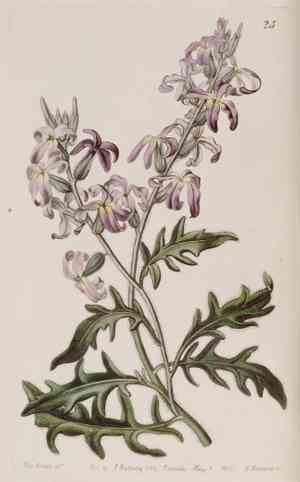
Night-scented stock (Matthiola longipetala)
Also known as: Evening-scented stock, Night-scented violet, Evening stock
A plant from the genus Matthiola that originates from Eurasia and releases a delightful fragrance in the evening and night is known for its four-petaled flowers, which range in color from purple to white and measure about 1 to 2 cm across. It is a low-growing, highly branched plant, typically reaching a height of around 45 cm. The flowers often appear wilted during the hot daytime hours.
In This Article
Attributes of Night-scented stock
Lifespan
Annual, Biennial
Plant Type
Herb
Plant Height
30 cm
Spread
30 cm
Leaf Color
Green
Flower Size
1-2 cm
Flower Color
Purple White
Images of Night-scented stock
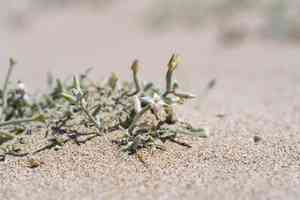
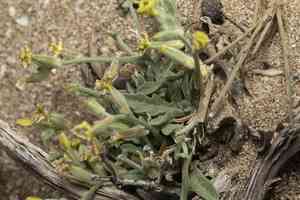
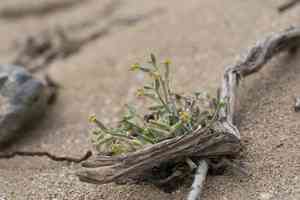
Quickly Identify Night-scented stock
1
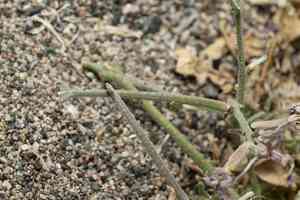
Matthiola longipetala can be identified by its lance-shaped leaves, which are grayish-green in color. The flowers are small, delicate, and can vary in color from white to purple. One of the key identification features is the strong, sweet scent emitted in the evening.
Scientific Classification of Night-scented stock
Phylum
Vascular plants
Class
Dicotyledons
Order
Brassicales
Family
Cruciferae
Genus
Stocks
Species
Night-scented stock
Planting and Growing of Night-scented stock
Care Difficulty
Easy
Watering Schedule
Every 3 days
Sunlight Requirements
Full sun
Sunshine Duration
6-10 hours
Ideal Temperature
60-75℉
Soil Type
Potting Mix, Peat Mix
Soil pH
6.5-7.5
Fertilizer Type
Balanced
Pruning Season
Spring, Summer
Pruning Area
Branches, Leaves
Pruning Frequency
Once a year
Repotting Season
Spring
Pot Type
Plastic, Ceramic
 How to Water Night-scented stock?
Matthiola longipetala requires a moderate watering regimen, meaning approximately 250 ml per session. It thrives best when the soil is allowed to dry slightly between watering, ensuring it's moist but not overly saturated. Aim to ensure the water reaches the root level but doesn't accumulate excessively.
What are the symptoms of an underwatered Night-scented stock?
›
What should I do if my Night-scented stock is not getting enough water?
›
What are the symptoms of an overwatered Night-scented stock?
›
How to save an overwatered Night-scented stock?
›
 What Are the Sunlight Requirements for Night-scented stock?
Partial sun to full sun is the ideal range for Matthiola longipetala, as it allows for robust growth and an abundance of blooms. Proper lighting ensures the plant's energy needs are fully met, enhancing both its health and beauty.
More About Sunlight Requirements Techniques→
What is the best lighting condition for Matthiola longipetala?
›
How to achieve ideal lighting for Matthiola longipetala?
›
What benefits are gained from ideal lighting for Matthiola longipetala?
›
 What Is the Ideal Temperature Range for Night-scented stock?
For Matthiola longipetala, the ideal temperature range is between 60°F and 75°F. This temperature range promotes healthy growth and blooming. It is crucial to maintain this range to ensure the plant thrives and produces the fragrant flowers it is known for. Temperatures outside of this range can affect metabolic processes and flowering cycles negatively.
 What Soil is Best for Night-scented stock?
Matthiola longipetala thrives in well-draining soil, which prevents root rot by allowing excess moisture to escape. This is crucial for the plant’s health, as it avoids waterlogged conditions that can be detrimental. The plant prefers soil enriched with organic matter, supporting growth and flowering. A nutrient-rich environment ensures that the plant has access to essential elements, resulting in vibrant blooms and healthy foliage. While drainage is vital, the soil should also retain some moisture to sustain the plant. This balance helps provide a steady water supply, contributing to consistent growth without the risk of dehydration.
 How to Fertilize Night-scented stock?
For Matthiola longipetala, use a balanced 10-10-10 liquid fertilizer at half strength during the growing season. Approximately 1/4 cup per plant is adequate.
 How to Prune Night-scented stock?
Start by identifying dead or damaged stems and leaves. Use sharp scissors to make clean cuts right above a healthy leaf node. Ensure you're pruning at a slant, which helps water runoff, preventing rot. Continue by thinning out overcrowded stems to enhance airflow, ensuring that the plant gets good sunlight exposure. When pruning, remove any flowering stems back to where they join a main stem or branch. This helps redirect the plant's energy towards new growth and potentially leads to more abundant flowering in the future.
More About Pruning Techniques→
 How to Propagate Night-scented stock plant?
1
To start the propagation of Matthiola longipetala, fill the seed tray with a well-draining potting mix, making sure it is evenly spread to facilitate uniform germination and growth of the seedlings.
2
Scatter the seeds evenly across the soil surface and gently press them into the soil. Avoid burying the seeds too deep, as light exposure can aid in their germination.
3
Water the seeds lightly using a fine mist spray bottle to prevent disturbance of the seeds. Maintain consistent moisture but avoid waterlogging, which can lead to seed rot or fungal issues.
 How to Repot Night-scented stock plant?
1
Matthiola longipetala, known for its beautiful fragrance, signals the need for repotting when its roots start to peep out from the drainage holes or the soil seems to dry out too rapidly. A good time to repot is during the active growing seasons of spring or summer when the plant can quickly recover from the stress of repotting.
2
Selecting the correct pot for Matthiola longipetala is crucial. Opt for a pot that is only slightly larger than the current one, preferably with drainage holes to prevent waterlogging. This helps in promoting healthy root development and avoids the accumulation of excess moisture, which can lead to root rot.
3
A well-draining potting mix is ideal for Matthiola longipetala. It should be light and airy to ensure that the roots have access to oxygen and don't remain soggy. Incorporating perlite or sand can enhance the drainage capacity, thereby protecting the plant from diseases related to overwatering.



