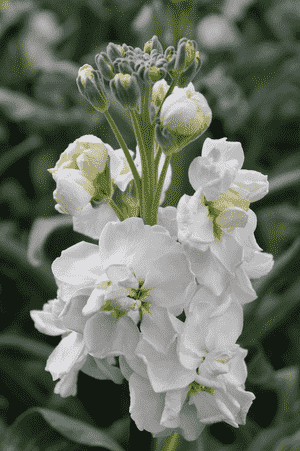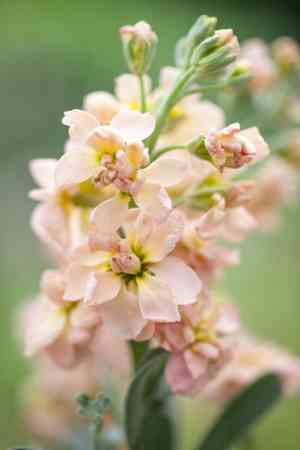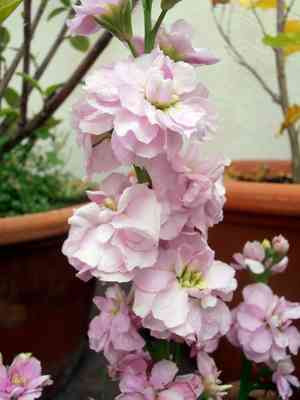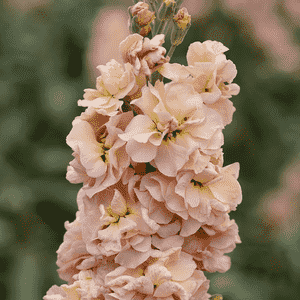
Tenweeks stock(Matthiola incana)

Tenweeks stock (Matthiola incana)

Also known as: Brompton stock, Gilli-flower

Brompton Matthiola incana, a flowering plant native to Southern Europe, is widely cultivated for its ornamental value and is a popular choice in cut flower arrangements. Its colorful, fragrant blooms make it a favorite for enhancing garden aesthetics and adding charm to floral displays.

Attributes of Tenweeks stock

Lifespan
Perennial, Annual, Biennial
Plant Type
Herb
Plant Height
30 cm to 60 cm
Spread
30 cm
Leaf Color
Green Gray Silver
Flower Size
2 cm
Flower Color
White Pink Purple Red Yellow Orange Violet

PlantJoy - Identify plants with a snap

Identify and diagnose plants, get toxicity alerts, and explore safety guides for all types of fungi.

Try for Free

Images of Tenweeks stock

Tenweeks stock(Matthiola incana)

Quickly Identify Tenweeks stock

1
Hairy, gray-green oval leaves up to 4 inches (10 cm) long.
2
Fragrant blooms in cream, white, lavender purple, or pink.
3
Clustered flowers with sweet scent, 1-2 inches (2.5-5 cm) wide.
4
Distinct pinnate vein pattern on leaves with central and fanning secondary veins.
5
Robust upright herb with oblong foliage favoring cool-season growth.

Scientific Classification of Tenweeks stock

Phylum
Vascular plants
Class
Dicotyledons
Order
Mustards, capers, and allies
Family
Cruciferae
Genus
Stocks
Species
Tenweeks stock

Planting and Growing of Tenweeks stock

Care Difficulty
Easy
Watering Schedule
Every 4 days
Sunlight Requirements
Full sun
Sunshine Duration
4-8 hours
Ideal Temperature
60-75℉
Soil Type
Potting Mix, Peat Mix
Soil pH
6.5-7.5
Fertilizer Type
Balanced
Pruning Season
Spring, Summer
Pruning Area
Branches, Leaves
Pruning Frequency
2 times a year
Repotting Season
Spring
Pot Type
Plastic, Ceramic

water icon How to Water Tenweeks stock?

Matthiola incana prefers consistent moisture, so aim to thoroughly soak the soil until water drains from the bottom of the pot. A good rule of thumb is to use around 500 milliliters per watering session. Ensure the soil is moist but avoid letting it become waterlogged.
What are the symptoms of an underwatered Tenweeks stock?
What should I do if my Tenweeks stock is not getting enough water?
What are the symptoms of an overwatered Tenweeks stock?
How to save an overwatered Tenweeks stock?
More About Watering Techniques

sunlight icon What Are the Sunlight Requirements for Tenweeks stock?

Sunlight Requirements: Full sun, Partial sun
Duration of light: 6-8 hours per day
Partial to full sun provides the best conditions for Matthiola incana. Adequate light leads to better flowering and a more resilient plant.
What is the best location for Matthiola incana?
How to adjust sunlight exposure effectively?
What benefits does the optimal light offer?
More About Sunlight Requirements Techniques

temperature icon What Is the Ideal Temperature Range for Tenweeks stock?

Ideal Temperature: 60 ~ 75℉
Matthiola incana, known commonly as stock, thrives best within the temperature range of 60°F to 75°F. These temperatures ensure optimal blooming and growth, mimicking the mild climates where these plants naturally occur. Consistent temperature in this range supports healthy foliage and vibrant flowers.

soil icon What Soil is Best for Tenweeks stock?

Soil type: Sandy loam, Loam, Sandy soil
Soil PH: 6.5 ~ 7.5
Matthiola incana thrives best in well-drained soil as it prevents waterlogging, which can lead to root rot. Efficient drainage ensures the roots receive adequate aeration, fostering healthier plant growth. This plant prefers soil that is rich in organic matter and nutrients. A fertile soil environment promotes vibrant blooms and sturdy stems, ensuring the plant can maintain its characteristic aromatic flowers. While prioritizing drainage, the soil should also retain some moisture to sustain the plant during dry spells. Balancing proper water retention with drainage is key to supporting the plant's hydration needs. More About Soil

fertilize icon How to Fertilize Tenweeks stock?

Fertilizer type: Balanced
When fertilizing Matthiola incana, use a balanced fertilizer diluted to half strength. During the growing season, apply about 1/2 teaspoon of liquid fertilizer per gallon of water. Be cautious not to over-fertilize as it can damage the plant. More About Fertilizing Techniques

prune icon How to Prune Tenweeks stock?

Pruning Time: Spring, Summer
Be cautious when pruning not to cut into the old, woody parts of the Matthiola incana, as this can inhibit growth. These areas do not typically produce new shoots quickly, if at all, potentially reducing the plant's vigor. Always disinfect your pruning tools before and after use on each plant to prevent the spread of disease. Use a solution of one part bleach to nine parts water, or alcohol wipes, to ensure your equipment is sanitary and safe for use. More About Pruning Techniques

propagate icon How to Propagate Tenweeks stock plant?

Propagate Time: Early spring, Late spring
1
Collect healthy seeds of Matthiola incana and scatter them lightly over a seed starting tray filled with a well-draining medium. Lightly cover the seeds with soil and water gently. Maintain a consistent temperature of about 18-21°C for optimal germination.
2
Choose a healthy, non-flowering stem from the parent plant and cut a segment about 10 cm long. Remove the lower leaves, leaving just a few at the top. Dip the cut end in rooting hormone to stimulate root development.
3
Insert the prepared cutting into a pot filled with a mix of perlite and peat or a similar well-draining substrate. Ensure the cutting is stable and that at least a couple of nodes are submerged in the soil.
More About Propagating Techniques

repot icon How to Repot Tenweeks stock plant?

Repotting frequency: Every 1-2 years
1
Matthiola incana shows signs of needing repotting when its roots begin to grow out of the drainage holes, the plant appears root-bound, or growth has noticeably slowed. Spring is ideal as the plant's growth cycle kicks into full swing, allowing it to recover quickly.
2
Opt for a pot that is 1-2 inches larger in diameter than the current one, with ample drainage holes to prevent water logging. A slightly larger pot allows room for growth, encouraging healthy root development without overwhelming the plant.
3
Select a well-draining soil mix that retains some moisture but allows excess water to escape easily. This provides a balanced environment that prevents root rot and supplies essential nutrients, boosting the plant's overall health.
More About Repotting Techniques

PlantJoy - Identify plants with a snap

Find the best spots for them to optimize their health, simply using your phone.

Try for Free

Toxicity of Tenweeks stock

Is Tenweeks stock toxic to humans?

Tenweeks stock plants pose no threat without human involvement. These plants absorb lead from the soil in excessive amounts, making them effective for soil remediation but hazardous to anyone consuming stock plants cultivated in contaminated soil. Given that many gardens are bordered by roads, the accumulation of pollutants at the edges can lead to these plants containing lead. While the flowers of this plant are attractive, it should be eliminated from urban gardens where small children play. If ingested, individuals may gradually (or in some cases, more rapidly depending on quantity consumed) experience lead poisoning. Symptoms can include gastrointestinal distress, diarrhea, nausea, deteriorating neurological conditions, changes in blood composition, weakened immune response, infertility issues, and potential kidney failure.

Identify toxic plants for your safety

Learn which plants are harmful to you and your pets, and make informed choices for a safer home!

Try for Free
WARNING
The judgment on toxicity and danger is for reference only. We DO NOT GUARANTEE any accuracy of such judgment. Therefore, you SHALL NOT rely on such judgment. It is IMPORTANT TO SEEK PROFESSIONAL ADVICE in advance when necessary.
More About Toxic Techniques