German chamomile(Matricaria chamomilla)

German chamomile (Matricaria chamomilla)

Also known as: Scented mayweed, Italian camomilla

German chamomile (Matricaria chamomilla) yields a unique blue essential oil from its flowers, known for its versatile applications. It is prominently employed in cosmetics to address skin issues like irritation and inflammation. In the culinary world, it serves as a flavor enhancer in foods and beverages. This essential oil is also incorporated into various household products for its pleasant aroma. Additionally, German chamomile is popular in herbal teas, often preferred over Roman chamomile. However, individuals with sensitivities should exercise caution due to potential allergic reactions.

Attributes of German chamomile

Lifespan
Annual, Biennial
Plant Type
Herb
Plant Height
30 cm to 40 cm
Spread
25 cm to 30 cm
Leaf Color
Green
Flower Size
1.8 cm to 2.5 cm
Flower Color
White Yellow

PlantJoy - Identify plants with a snap

Identify and diagnose plants, get toxicity alerts, and explore safety guides for all types of fungi.

Try for Free

Images of German chamomile

German chamomile(Matricaria chamomilla)

Quickly Identify German chamomile

1
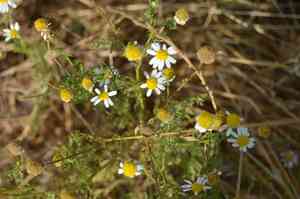
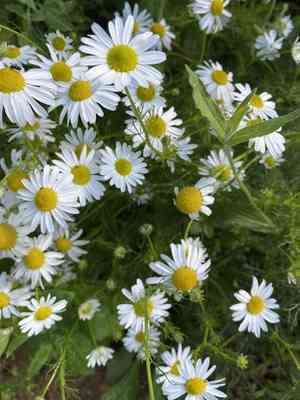
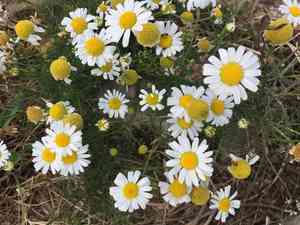
Bright white petals encircling a yellow disc distinguish the showy flowers of german chamomile.
2
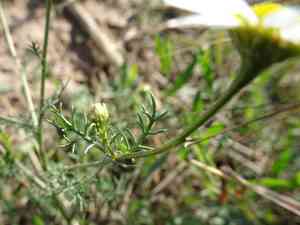
Feathery, finely divided, light green leaves with thread-like segments are key identifiers of german chamomile.

Scientific Classification of German chamomile

Phylum
Vascular plants
Class
Dicotyledons
Order
Asterales
Family
Daisy
Genus
Mayweed
Species
German chamomile

Planting and Growing of German chamomile

Care Difficulty
Easy
Watering Schedule
Every 4 days
Sunlight Requirements
Full sun
Sunshine Duration
6-8 hours
Ideal Temperature
68-77℉
Soil Type
Potting Mix, Peat Mix
Soil pH
6.5-7.5
Fertilizer Type
Balanced
Pruning Season
Spring, Summer
Pruning Area
Branches, Leaves
Pruning Frequency
2 times a year
Repotting Season
Spring
Pot Type
Plastic, Ceramic

water icon How to Water German chamomile?

Matricaria chamomilla, commonly known as chamomile, thrives with moderate watering. Ensure the soil is kept consistently moist but not waterlogged. Watering should be thorough enough to dampen the topsoil, around one to two inches deep, without letting the roots sit in standing water.
What are the symptoms of an underwatered German chamomile?
What should I do if my German chamomile is not getting enough water?
What are the symptoms of an overwatered German chamomile?
How to save an overwatered German chamomile?
More About Watering Techniques

sunlight icon What Are the Sunlight Requirements for German chamomile?

Sunlight Requirements: Full sun, Partial sun
Duration of light: 4 to 6 hours
Matricaria chamomilla prefers full or partial sun, ideally 4 to 6 hours daily. This range promotes thriving flowering, strong stem development, and increased essential oil content.
What type of light does Matricaria chamomilla prefer?
How can we optimize light for Matricaria chamomilla?
What are the benefits of ideal lighting for Matricaria chamomilla?
More About Sunlight Requirements Techniques

temperature icon What Is the Ideal Temperature Range for German chamomile?

Ideal Temperature: 68 ~ 77℉
For optimal growth, Matricaria chamomilla flourishes in a temperature range of approximately 68 to 77 degrees Fahrenheit. This range provides the plant with the warmth necessary for robust health, aiding in quick germination and vigorous flowering. Consistent temperatures within this range allow the plant to maintain physiological processes at an optimal rate, ensuring the best growth outcomes.

soil icon What Soil is Best for German chamomile?

Soil type: Loam, Sandy loam
Soil PH: 6.5 ~ 7.5
Chamomile thrives in well-draining soil which prevents waterlogging, ensuring the roots have ample access to oxygen and do not rot. This condition is crucial for maintaining healthy roots and promoting lush growth. The plant prefers soil with moderate fertility, as excessive nutrients can lead to lush foliage at the expense of flowers. A balanced nutrient profile supports optimal growth and aromatic flower production. Matricaria chamomilla does best in soil with a neutral pH, around 6.5 to 7.0. This range allows for optimal nutrient availability, ensuring the plant can absorb essential nutrients efficiently. More About Soil

fertilize icon How to Fertilize German chamomile?

Fertilizer type: Balanced
For Matricaria chamomilla, a moderate amount of fertilizer is ideal. When using liquid fertilizers, a dilution of half the recommended strength per application is advisable to avoid over-fertilization. For solid fertilizers, use roughly 25 grams per square meter, ensuring even coverage over the soil surface. More About Fertilizing Techniques

prune icon How to Prune German chamomile?

Pruning Time: Spring, Summer, Autumn, Winter
Begin by sterilizing your pruning shears to prevent disease spread. Identify any dead or damaged stems and remove them at their base. Focus on cutting back spent blooms to a point just above a leaf node to encourage new flower growth. For overgrown plants, trim back about one-third of the overall plant size to maintain its shape and encourage denser growth. More About Pruning Techniques

propagate icon How to Propagate German chamomile plant?

Propagate Time: Spring, Early spring, Late spring
1
Start by selecting a well-draining soil mix and prepare the site or containers where you'll plant. If working outdoors, ensure the soil is free of weeds and adequately aerated.
2
Scatter the chamomile seeds lightly on the prepared soil. Do not cover them with soil as they require light for germination. Gently mist the area with water to moisten the soil.
3
Carefully dig up mature chamomile plants, ensuring minimal root disruption. Divide the plant into smaller sections, making sure each section has a healthy root system before replanting them into prepared soil.
More About Propagating Techniques

repot icon How to Repot German chamomile plant?

Repotting frequency: Biennially or as needed
1
Matricaria chamomilla should be repotted when roots become visible through drainage holes or outgrow their current container. Spring and early summer are ideal times as the plant is in a growth phase. Check for signs of stunted growth or depleted soil nutrients, which can also indicate that repotting is necessary.
2
Select a pot that is only one size larger than the current one to avoid excess water retention. Ensure the pot has ample drainage holes to prevent root rot. Terracotta pots are excellent as they allow soil to breathe, but plastic pots can retain moisture better, suitable for dry climates. Choose based on your environment.
3
Opt for a well-draining sandy soil mix, which mimics Matricaria chamomilla's natural environment and prevents waterlogging. A mix with peat, perlite, and some organic matter like compost is ideal. This blend not only offers good drainage but also provides the nutrients necessary for robust growth.

PlantJoy - Identify plants with a snap

Find the best spots for them to optimize their health, simply using your phone.

Try for Free

Toxicity of German chamomile

Is German chamomile toxic to humans?

The blossoms of German chamomile may trigger a mild allergic response in certain individuals who are sensitive to flora from the daisy family (Asteraceae). Symptoms of such an allergic reaction can include an itchy, red, and inflamed rash. It is advisable to avoid consuming or topically applying German chamomile products if you have a medical condition that could be aggravated by estrogen exposure. Additionally, these products may interfere with anesthesia, so it's best not to consume or use them topically within two weeks prior to having surgery. Furthermore, German chamomile can also lead to irritation if contacted near the eyes.

Is German chamomile toxic to cat?

German chamomile is classified as having a low toxicity level for cats, potentially leading to poisoning if eaten in excessive amounts. Although the specific toxic compounds are not identified, it is crucial to understand that every part of german chamomile can induce negative reactions in cats. Following consumption, felines might display symptoms of physical distress that require careful monitoring. To safeguard the health of a cat that has taken in german chamomile, obtaining prompt veterinary assistance is essential.

Is German chamomile toxic to dog?

German chamomile is recognized as possessing mild toxic properties for dogs. Although ingesting small amounts typically does not result in serious harm, high consumption can lead to poisoning. Any part of the plant is considered toxic, making all portions potentially hazardous to dogs. Signs of poisoning may manifest as gastrointestinal disturbances, skin irritation, or more serious complications, which can vary based on the amount ingested and the individual dog's susceptibility. If you suspect your dog has ingested german chamomile and may have been poisoned, it is crucial to seek veterinary care promptly to safeguard their health and safety.

Identify toxic plants for your safety

Learn which plants are harmful to you and your pets, and make informed choices for a safer home!

Try for Free
WARNING
The judgment on toxicity and danger is for reference only. We DO NOT GUARANTEE any accuracy of such judgment. Therefore, you SHALL NOT rely on such judgment. It is IMPORTANT TO SEEK PROFESSIONAL ADVICE in advance when necessary.
More About Toxic Techniques