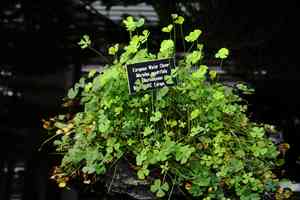
European waterclover (Marsilea quadrifolia)
Also known as: Clover fern, Water shamrock, Pepperwort
**Marsilea quadrifolia**, commonly known as European waterclover, is an aquatic fern often deemed an invasive weed in the United States. Its leaves are shaped like four-leaf clovers, giving it its distinctive name.
In This Article
Attributes of European waterclover
Lifespan
Perennial
Plant Type
Herb
Plant Height
8 cm to 15 cm
Spread
8 cm to 30 cm
Leaf Color
Green
Flower Size
N/A (Marsilea quadrifolia is a fern and does not produce flowers)
Flower Color
N/A
Images of European waterclover
Quickly Identify European waterclover
1
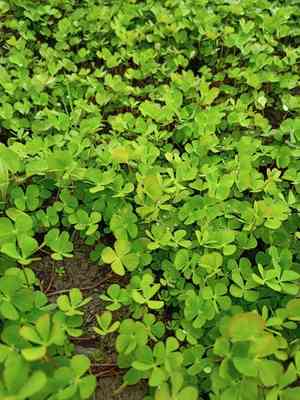
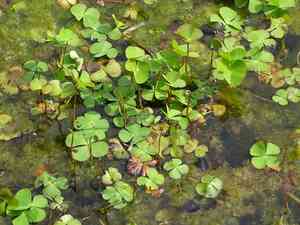
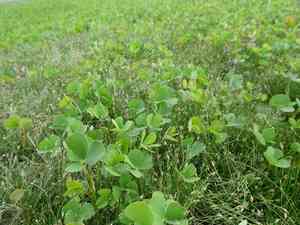
Marsilea quadrifolia is easily identified by its four-lobed leaves that resemble a four-leaf clover. The leaves are usually green and are borne on long petioles.
Scientific Classification of European waterclover
Phylum
Vascular plants
Class
Ferns
Order
Salviniales
Family
Water-clover
Genus
Water clover
Species
European waterclover
Planting and Growing of European waterclover
Care Difficulty
Easy
Watering Schedule
Every 4 days
Sunlight Requirements
Full sun
Sunshine Duration
4-8 hours
Ideal Temperature
68-77℉
Soil Type
Potting Mix, Peat Mix
Soil pH
6.5-7.5
Fertilizer Type
Balanced
Pruning Season
Spring, Summer
Pruning Area
Branches, Leaves
Pruning Frequency
2 times a year
Repotting Season
Spring
Pot Type
Plastic, Terracotta
 How to Water European waterclover?
Marsilea quadrifolia prefers consistently moist soil, but not waterlogged. Water until the top 1-2 inches of soil is damp, ensuring a balance between hydration and aeration. You can use approximately 250 ml of water each time to achieve this balance, but adjust according to the plant's growth conditions and season.
What are the symptoms of an underwatered European waterclover?
›
What should I do if my European waterclover is not getting enough water?
›
What are the symptoms of an overwatered European waterclover?
›
How to save an overwatered European waterclover?
›
 What Are the Sunlight Requirements for European waterclover?
Partial sun to full sun, ideally 4-8 hours daily, supports optimal health for Marsilea quadrifolia. Adequate light encourages strong photosynthetic activity, promoting growth and vibrant foliage.
More About Sunlight Requirements Techniques→
What are the optimal light conditions?
›
How can I provide these conditions?
›
What benefits arise from ideal lighting?
›
 What Is the Ideal Temperature Range for European waterclover?
The ideal temperature range for cultivating Marsilea quadrifolia is between 68°F and 77°F. This range allows the plant to thrive and maintain its growth rate efficiently. Temperatures within this range help ensure proper metabolism and enzymatic activities crucial for photosynthesis and nutrient uptake. Providing consistent temperatures within this range can also reduce the risk of stress and improve the overall health and appearance of the plant.
 What Soil is Best for European waterclover?
Marsilea quadrifolia thrives in soil that can retain moisture well. The presence of moisture aids its growth by providing the necessary water content that mimics its natural aquatic environment. This plant benefits from a nutrient-rich soil packed with organic matter. Nutrients are essential for its foliar development, ensuring lush and vibrant four-leaf clover-like fronds. While it needs moisture, Marsilea quadrifolia also requires good drainage to prevent waterlogging, which can lead to root rot. Proper drainage ensures that excess water is efficiently removed, maintaining optimal root health.
 How to Fertilize European waterclover?
Marsilea quadrifolia generally requires a balanced amount of nutrients to thrive. When applying liquid fertilizer, dilute the solution to one-quarter the strength recommended for typical houseplants. As for slow-release fertilizer, use a teaspoon per every 4-inch pot size, ensuring even distribution.
 How to Prune European waterclover?
Begin by inspecting the plant for any yellowing or dead leaves, which can be easily identified by their lifeless appearance. Using a pair of clean, sharp scissors or gardening shears, carefully snip these off at the base. Make sure to cut close to the stem to promote faster healing. Trim the edges of the plant by cutting back any overgrown fronds to maintain a neat, rounded shape, ensuring a balanced and symmetrical appearance. This not only enhances its visual appeal but also prevents the plant from overshadowing its neighboring companions. Use gardening shears that are properly sterilized to prevent any fungal infections. Always cut at a slight angle to allow water to shed off naturally, reducing the risk of rotting. Secateurs or small pruners work best for reaching into tighter areas of the plant, ensuring precision cuts without harming healthy growth. Clean your tools before and after pruning each plant to avoid the spread of diseases. Consider sharpening your tools periodically to make clean cuts effortlessly, reducing strain on both the plant and yourself.
More About Pruning Techniques→
 How to Propagate European waterclover plant?
1
Begin by selecting a well-draining soil with a neutral pH. Remove any weeds and debris, and gently loosen the top layer using a hoe or rake for improved aeration and nutrient absorption.
2
Sow the Marsilea quadrifolia seeds evenly over the soil's surface, pressing them lightly into the soil but not covering completely. Water the seeds gently to ensure good contact with the soil.
3
Separate healthy rhizomes from the parent plant ensuring each section has at least two growth points. Plant the divisions with the growth points slightly above soil level, and water immediately.
 How to Repot European waterclover plant?
1
Marsilea quadrifolia should be repotted when you notice its growth becoming stagnant or roots protruding through the drainage holes. This usually occurs every 2-3 years, indicating the plant has outgrown its current pot. Spring and early summer are ideal, as the plant is in its active growing phase and can recover more swiftly from repotting.
2
Select a pot that is only slightly larger than its current one to avoid overwatering issues. Ensure it has sufficient drainage holes to let excess water escape, preventing root rot. The material of the pot can be ceramic or plastic, each offering good moisture and temperature control. A pot too large may lead to waterlogged soil, whereas a well-fitted pot supports robust growth.
3
Opt for a rich, loamy soil mix with good drainage capability to support the water fern's unique needs. The soil should maintain some moisture without becoming waterlogged. A well-aerated soil promotes root health, providing necessary nutrients and supporting the plant's aquatic tendencies. Peat and sand mixtures can enhance drainage, emulating natural growth conditions.



