Marchantia (Marchantia) (Marchantia)
Also known as: Liverwort
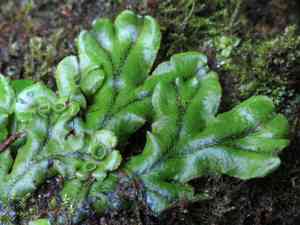
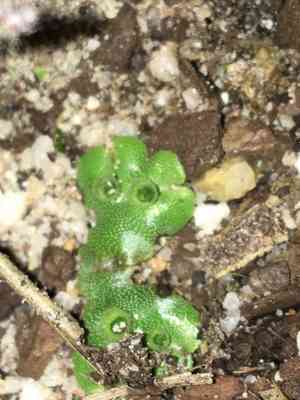
Marchantia liverworts, found in moist environments worldwide from the Arctic to the tropics, are known for their distinctive gemma cups. These cup-like structures facilitate asexual reproduction by producing gemmae, which can develop into new plants. Additionally, Marchantia can reproduce sexually.
In This Article
Attributes of Marchantia (Marchantia)
Lifespan
Perennial
Plant Height
0.1-0.5 cm
Spread
N/A
Leaf Color
Green
Flower Size
N/A
Flower Color
N/A
Images of Marchantia (Marchantia)
Quickly Identify Marchantia (Marchantia)
1
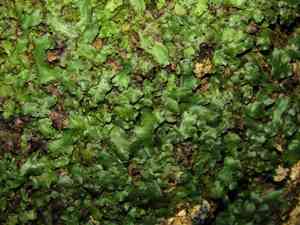
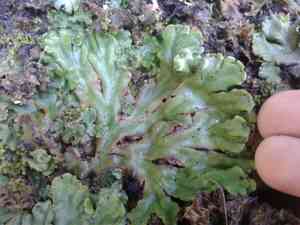
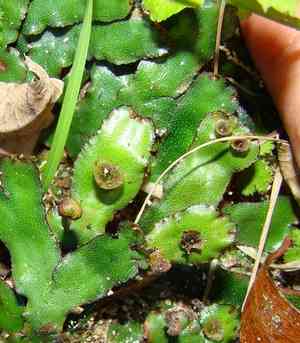
Marchantia can be identified by its distinctive, lobed thallus with a flat, green surface covered in tiny pores. The thallus often has a diamond-shaped pattern due to air chambers below the surface.
Scientific Classification of Marchantia (Marchantia)
Phylum
Marchantiophyta
Class
Marchantiopsida
Order
Marchantiales
Family
Marchantiaceae
Genus
Marchantia
Planting and Growing of Marchantia (Marchantia)
Care Difficulty
Easy
Watering Schedule
Every 2 days
Sunlight Requirements
Full shade
Sunshine Duration
4-6 hours
Ideal Temperature
60-75℉
Soil Type
Potting Mix, Peat Mix
Soil pH
6.5-7.5
Fertilizer Type
Balanced
Pruning Season
Spring, Summer
Pruning Area
Branches, Leaves
Pruning Frequency
2 times a year
Repotting Season
Spring
Pot Type
Plastic, Ceramic
 How to Water Marchantia (Marchantia)?
Marchantia prefers to be evenly moist, but never waterlogged. Water it with around 100ml each time, ensuring the substrate remains moist but not soggy. It thrives in a continuously damp environment, similar to its natural habitat.
What are the symptoms of an underwatered Marchantia (Marchantia)?
›
What should I do if my Marchantia (Marchantia) is not getting enough water?
›
What are the symptoms of an overwatered Marchantia (Marchantia)?
›
How to save an overwatered Marchantia (Marchantia)?
›
 What Are the Sunlight Requirements for Marchantia (Marchantia)?
Marchantia prefers full shade to partial sun, thriving when it receives dappled light reminiscent of its natural habitat. Such conditions promote lush growth and optimal health without the stress of direct exposure.
What is the best lighting for Marchantia?
›
How to ensure ideal lighting conditions indoors?
›
What are the benefits of achieving ideal light conditions for Marchantia?
›
 What Is the Ideal Temperature Range for Marchantia (Marchantia)?
The ideal temperature range for Marchantia is between 60°F and 75°F. Within this range, the plant experiences optimal growth conditions, leading to robust and healthy development. Such temperatures mimic its natural habitat, providing the warmth necessary for efficient photosynthesis and metabolism.
 What Soil is Best for Marchantia (Marchantia)?
Marchantia thrives best in soils that retain moisture well. This requirement ensures that the plant remains hydrated without requiring constant watering, mimicking its natural habitat in damp environments. To grow optimally, Marchantia demands nutrient-rich soil. High levels of organic matter provide essential nutrients that promote robust growth and vibrant green color in the plant. Despite needing moisture-retentive soil, Marchantia also requires good drainage to prevent root rot. This balance between moisture and drainage is crucial for maintaining plant health.
 How to Fertilize Marchantia (Marchantia)?
Marchantia, being a bryophyte, does not require heavy fertilization like many other plants. A small amount of diluted liquid fertilizer is all it needs. When using a liquid fertilizer, dilute it to half the strength recommended for other houseplants to avoid overwhelming the plant. Slow-release fertilizers can be used sparingly, ensuring they are low in nitrogen, phosphorus, and potassium.
 How to Prune Marchantia (Marchantia)?
When pruning Marchantia, respect its natural growth pattern. Over-pruning can disturb its ecosystem and may impact the plant's ability to photosynthesize efficiently. Remember that removing too much at once can expose Marchantia to stress, particularly if the environmental conditions are not ideal, such as during heatwaves or cold snaps.
 How to Propagate Marchantia (Marchantia) plant?
1
Begin by gently removing the Marchantia from its substrate. Ensure minimal disturbance to the root structure to facilitate an easier division and reduce plant stress.
2
Using a sharp knife, carefully divide the plant into sections. Ensure each section has a sufficient amount of rhizoids and thallus to promote new growth. This helps in the establishment of new plants.
3
Replant each division into a separate pot or designated garden area. Ensure the new locations have the appropriate substrate that mimics their natural habitat for optimal growth conditions.
 How to Repot Marchantia (Marchantia) plant?
1
The ideal time to repot Marchantia is when you notice the plant's growth slowing or roots poking through the drainage holes. Spring and summer are optimal seasons for repotting as the plant is actively growing, allowing it to establish itself more quickly in the new pot. Ensure the soil remains moist but not waterlogged during this transition.
2
Select a pot that's slightly larger than the current one, with good drainage holes to prevent waterlogging—a common cause of root rot in Marchantia. A ceramic or clay pot can offer the stability this plant needs. The right pot enhances aeration and drainage, crucial for Marchantia's health.
3
Opt for a moist, loamy substrate that retains moisture but drains well. This type of soil provides the perfect balance for Marchantia, ensuring that the roots can access both air and water. It supports the lush growth typical of liverworts by mimicking their natural habitat.

