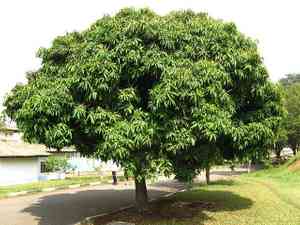
Mango tree (Mangifera indica)
Also known as: Indian mango
The mango tree, native to the Indian subcontinent, is renowned for its tropical fruit, which is the national fruit of India, Pakistan, and the Philippines. Besides bearing mangoes, the tree's wood becomes valuable for crafting musical instruments once its fruiting period concludes.
In This Article
Attributes of Mango tree
Lifespan
Perennial
Plant Type
Tree
Plant Height
10 m to 20 m
Spread
6 m
Leaf Color
Green
Flower Size
1.5 mm
Flower Color
White Yellow Red
Images of Mango tree
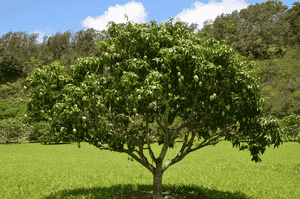
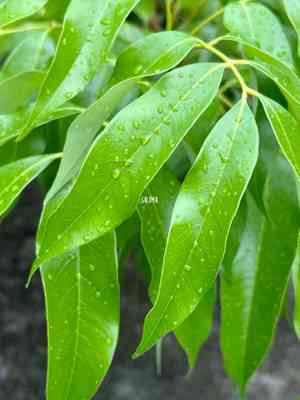
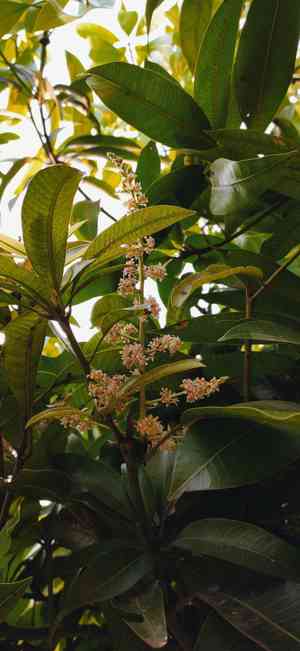
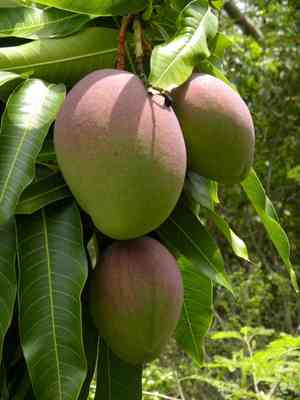
Quickly Identify Mango tree
1
The mango tree can be identified by its dense, evergreen foliage and large, oval-shaped leaves. Fruits are typically oval to round, with smooth skin that turns yellow, orange, or red when ripe.
Scientific Classification of Mango tree
Phylum
Vascular plants
Class
Dicotyledons
Order
Maples, mangos, mahogany, citrus, and allies
Family
Cashew
Genus
Mangifera
Species
Mango tree
Planting and Growing of Mango tree
Care Difficulty
Hard
Watering Schedule
Every 4 days
Sunlight Requirements
Full sun
Sunshine Duration
6-10 hours
Ideal Temperature
77-86℉
Soil Type
Potting Mix, Peat Mix
Soil pH
6.5-7.5
Fertilizer Type
Balanced
Pruning Season
Spring, Summer
Pruning Area
Branches, Leaves
Pruning Frequency
2 times a year
Repotting Season
Spring
Pot Type
Plastic, Ceramic
 How to Water Mango tree?
Mangifera indica, commonly known as the mango tree, requires deep watering. The roots should be thoroughly soaked but not waterlogged; about 1000 ml per session is ideal. Always allow the soil to dry out slightly between waterings, ensuring the roots have access to moisture without causing root rot.
More About Watering Techniques→
What are the symptoms of an underwatered Mango tree?
›
What should I do if my Mango tree is not getting enough water?
›
What are the symptoms of an overwatered Mango tree?
›
How to save an overwatered Mango tree?
›
 What Are the Sunlight Requirements for Mango tree?
Mangifera indica ideally thrives in an environment with full sun throughout the day, which strongly enhances its growth and fruit production. Adequate sunlight exposure ensures robust development and bountiful mangos.
More About Sunlight Requirements Techniques→
What is the ideal lighting for Mangifera indica?
›
How to ensure Mangifera indica receives ideal lighting?
›
Benefits of ideal sunlight for Mangifera indica?
›
 What Is the Ideal Temperature Range for Mango tree?
For optimal growth, Mangifera indica thrives in temperatures between 77°F and 86°F. This range provides the necessary warmth for the plant to conduct photosynthesis efficiently, support enzymatic activities, and promote cell expansion. Staying within this temperature range encourages robust growth and fruit production.
 What Soil is Best for Mango tree?
Mangifera indica thrives in nutrient-rich soil that provides essential minerals and nutrients. Such soil ensures strong growth and enhances fruit production by supplying the necessary elements for plant metabolism. Proper drainage is crucial to prevent root rot and other fungal diseases. A well-drained soil supports root oxygenation, preventing waterlogging and allowing roots to absorb nutrients effectively. Maintaining a consistently moist but not overly saturated soil mimics the plant's natural tropical habitat, preventing stress and promoting continuous growth and fruiting.
More About Soil→
 How to Fertilize Mango tree?
For Mangifera indica, a balanced fertilizer, like 10-10-10 NPK, is recommended. Apply 1-2 pounds per year for young trees. For mature trees, increase gradually up to 5-6 pounds annually. Ensure even distribution around the root zone.
More About Fertilizing Techniques→
 How to Prune Mango tree?
Begin by locating branches that appear dead, diseased, or damaged. These branches are usually darker and brittle compared to healthy ones. Pruning them away ensures that your mango tree remains robust and less susceptible to infections. Look for suckers emerging from the roots and water sprouts growing from the trunk or main branches. These shoots divert energy from the tree's primary growth and fruiting processes; thus, they should be removed to enhance the tree's overall vitality. Trim branches to maintain a well-balanced canopy that allows air and sunlight to penetrate. This will improve overall tree health and fruit ripening. Trim lateral branches to encourage horizontal growth, fostering a robust frame capable of supporting future fruit loads.
More About Pruning Techniques→
 How to Propagate Mango tree plant?
1
To propagate using seeds, extract seeds from ripe mango fruits. Soak the seeds in water for 24 hours before planting them in well-draining soil. Maintain warmth and moisture during germination.
2
Select healthy rootstock and scion for grafting. Use a sharp knife to form matching cuts, join them securely, and wrap them with grafting tape. Keep the graft stable until it heals.
3
Once seeds germinate, ensure they are in a sunny spot to promote strong growth. Gradually acclimate young plants to outdoor conditions before planting them in the garden.
 How to Repot Mango tree plant?
1
Repot your Mangifera indica when you notice roots coming out of the drainage holes or the growth has slowed down considerably. These signs typically indicate that the roots have outgrown their space and are in need of a larger pot for continued healthy growth.
2
Select a pot that is one size larger than the current one, and ensure it has adequate drainage holes. A pot made from materials like terracotta can help manage soil moisture and prevent root rot, offering longevity and a stable growing environment.
3
Opt for a well-draining loamy soil mix specifically for tropical plants. This type of soil balances moisture retention with drainage, preventing waterlogging while still providing ample nutrients to support lush growth.
Learn More About Mango tree Diseases
Anthracnose
Bacterial Leaf Spot
Bacterial Soft Rot
Bacterial Wilt
Chemical Injury
Crown Gall
Cyst Nematode
Damping-off
Downy Mildew
Drought Stress
Fusarium Wilt
Gray Mold
Leaf Curl
Leaf Spot
Mosaic
Nutrient Deficiency
Nutrient Toxicity
Powdery Mildew
Root Rot
Root-knot Nematode
Sooty Mold
Spider Mites
Temperature Stress
Thrips Damage
White Mold



