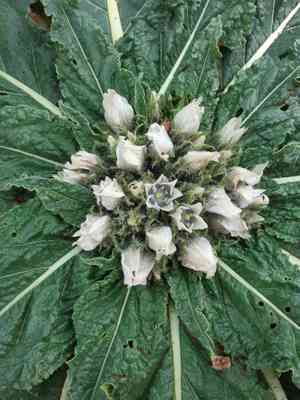
Mandrakes (Mandragora) (Mandragora)
Also known as: mandrake, Satan's apple
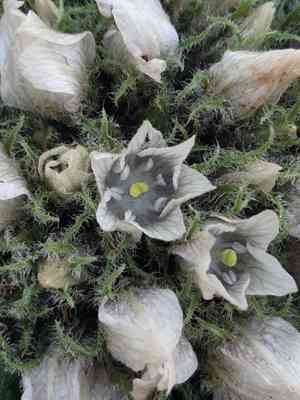
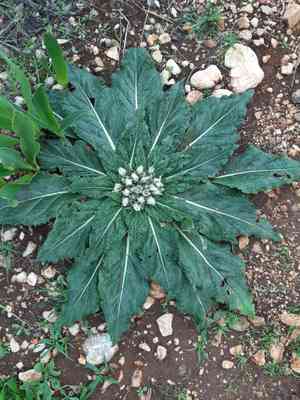
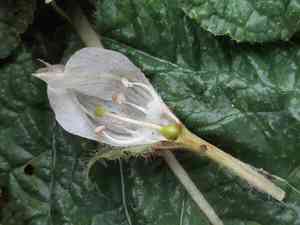
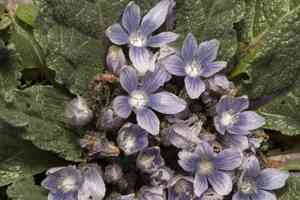
Mandrakes are perennial plants known for their distinctive, often human-shaped, thick taproots. Their stems are typically very short or nearly absent, with leaves emerging in a basal rosette. The flowers can appear on short stalks and range in color from white to violet, each with five-part whorls. Both sepals and petals form a lobed bell shape. Post-pollination, the plant produces yellow or orange berries.
There are three to five recognized species of mandrakes, mainly found in the Mediterranean region and parts of Southwest Asia.
In This Article
Attributes of Mandrakes (Mandragora)
Lifespan
Biennial
Plant Height
10-30 cm
Spread
N/A
Leaf Color
Dark green
Flower Size
2-4 cm
Flower Color
Purple, blue, greenish-white
Images of Mandrakes (Mandragora)
Quickly Identify Mandrakes (Mandragora)
1
Mandrake plants can be identified by their rosette of broad, dark green leaves and their thick, forked root. They bear bell-shaped flowers, which can be purple, blue, or greenish-white. The fruit is a berry that turns yellow or orange when ripe.
Scientific Classification of Mandrakes (Mandragora)
Phylum
Magnoliophyta
Class
Magnoliopsida
Order
Solanales
Family
Solanaceae
Genus
Mandragora
Planting and Growing of Mandrakes (Mandragora)
Care Difficulty
Hard
Watering Schedule
Every 2 days
Sunlight Requirements
Partial sun
Sunshine Duration
4-6 hours
Ideal Temperature
60-75℉
Soil Type
Potting Mix, Peat Mix
Soil pH
6.5-7.5
Fertilizer Type
Balanced
Pruning Season
Spring, Summer
Pruning Area
Branches, Leaves
Pruning Frequency
2 times a year
Repotting Season
Spring
Pot Type
Plastic, Ceramic
 How to Water Mandrakes (Mandragora)?
Mandragora prefers its soil to be kept consistently moist but not soggy. When watering, aim for about 250 ml each time, ensuring that the water reaches the roots without waterlogging the plant. The goal is to allow natural drainage to prevent root rot.
What are the symptoms of an underwatered Mandrakes (Mandragora)?
›
What should I do if my Mandrakes (Mandragora) is not getting enough water?
›
What are the symptoms of an overwatered Mandrakes (Mandragora)?
›
How to save an overwatered Mandrakes (Mandragora)?
›
 What Are the Sunlight Requirements for Mandrakes (Mandragora)?
Mandragora ideally requires partial sun to full shade conditions to maintain its health. This balance helps achieve optimal photosynthesis while preventing stress from excessive light exposure.
What level of sunlight suits Mandragora best?
›
What are ways to achieve ideal lighting for Mandragora?
›
What benefits does Mandragora gain from ideal lighting?
›
 What Is the Ideal Temperature Range for Mandrakes (Mandragora)?
The ideal temperature range for Mandragora is crucial because it ensures optimal growth and development. Around 60°F to 75°F promotes robust foliage and minimizes stress, allowing the plant to thrive and achieve its full potential.
 What Soil is Best for Mandrakes (Mandragora)?
Mandragora thrives in well-drained soil. This type of soil prevents waterlogging, which can lead to root rot, thereby supporting the plant's healthy growth and longevity. Having a nutrient-rich soil ensures that Mandragora receives essential minerals for nourishment. This rich composition promotes vibrant leaf and fruit development. The soil should retain adequate moisture without becoming overly soggy. Moderate moisture supports consistent water availability, essential for the plant's metabolic activities.
 How to Fertilize Mandrakes (Mandragora)?
Mandragora requires moderate fertilization. For liquid fertilizers, it is advisable to dilute them to half the recommended strength. With slow-release fertilizers, use only a small amount around the base of the plant to avoid nutrient burn.
 How to Prune Mandrakes (Mandragora)?
Inspect your Mandragora carefully to identify any leaves that are diseased or naturally at the end of their lifecycle. Gently prune these parts to encourage new growth and help the plant channel its resources efficiently. Mandragora can grow unruly if left unattended. Regularly cut back overgrown stems to maintain your desired plant size and shape, allowing for better air circulation and light penetration, promoting overall health.
 How to Propagate Mandrakes (Mandragora) plant?
1
Use well-draining potting soil to fill your seed trays or pots. It ensures proper aeration and water drainage, key factors for successful mandragora seed germination.
2
Sow mandragora seeds on the soil surface, then gently press them down without covering them too deeply. This ensures they receive enough light and humidity to germinate.
3
Carefully cut a section of the root using a clean, sharp knife, then plant it horizontally into well-prepared soil. Pay attention to not damage the root system as it may affect the plant's growth.
 How to Repot Mandrakes (Mandragora) plant?
1
Mandragora plants need repotting when roots begin poking out of the drainage holes or when the soil becomes oversaturated and compacts easily. During spring and autumn, the plant is in a phase of growth transition, making it the best time to move to a new pot.
2
Select a pot that is not excessively large. The pot should have adequate drainage holes to prevent waterlogging. Terra cotta pots are ideal, as they are breathable and help in regulating soil moisture, thus reducing the risk of root rot.
3
Opt for a soil mix that is sandy and perlite-enriched to enhance drainage. The chosen soil should replicate the plant's native habitat, which is usually arid and ensures that roots do not sit in water. This prevents root decay and promotes healthy growth.
Toxicity
Ingestion, Skin contact
WARNING
The judgment on toxicity and danger is for reference only. We DO NOT GUARANTEE any accuracy of such judgment. Therefore, you SHALL NOT rely on such judgment. It is IMPORTANT TO SEEK PROFESSIONAL ADVICE in advance when necessary.
Learn More About Mandrakes (Mandragora) Diseases
Anthracnose
Bacterial Leaf Spot
Bacterial Soft Rot
Bacterial Wilt
Crown Gall
Cyst Nematode
Damping-off
Downy Mildew
Drought Stress
Fusarium Wilt
Gray Mold
Leaf Curl
Leaf Spot
Mosaic
Nutrient Deficiency
Nutrient Toxicity
Powdery Mildew
Root Rot
Root-knot Nematode
Rusts
Sooty Mold
Spider Mites
Temperature Stress
Thrips Damage
White Mold
Chemical Injury

