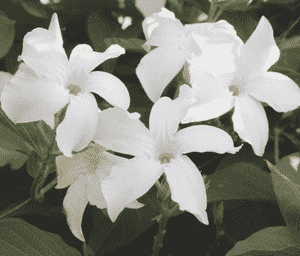
Chilean jasmine (Mandevilla laxa)
Also known as: Chilean Jasmine, Climbing Mandevilla
Chilean jasmine (Mandevilla laxa) is a flowering plant species that grows best in full sunlight and well-drained soil. Chilean jasmine is native to Chile and Argentina. This species produces masses of heavily-scented white flowers in the summer months, which smell like vanilla.
Attributes of Chilean jasmine
Images of Chilean jasmine

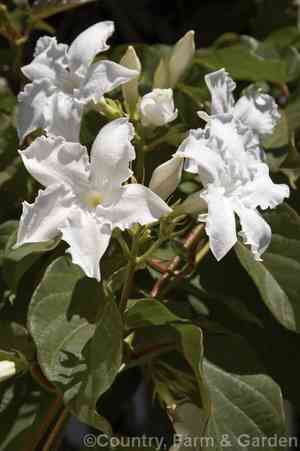
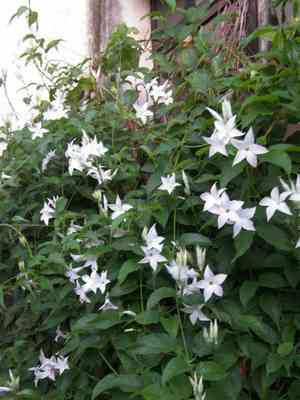

Quickly Identify Chilean jasmine
Scientific Classification of Chilean jasmine
Toxicity of Chilean jasmine
Is Chilean jasmine toxic to humans?
Chilean jasmine presents a moderate toxicity risk to humans, primarily due to allergic responses and poisoning resulting from ingestion. Interaction with the plant's sap may cause allergic skin reactions, so it is advisable to exercise caution while handling it. The complete plant is regarded as toxic when ingested, with saponins being the toxic compounds responsible for its harmful effects. Symptoms associated with poisoning from Chilean jasmine can encompass gastrointestinal issues, including nausea, vomiting, and diarrhea. It is crucial to recognize the potential for moderate toxicity and allergic reactions to avert unintentional poisoning.
Is Chilean jasmine toxic to cat?
Chilean jasmine presents a moderate level of toxicity risk to felines. Cats may experience poisoning through contact with the plant's sap, which can lead to allergic reactions, or by consuming any part of the plant. Those that have interacted with or ingested chilean jasmine may display signs of physical discomfort and illness. The toxic compound responsible for these adverse effects has been identified as saponins. To avoid the risk of poisoning, cat owners are advised to keep their pets away from chilean jasmine. If poisoning occurs, it is crucial to seek immediate veterinary assistance to ensure the health and well-being of the affected feline.
Is Chilean jasmine toxic to dog?
Chilean jasmine presents a moderate toxicity risk for dogs. Interaction with this plant can occur in two main ways: through skin contact with its sap, which may trigger allergic reactions, and through the ingestion of any part of the plant, which is considered toxic. Dogs that either touch or consume chilean jasmine may show signs such as vomiting, diarrhea, excessive drooling, and potential dermatitis as a result of sap exposure. The presence of saponins in chilean jasmine is responsible for its toxic effects when dogs ingest it. It is essential for dog owners to remain cautious and ensure their pets do not interact with or eat any part of chilean jasmine. If there is a suspicion that a dog has ingested chilean jasmine, seeking immediate veterinary assistance is vital.

