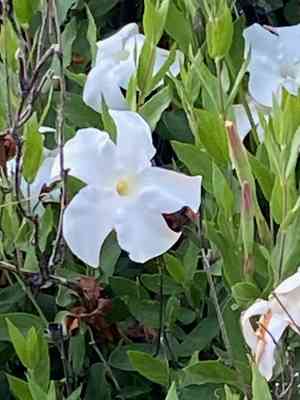
Huachuca mountain rocktrumpet (Mandevilla brachysiphon)
Also known as: Rock Trumpet
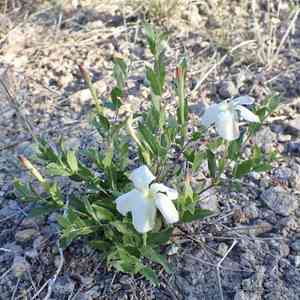
The Huachuca Mountain Rocktrumpet is an eye-catching tropical vine known for its trumpet-shaped flowers in pink or white hues, set against lush, glossy green foliage. This climber flourishes on trellises or other supports, showcasing its decorative appeal. The plant's short tubular flowers, characteristic of the 'brachysiphon' species, indicate adaptations to particular pollinators. While it thrives in suitable conditions, it does need protection from cold weather to maintain its vitality.
In This Article
Attributes of Huachuca mountain rocktrumpet
Lifespan
Perennial
Plant Type
Vine
Plant Height
2-5 meters
Spread
Variable, depending on support structure
Leaf Color
Dark Green
Flower Size
5-10 centimeters
Flower Color
Pink, Red, White
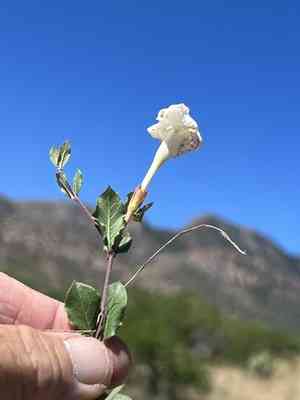
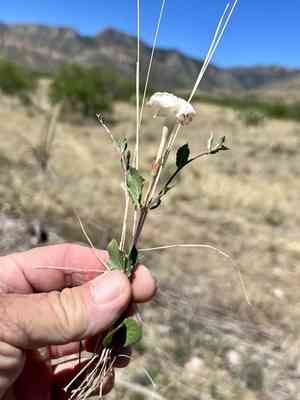
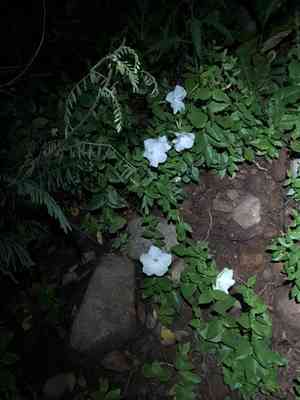
Images of Huachuca mountain rocktrumpet
Quickly Identify Huachuca mountain rocktrumpet
1
Look for large, trumpet-shaped flowers, typically in shades of pink, red, or white. The leaves are dark green, glossy, and oval-shaped. The plant has a vining growth habit and can be encouraged to climb on structures.
Scientific Classification of Huachuca mountain rocktrumpet
Phylum
Vascular plants
Class
Dicotyledons
Order
Gentianales
Family
Dogbane
Genus
Rocktrumpets
Species
Huachuca mountain rocktrumpet
Planting and Growing of Huachuca mountain rocktrumpet
Care Difficulty
Moderate
Watering Schedule
Every 4 days
Sunlight Requirements
Full sun
Sunshine Duration
4-8 hours
Ideal Temperature
70-80℉
Soil Type
Potting Mix, Peat Mix
Soil pH
6.5-7.5
Fertilizer Type
Balanced
Pruning Season
Spring, Summer
Pruning Area
Branches, Leaves
Pruning Frequency
2 times a year
Repotting Season
Spring
Pot Type
Plastic, Ceramic
 How to Water Huachuca mountain rocktrumpet?
The amount of water for Mandevilla brachysiphon should be around 500 ml per watering session. It’s crucial to water the plant until the water drains out from the bottom of the pot. This ensures that the soil is evenly moist, reaching the roots without causing waterlogging.
What are the symptoms of an underwatered Huachuca mountain rocktrumpet?
›
What should I do if my Huachuca mountain rocktrumpet is not getting enough water?
›
What are the symptoms of an overwatered Huachuca mountain rocktrumpet?
›
How to save an overwatered Huachuca mountain rocktrumpet?
›
 What Are the Sunlight Requirements for Huachuca mountain rocktrumpet?
Mandevilla brachysiphon thrives best under conditions providing full to partial sun exposure, empowering energetic growth and profuse flowering. Access to ideal light fuels photosynthesis, promoting lush foliage and resplendent blooms, defining its aesthetic hallmark.
Optimal Sunlight Duration
›
Sunlight Quality
›
Seasonal Light Adjustments
›
 What Is the Ideal Temperature Range for Huachuca mountain rocktrumpet?
The ideal temperature range for Mandevilla brachysiphon is between 70 and 80 degrees Fahrenheit. This range ensures optimal growth and flowering by providing a warm environment that this tropical plant naturally thrives in. Maintaining this temperature range plays a vital role in mimicking the plant's native habitat, promoting its overall health and vigor.
 What Soil is Best for Huachuca mountain rocktrumpet?
Mandevilla brachysiphon thrives in well-drained soil that prevents water from pooling around its roots. This characteristic enhances root aeration and minimizes the risk of root rot, ensuring healthier plant growth. The plant benefits from soil rich in organic matter, providing essential nutrients that promote robust growth and vibrant flowering. Such nutrient density supports overall plant vigor and resilience. The soil should retain enough moisture to keep the plant hydrated without becoming waterlogged. This balance of moisture helps the plant endure dry spells while preventing overwatering damage.
 How to Fertilize Huachuca mountain rocktrumpet?
For Mandevilla brachysiphon, it's crucial to use a balanced fertilizer, preferably 10-10-10 or similar. Use 1/4 teaspoon of liquid fertilizer per gallon of water. Ensure soil is moist before fertilizing to avoid burning the roots.
 How to Prune Huachuca mountain rocktrumpet?
Start by removing any dead or diseased branches. Cut just above a leaf node at a 45-degree angle to support healthy regrowth. Focus on promoting a bushy structure by trimming back long, unruly vines. Shape your Mandevilla by snipping strategically to encourage it to fill out rather than grow taller. This involves cutting back to a node that faces the direction you wish new growth to take.
More About Pruning Techniques→
 How to Propagate Huachuca mountain rocktrumpet plant?
1
Choose healthy stems from the Mandevilla brachysiphon that are free from disease. Stems should be around 4-6 inches long with a few leaves attached.
2
Remove the lower leaves of the stem to reveal nodes where roots will form. Dip the cut end in rooting hormone to enhance root development.
3
Insert the prepared cutting into a pot filled with a well-draining soil mix. Ensure the nodes are buried beneath the soil surface for optimal rooting.
 How to Repot Huachuca mountain rocktrumpet plant?
1
Mandevilla brachysiphon should be repotted when you notice roots emerging from the drainage holes or the soil is compacted and waterlogged. An annual assessment in early spring will help you decide if your plant needs a new home.
2
Select a pot that is 1-2 inches larger in diameter than the current one. Ensure it has good drainage holes to prevent root rot by allowing excess water to escape. A slightly larger pot helps accommodate root growth, ensuring the vine has ample space to expand.
3
Opt for a well-draining potting mix, ideally one meant for tropical plants or those containing perlite or orchid bark. This mixture ensures the roots are well-aerated and reduces the risk of water accumulation that can cause rotting.
Toxicity
Ingestion, Contact with Sap
WARNING
The judgment on toxicity and danger is for reference only. We DO NOT GUARANTEE any accuracy of such judgment. Therefore, you SHALL NOT rely on such judgment. It is IMPORTANT TO SEEK PROFESSIONAL ADVICE in advance when necessary.
Learn More About Huachuca mountain rocktrumpet Diseases
Anthracnose
Bacterial Leaf Spot
Bacterial Soft Rot
Bacterial Wilt
Black Spot
Chemical Injury
Damping-off
Downy Mildew
Drought Stress
Fusarium Wilt
Gray Mold
Leaf Curl
Leaf Spot
Mosaic
Nutrient Deficiency
Nutrient Toxicity
Powdery Mildew
Root Rot
Root-knot Nematode
Rusts
Sooty Mold
Spider Mites
Temperature Stress
Thrips Damage
White Mold



