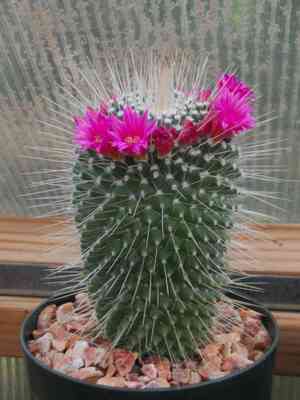
Spiny pincushion cactus (Mammillaria spinosissima)
Also known as: Red-headed Irishman, Spiny Pincushion Cactus
Spiny pincushion cactus (Mammillaria spinosissima) is a cactus that can grow to be 41 cm tall. Spiny pincushion cactus is named for its shape. It is short and squat with a shape similar to a pin cushion. It grows in tropical dry forests and deserts and prefers rocky or sandy stone soils.
In This Article
Attributes of Spiny pincushion cactus
Lifespan
Perennial
Plant Type
Succulent, Shrub
Plant Height
30 cm
Spread
6 cm to 10 cm
Leaf Color
N/A (cacti do not have traditional leaves)
Flower Size
2 cm
Flower Color
Pink Purple
Images of Spiny pincushion cactus
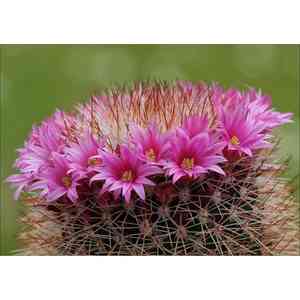
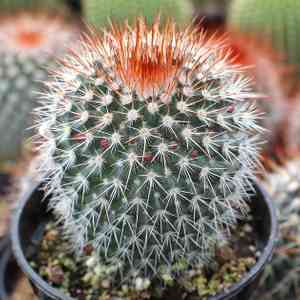
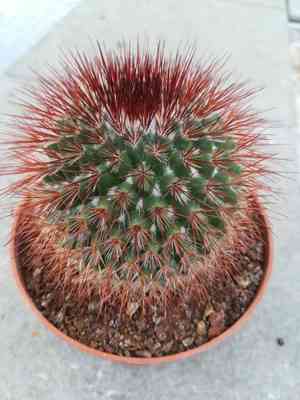
Quickly Identify Spiny pincushion cactus
1
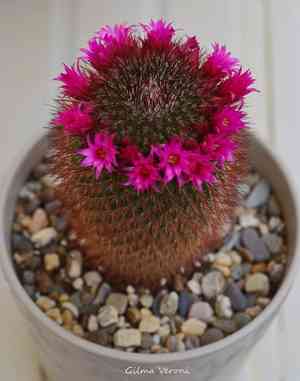
Mammillaria spinosissima can be identified by its cylindrical shape, dense covering of spines, and the characteristic ring of small, pink flowers that bloom around the top of the plant. The spines are typically red or yellow, and the cactus has a dense woolly areole at the base of each spine.
Scientific Classification of Spiny pincushion cactus
Phylum
Vascular plants
Class
Dicotyledons
Order
Caryophyllales
Family
Cactuses
Genus
Mammillaria
Species
Spiny pincushion cactus
Planting and Growing of Spiny pincushion cactus
Care Difficulty
Easy
Watering Schedule
Every 2 days
Sunlight Requirements
Full sun
Sunshine Duration
4-8 hours
Ideal Temperature
70-80℉
Soil Type
Potting Mix, Peat Mix
Soil pH
6.5-7.5
Fertilizer Type
Balanced
Pruning Season
Spring, Summer
Pruning Area
Branches, Leaves
Pruning Frequency
2 times a year
Repotting Season
Spring
Pot Type
Plastic, Ceramic
 How to Water Spiny pincushion cactus?
For Mammillaria spinosissima, watering should imitate its natural desert habitat. Aim to pour approximately 100 milliliters of water, ensuring the soil is moist but not overly saturated. Wait until the surface is dry before watering again.
More About Watering Techniques→
What are the symptoms of an underwatered Spiny pincushion cactus?
›
What should I do if my Spiny pincushion cactus is not getting enough water?
›
What are the symptoms of an overwatered Spiny pincushion cactus?
›
How to save an overwatered Spiny pincushion cactus?
›
 What Are the Sunlight Requirements for Spiny pincushion cactus?
Full sun exposure throughout the morning and some partial sun in the afternoon. Ideal lighting supports strong growth, accentuates vibrant spines, and encourages flowering.
More About Sunlight Requirements Techniques→
What is the ideal light level?
›
How to achieve the desired light conditions?
›
Benefits of obtaining optimal light?
›
 What Is the Ideal Temperature Range for Spiny pincushion cactus?
Mammillaria spinosissima thrives in temperatures between 70°F and 80°F. These conditions promote healthy growth by mimicking its natural habitat, leading to vibrant and robust plant development.
 What Soil is Best for Spiny pincushion cactus?
Mammillaria spinosissima thrives in well-draining soil to prevent root rot. A mixture with excellent drainage replicates its natural habitat, ensuring the roots receive adequate air flow and avoiding waterlogged conditions. Although it is adapted to lean soils, adding organic matter helps in providing necessary nutrients. This enhances the plant's growth and maintains its vibrant appearance while still allowing for proper drainage. Incorporating coarse sand or fine gravel helps in maintaining aeration within the soil. This prevents compaction, crucial for healthy cactus roots, and imitates the plant's native arid environments.
More About Soil→
 How to Fertilize Spiny pincushion cactus?
For Mammillaria spinosissima, the fertilizer should be applied sparingly. During the growing season, use a diluted liquid cactus fertilizer, such as 10-10-10 formula, at half the recommended strength. Apply approximately 10 ml of the diluted solution for an average-sized plant.
 How to Prune Spiny pincushion cactus?
Carefully inspect your Mammillaria spinosissima cactus for any dead or damaged spines and pads. Use sterilized scissors or a knife to cut away these parts, ensuring minimal disturbance to healthy tissue. Prune to maintain the plant’s natural shape and promote compact growth. Remove the oldest, longest spines at the base, which can become unsightly as the plant ages.
 How to Propagate Spiny pincushion cactus plant?
1
Start by sowing seeds in a shallow tray filled with a fine, well-draining substrate. Keep the soil slightly moist but never wet. Place the tray in a bright, warm area, and within a few weeks, germination should begin.
2
Cut off a healthy section of the cactus using a sterilized blade. Allow the cutting to dry and form a callus over the cut surface for several days before planting it in an appropriate soil mix.
3
Gently remove an offset or pup from the parent plant by carefully separating it with a sterilized tool. Pot the offset in its container with fresh potting soil, ensuring good contact between roots and soil.
 How to Repot Spiny pincushion cactus plant?
1
Mammillaria spinosissima should be repotted when you notice its roots poking out of the drainage holes, or when the plant seems to have grown too large for its current pot. Spring and early summer are ideal seasons for repotting, as the plant is in its active growth phase.
2
Select a pot that is slightly larger than the current one, ensuring it has ample drainage holes to prevent waterlogging. A pot that breathes, like terracotta, is ideal as it helps to evaporate excess moisture, thus reducing the risk of root rot.
3
Opt for a well-draining cactus mix that contains a combination of potting soil, coarse sand, and perlite or pumice. This soil structure promotes aeration and prevents water retention, which is vital for the health of your Mammillaria spinosissima.



