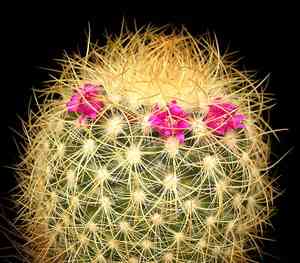
Rainbow pincushion (Mammillaria rhodantha)
Also known as: Golden Star, Rainbow Pincushion
The Rainbow pincushion cactus (*Mammillaria rhodantha*) is a vibrant, flowering cactus that is easy to care for. It flourishes in bright, indirect light but also handles some direct sunlight well. This cactus prefers soil that drains well, like a cactus or succulent mix, and requires infrequent watering—only when the soil is completely dry. It enjoys warm temperatures, ideally between 70-80°F (21-27°C), and should be kept indoors during colder months, as it does not tolerate low temperatures. Avoid excessive humidity and ensure good air circulation for optimal growth.
In This Article
Attributes of Rainbow pincushion
Lifespan
Perennial
Plant Type
Succulent
Plant Height
15 cm to 30 cm
Spread
7 cm to 15 cm
Leaf Color
None (Spines instead of leaves)
Flower Size
1.6 cm
Flower Color
Purple Red
Images of Rainbow pincushion
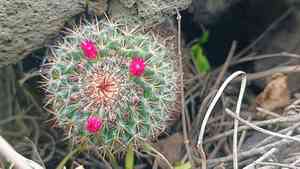
Quickly Identify Rainbow pincushion
1
Identify by its round, globular shape and dense covering of spines. The spines are golden or reddish-brown. The plant produces bright pink flowers that emerge from the top of the cactus.
Scientific Classification of Rainbow pincushion
Phylum
Vascular plants
Class
Dicotyledons
Order
Caryophyllales
Family
Cactuses
Genus
Mammillaria
Species
Rainbow pincushion
Planting and Growing of Rainbow pincushion
Care Difficulty
Easy
Watering Schedule
Every 2 days
Sunlight Requirements
Full sun
Sunshine Duration
6-8 hours
Ideal Temperature
70-80℉
Soil Type
Potting Mix, Peat Mix
Soil pH
6.5-7.5
Fertilizer Type
Balanced
Pruning Season
Spring, Summer
Pruning Area
Branches, Leaves
Pruning Frequency
2 times a year
Repotting Season
Spring
Pot Type
Plastic, Ceramic
 How to Water Rainbow pincushion?
For Mammillaria rhodantha, the watering amount should be precise. Aim for approximately 100 milliliters each time, ensuring the soil is moistened thoroughly without becoming waterlogged. The goal is to allow the soil to dry out between waterings, mimicking the cactus' natural desert environment.
What are the symptoms of an underwatered Rainbow pincushion?
›
What should I do if my Rainbow pincushion is not getting enough water?
›
What are the symptoms of an overwatered Rainbow pincushion?
›
How to save an overwatered Rainbow pincushion?
›
 What Are the Sunlight Requirements for Rainbow pincushion?
Mammillaria rhodantha's ideal light range includes full sun exposure for part of the day or several hours of partial sun. Optimal light conditions bolster its growth and flowering potential, promoting a robust, visually appealing specimen aligned with its natural growing conditions.
More About Sunlight Requirements Techniques→
How much sun does Mammillaria rhodantha need?
›
What is the best time to move it for light?
›
Is artificial light necessary for indoor growing?
›
 What Is the Ideal Temperature Range for Rainbow pincushion?
Mammillaria rhodantha thrives best in a temperature range of 70°F to 80°F. This range supports its optimal metabolic functions, allowing it to grow steadily and healthily. At these temperatures, the plant experiences efficient photosynthesis and nutrient absorption, which are crucial for its development.
 What Soil is Best for Rainbow pincushion?
Mammillaria rhodantha thrives in well-draining soil to prevent root rot, which is crucial for cacti. A well-draining substrate ensures that water does not pool around the roots, promoting healthy growth and vigor. Although cacti are adapted to poor soils, Mammillaria rhodantha benefits from a soil that contains organic matter. A nutrient-rich medium supports overall health and boosts flower production, resulting in a captivating display of blooms. An aerated soil structure allows air to circulate around the roots, preventing diseases and promoting healthy development. This air-permeable mixture is essential for these cacti, offering them a growing environment similar to their natural habitats.
 How to Fertilize Rainbow pincushion?
The Mammillaria rhodantha cactus requires a balanced application of fertilizer. Use a diluted liquid fertilizer, for example, a 1/4 strength 20-20-20 formula, to provide essential nutrients without overwhelming the plant. A heavy dose can lead to nutrient burn, especially in sandy soils common where these cacti dwell.
 How to Prune Rainbow pincushion?
Before you start, carefully examine Mammillaria rhodantha for any dead or damaged sections. Identifying these areas will guide where you should focus your pruning efforts. Gently cut away any dead or diseased areas. This not only improves the plant's aesthetic but also prevents the spread of disease, allowing healthy parts of the cactus to thrive. Trim around the edges to maintain a pleasant shape, encouraging uniform growth. Shaping helps manage the size and directs growth in a balanced manner. After you're done, sterilize your tools again to avoid transferring any potential pathogens to other plants. This step is crucial in maintaining overall garden health.
 How to Propagate Rainbow pincushion plant?
1
Choose a healthy segment of the cactus without any signs of rot or disease. Preferably select pieces with multiple growth nodes as they have a higher chance of successful rooting.
2
Allow the selected cutting to callous over by placing it in a dry, shaded area for several days. This reduces the risk of rot when placed in soil and enhances its chances of rooting.
3
Place the cutting in a well-draining cactus mix. Mist the soil lightly rather than watering directly, and ensure it’s kept in a warm location with indirect sunlight to encourage root growth.
 How to Repot Rainbow pincushion plant?
1
Mammillaria rhodantha signals that it's time to repot when you notice roots growing out of the drainage holes, the soil becomes compacted and holds less water, or the pot feels too light after watering, indicating the plant has outgrown its container.
2
When selecting a pot for Mammillaria rhodantha, opt for a container that is about an inch larger in diameter than the current one. Ensure it has good drainage holes to prevent water accumulation. A slightly porous material like terracotta is ideal for allowing airflow and preventing water retention, which is crucial for cacti.
3
Selecting the right soil is crucial for Mammillaria rhodantha. Choose a well-draining cactus mix that mimics its natural environment. A combination of sand, perlite, and peat or coco coir ensures good drainage, preventing root rot and promoting healthy growth.



