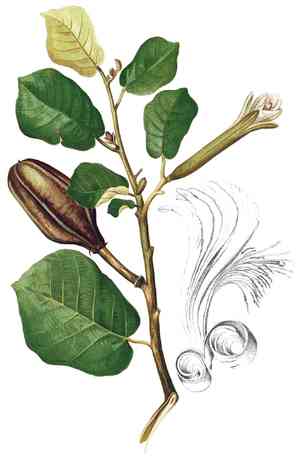
Mazapan (Malvaviscus penduliflorus)
Also known as: Sleeping Hibiscus, Turk's Cap, Wax Mallow
The Mazapan shrub is a perennial plant known for its unique red, lantern-shaped flowers that remain closed. It flourishes in warm, semi-arid climates with full sunlight and requires well-drained soil. The shrub's deep root system allows it to adapt to various soil types, and while it grows best with moderate rainfall, it can withstand drought conditions.
In This Article
Attributes of Mazapan
Lifespan
Perennial
Plant Type
Shrub
Plant Height
2-3 meters
Spread
1-2 meters
Leaf Color
Dark Green
Flower Size
3-5 cm
Flower Color
Red
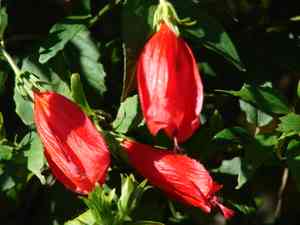
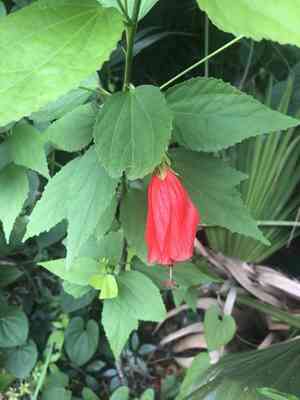
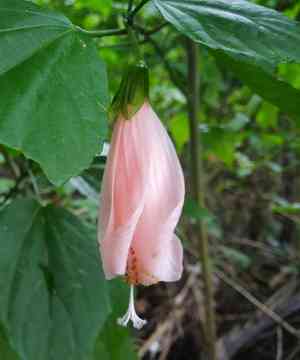
Images of Mazapan

Quickly Identify Mazapan
1
Identify Malvaviscus penduliflorus by its bright red, pendulous flowers that resemble hibiscus, its shiny dark green leaves that are elliptic to ovate with slightly serrated edges, and its stature as a small shrub.
Scientific Classification of Mazapan
Phylum
Vascular plants
Class
Dicotyledons
Order
Mallows, rock-roses, and allies
Family
Mallow
Genus
Malvaviscus
Species
Mazapan
Planting and Growing of Mazapan
Care Difficulty
Easy
Watering Schedule
Every 4 days
Sunlight Requirements
Partial sun
Sunshine Duration
6-10 hours
Ideal Temperature
65-75℉
Soil Type
Potting Mix, Peat Mix
Soil pH
6.5-7.5
Fertilizer Type
Balanced
Pruning Season
Spring, Summer
Pruning Area
Branches, Leaves
Pruning Frequency
2 times a year
Repotting Season
Spring
Pot Type
Plastic, Ceramic
 How to Water Mazapan?
Ensure the soil is moist but not waterlogged. Water until you see excess water drain from the bottom of the pot. Consistency in moisture is crucial to avoid stress on the plant.
What are the symptoms of an underwatered Mazapan?
›
What should I do if my Mazapan is not getting enough water?
›
What are the symptoms of an overwatered Mazapan?
›
How to save an overwatered Mazapan?
›
 What Are the Sunlight Requirements for Mazapan?
Partial sun provides a perfect balance for this plant, ensuring robust growth. With optimal light, Malvaviscus penduliflorus maintains healthy foliage, vibrant blooms, and copes well with environmental changes.
What type of lighting does Malvaviscus penduliflorus require?
›
How can you ensure the plant gets the right light?
›
What are the benefits of providing optimal light?
›
 What Is the Ideal Temperature Range for Mazapan?
For optimal growth, Malvaviscus penduliflorus thrives in temperatures ranging from 65 to 75 °F. This range provides a balance between warmth and coolness, ensuring that the plant can photosynthesize effectively while minimizing stress that can occur at more extreme temperatures.
 What Soil is Best for Mazapan?
Malvaviscus penduliflorus thrives in well-drained soil, allowing the roots to access oxygen efficiently while preventing waterlogging. Ensuring good drainage helps prevent root rot, ensuring vibrant growth and lush foliage. Although it requires good drainage, this plant benefits from soil that retains moisture without becoming wet. This balance ensures consistent water availability, vital for maintaining healthy blooms and robust growth. Infusing the soil with organic matter like compost increases nutrient availability, improving plant health. The enriched soil enhances flora sustainability, bolstering vibrant blooms and offering a habitat that supports diverse microbial life.
 How to Fertilize Mazapan?
For Malvaviscus penduliflorus, applying fertilizer sparingly is key. Use approximately one tablespoon of balanced 10-10-10 fertilizer per square foot, ensuring an even distribution around the plant's base. Be mindful not to exceed this amount to prevent nutrient overload.
 How to Prune Mazapan?
Begin pruning by sterilizing your shears to prevent disease spread. Focus on cutting back branches that cross or grow inward. Trim to encourage a balanced shape. Cut just above a node to stimulate new growth. Remember to remove dead or damaged branches to enhance the plant's health and appearance. Keep the canopy open to improve air circulation, which minimizes the risk of fungal infections.
More About Pruning Techniques→
 How to Propagate Mazapan plant?
1
Choose a robust and disease-free plant to take cuttings or harvest seeds from. The strength and health of the parent plant will directly impact the success of new plants.
2
For cutting propagation, cut a stem segment of about 6-8 inches just below a leaf node. Remove any leaves from the lower half to prevent rot.
3
Dip the cut end of each cutting into rooting hormone, then plant in a well-draining potting mix. Water lightly to settle the soil around the cuttings.
 How to Repot Mazapan plant?
1
Watch for signals like roots protruding from drainage holes and slowed growth as indicators. Season-wise, choose Spring or Summer when the plant experiences vigorous growth, ensuring minimal stress during repotting.
2
Opt for a pot that’s one size larger than the current one and has good drainage. This prevents waterlogging and provides room for root expansion, fostering healthier growth and reducing the risk of root rot.
3
Use a mix rich in organic matter to nourish your plant. Ensure it's well-draining to prevent root rot, promoting a healthy balance of moisture and aeration which is crucial for robust growth.
Learn More About Mazapan Diseases
Anthracnose
Bacterial Leaf Spot
Bacterial Soft Rot
Bacterial Wilt
Black Spot
Chemical Injury
Crown Gall
Damping-off
Downy Mildew
Drought Stress
Fusarium Wilt
Gray Mold
Leaf Curl
Leaf Spot
Mosaic
Nutrient Deficiency
Nutrient Toxicity
Powdery Mildew
Root Rot
Root-knot Nematode
Rusts
Sooty Mold
Spider Mites
Temperature Stress
Thrips Damage
White Mold



