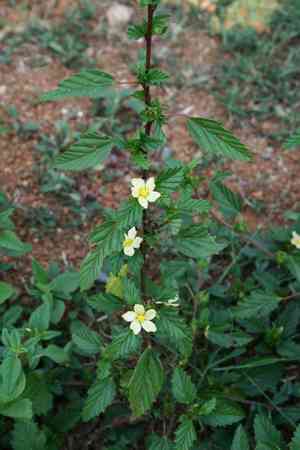
Three-lobed false mallow (Malvastrum coromandelianum)
Also known as: Broom weed, Clock plant
The three-lobed false mallow (Malvastrum coromandelianum) is a herbaceous plant, both annual and perennial, originating from North and South America. It has spread to various parts of the world, including Australia, Asia, and Africa.
In This Article
Attributes of Three-lobed false mallow
Lifespan
Perennial, Annual
Plant Type
Herb
Plant Height
1 m
Spread
Approximately 60 cm (24 inches)
Leaf Color
Yellow Bronze
Flower Size
1.5 cm
Flower Color
Yellow
Images of Three-lobed false mallow
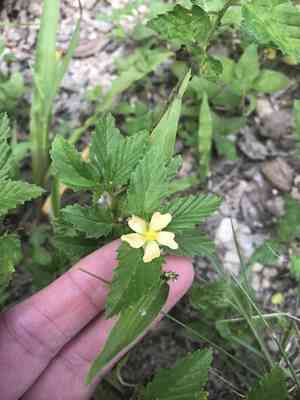
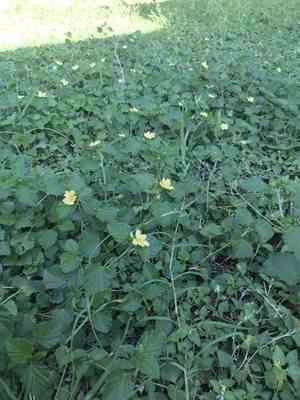
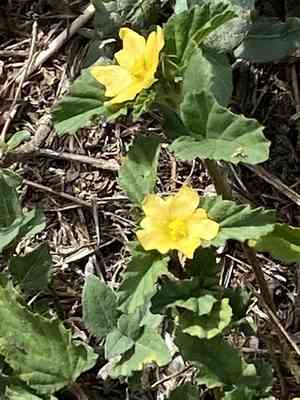
Quickly Identify Three-lobed false mallow
1
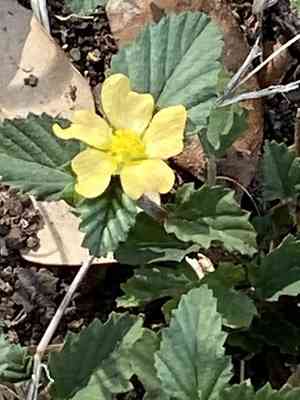
The plant can be identified by its hairy, ovate leaves and yellow to orange flowers that bloom throughout the year. The flowers have five petals and a prominent central staminal column.
Scientific Classification of Three-lobed false mallow
Phylum
Vascular plants
Class
Dicotyledons
Order
Malvales
Family
Mallow
Genus
False mallows
Species
Three-lobed false mallow
Planting and Growing of Three-lobed false mallow
Care Difficulty
Easy
Watering Schedule
Every 3 days
Sunlight Requirements
Full sun
Sunshine Duration
6-10 hours
Ideal Temperature
75-85℉
Soil Type
Potting Mix, Peat Mix
Soil pH
6.5-7.5
Fertilizer Type
Balanced
Pruning Season
Spring, Summer
Pruning Area
Branches, Leaves
Pruning Frequency
2 times a year
Repotting Season
Spring
Pot Type
Plastic, Terracotta
 How to Water Three-lobed false mallow?
Ensure that the soil is consistently moist but never waterlogged. Water until you see a slight amount escaping from the bottom of the pot, usually around 300 ml for medium-sized containers. This amount supports the plant's general hydration needs, ensuring that the roots have ample access to moisture.
What are the symptoms of an underwatered Three-lobed false mallow?
›
What should I do if my Three-lobed false mallow is not getting enough water?
›
What are the symptoms of an overwatered Three-lobed false mallow?
›
How to save an overwatered Three-lobed false mallow?
›
 What Are the Sunlight Requirements for Three-lobed false mallow?
For optimal growth, Malvastrum coromandelianum should be exposed to full sun for at least 4-6 hours daily. Ideal light conditions significantly enhance photosynthesis, resulting in healthier, more robust flowering and foliage development.
What is the ideal light intensity?
›
What are solutions for obtaining ideal light?
›
How does ideal light affect growth?
›
 What Is the Ideal Temperature Range for Three-lobed false mallow?
The ideal temperature range for Malvastrum coromandelianum is between 75°F and 85°F. This range offers optimal conditions for growth and flowering, as it closely mimics the plant's natural habitat. Maintaining this temperature range ensures vigorous growth and enhances the plant's ability to thrive.
 What Soil is Best for Three-lobed false mallow?
Malvastrum coromandelianum thrives in soil with excellent drainage. Well-drained soil prevents waterlogging, which can lead to root rot and other issues, ensuring healthy growth conditions. This plant prefers soil with moderate fertility. Soil rich in organic matter provides essential nutrients that support robust plant growth and enhance flowering. The plant does well in soil with a neutral to slightly alkaline pH. This range promotes optimal nutrient availability, aiding in the overall health and vigor of the plant.
 How to Fertilize Three-lobed false mallow?
For Malvastrum coromandelianum, a balanced 10-10-10 liquid fertilizer should be diluted to half strength before applying. Use approximately 1 cup per plant to avoid over-fertilization while ensuring it receives essential nutrients for growth.
 How to Prune Three-lobed false mallow?
Start by inspecting the plant for dead or diseased leaves and stems. Carefully cut these out, ensuring you don't damage healthy parts of the plant, which can foster a more vibrant regrowth. Trim back any overgrown stems to maintain the plant's desired shape. Focus on removing long or unruly stems that disrupt the plant's appearance while encouraging a fuller growth by cutting just above a leaf node. To boost blooming, prune after the main flowering period. This involves cutting back the faded flowers and any unwanted growth to stimulate the development of fresh flower-producing shoots.
 How to Propagate Three-lobed false mallow plant?
1
Collect seeds from a mature Malvastrum coromandelianum plant. Clean them of any plant debris and dry them before planting. Ensure that the seeds are not damaged during collection.
2
Choose a healthy section of the plant and make a clean cut with sterilized pruning shears. The cutting should be around 4-6 inches long and have several leaves on it. Remove any lower leaves to prevent them from rotting in the soil.
3
Use a well-draining soil mix for planting. For seeds, sow them at a shallow depth and cover slightly with soil. For cuttings, insert the cut end into the soil, ensuring it is stable and upright. Water lightly to settle the soil.
 How to Repot Three-lobed false mallow plant?
1
Malvastrum coromandelianum signals the need for repotting when you notice more roots than soil in the pot. This could mean roots growing out of the drainage holes or circling the pot's interior. Additionally, the plant may outgrow its pot and show stunted growth or reduced flowering. It is optimal to repot during active growing seasons like spring or summer.
2
Select a pot slightly larger than the current one, ensuring it has adequate drainage holes. A pot that's too large holds excess soil moisture, leading to root rot. Terracotta pots are beneficial as they allow for better air circulation around the roots, preventing soggy soil conditions that can damage the plant.
3
Opt for a well-draining potting mix, containing a combination of peat, perlite, and sand. This mix promotes excellent drainage and aeration, crucial for preventing root rot and ensuring healthy root development. A light, airy composition mimics the plant's native environment, supporting its growth effectively.
Learn More About Three-lobed false mallow Diseases
Anthracnose
Bacterial Leaf Spot
Bacterial Soft Rot
Bacterial Wilt
Black Spot
Chemical Injury
Crown Gall
Cyst Nematode
Damping-off
Downy Mildew
Drought Stress
Fusarium Wilt
Gray Mold
Leaf Curl
Leaf Spot
Mosaic
Nutrient Deficiency
Nutrient Toxicity
Powdery Mildew
Root Rot
Root-knot Nematode
Rusts
Sooty Mold
Spider Mites
Temperature Stress
Thrips Damage
White Mold


