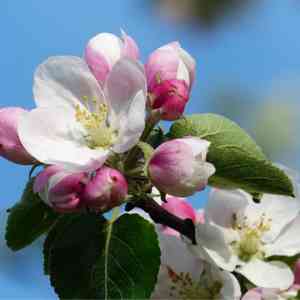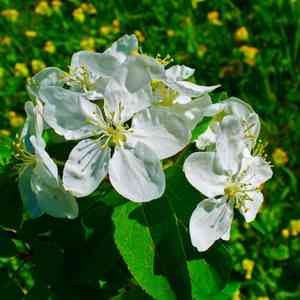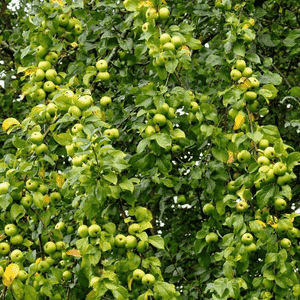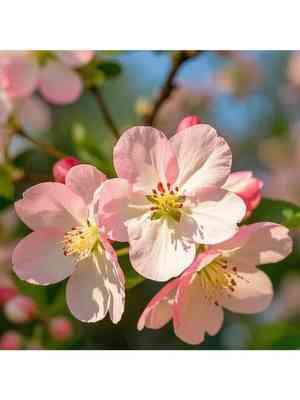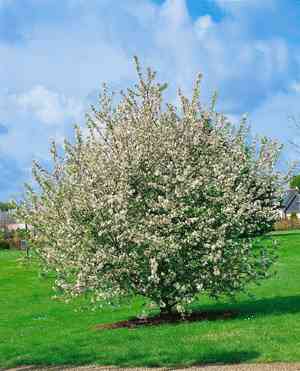
European crab apple(Malus sylvestris)

European crab apple (Malus sylvestris)

Also known as: Crab Apple, Wild Apple

The European crab apple (Malus sylvestris) is a tree species that can reach an age of up to one hundred years. Native to Europe, its Latin name translates to "forest apple." This species plays a critical role as an ancestor of the domestic apple and provides a food source for the caterpillars of the twin-spotted sphinx moth, which feed on its leaves.

Attributes of European crab apple

Lifespan
Perennial
Plant Type
Tree, Shrub
Plant Height
10 m
Spread
4 m to 8 m
Leaf Color
Green
Flower Size
5 cm
Flower Color
White Pink

PlantJoy - Identify plants with a snap

Identify and diagnose plants, get toxicity alerts, and explore safety guides for all types of fungi.

Try for Free

Images of European crab apple

European crab apple(Malus sylvestris)

Quickly Identify European crab apple

1
Showy white-pink flowers, 1 inch (2.5 cm) diameter, 5-parted petals.
2
Fruit: Firm, globular, 2-3 inches (5-7.6 cm), with smooth skin.
3
Leaves: Alternate, ovate, serrated, 4-8 cm (1.6-3.1 in) long.
4
Robust single trunk, 4-8 inches (10-20 cm) diameter, dark gray-brown, scaly texture.
5
Bark: Grayish-brown with vertical fissures, contributes to gnarled appearance.

Scientific Classification of European crab apple

Phylum
Vascular plants
Class
Dicotyledons
Order
Rosales
Family
Rose
Genus
Malus
Species
European crab apple

Planting and Growing of European crab apple

Care Difficulty
Easy
Watering Schedule
Every 3 days
Sunlight Requirements
Full sun
Sunshine Duration
6-10 hours
Ideal Temperature
59-77℉
Soil Type
Potting Mix, Peat Mix
Soil pH
6.5-7.5
Fertilizer Type
Balanced
Pruning Season
Spring, Summer
Pruning Area
Branches, Leaves
Pruning Frequency
2 times a year
Repotting Season
Spring
Pot Type
Plastic, Ceramic

water icon How to Water European crab apple?

Malus sylvestris requires a moderate amount of water. The goal is to keep the soil consistently moist but not waterlogged. Aim for about 1000 milliliters per watering session, ensuring the soil is damp to a depth of several inches.
What are the symptoms of an underwatered European crab apple?
What should I do if my European crab apple is not getting enough water?
What are the symptoms of an overwatered European crab apple?
How to save an overwatered European crab apple?
More About Watering Techniques

sunlight icon What Are the Sunlight Requirements for European crab apple?

Sunlight Requirements: Full sun, Partial sun
Duration of light: 6 to 8 hours daily
Malus sylvestris prefers full to partial sun, which means about 6 to 8 hours of sunlight daily. This light range fosters optimal growth and fruitful harvests, bolstering the tree's overall health and capability to resist diseases.
How much sun does Malus sylvestris need?
What are the solutions to achieve ideal lighting?
What benefits does ideal lighting provide?
More About Sunlight Requirements Techniques

temperature icon What Is the Ideal Temperature Range for European crab apple?

Ideal Temperature: 59 ~ 77℉
For Malus sylvestris, the ideal temperature range is between 59°F and 77°F. Within this temperature bracket, the plant thrives, showing optimal growth and development. It's important for both cellular processes and overall plant health.

soil icon What Soil is Best for European crab apple?

Soil type: Loam, Sandy loam, Clay soil
Soil PH: 6.5 ~ 7.5
Malus sylvestris prefers well-drained soils that prevent waterlogging, ensuring adequate aeration and healthy root development. This condition helps in avoiding root rot, promoting robust growth. The tree thrives in soils of moderate fertility. Excessive nutrients can lead to excessive vegetative growth, reducing fruit production. Balanced fertility supports optimal fruit and flower development. A balance in moisture retention is crucial for Malus sylvestris, as it ensures the roots remain hydrated without being waterlogged. Proper moisture balance facilitates steady growth and fruit yield. More About Soil

fertilize icon How to Fertilize European crab apple?

Fertilizer type: Balanced
For Malus sylvestris, a wild apple tree, it's wise to use about 1 pound of 10-10-10 balanced fertilizer for every 100 square feet of surrounding ground area. This gentle application ensures the plant receives the necessary nutrients without risking over-fertilization. More About Fertilizing Techniques

prune icon How to Prune European crab apple?

Pruning Time: Spring, Summer, Autumn
Begin by identifying branches that are dead, diseased, or crossing. These branches can hinder the tree's growth and lead to potential disease spread. Remove these undesirable branches first to ensure the tree's health and vitality. Next, focus on shaping the tree to promote a balanced and aesthetically pleasing form. Aim to create an open center that allows light and air to penetrate the canopy, promoting healthy growth and enhanced fruit production. Use sharp pruning shears to make clean cuts just above a bud or lateral branch. This technique encourages new growth and prevents damage to the tree's vascular system. Always cut at a slight angle to prevent water accumulation. More About Pruning Techniques

propagate icon How to Propagate European crab apple plant?

Propagate Time: Spring,Early spring
1
Collect the seeds from the fruit of the plant in the autumn. Dry them thoroughly and store them in a cool, dry place until you're ready to plant them in early spring.
2
Choose healthy, disease-free branches and cut them at a 45-degree angle using pruning shears. Ensure each cutting is around 20 cm long and has at least three nodes.
3
Select a healthy rootstock and make a clean cut. Remove a scion from your desired plant and attach it using grafting tape. Make sure both cuts match as closely as possible for successful fusion.
More About Propagating Techniques

repot icon How to Repot European crab apple plant?

Repotting frequency: Every 2-3 years
1
Repot your Malus sylvestris when you notice roots circling the pot or emerging from the drainage holes. Other signs include reduced growth, yellowing leaves, or water sitting on the surface without being absorbed.
2
Choose a pot one size larger than the current one with good drainage holes. A ceramic or plastic pot helps retain moisture better, making it ideal for Malus sylvestris, which requires consistent moisture but not waterlogging.
3
Opt for a well-draining loamy soil mixed with organic matter. This helps retain moisture while providing adequate drainage and nutrients, facilitating healthy root growth and reducing the risk of root rot.

PlantJoy - Identify plants with a snap

Find the best spots for them to optimize their health, simply using your phone.

Try for Free

Toxicity of European crab apple

Is European crab apple toxic to humans?

The European crab apple presents a slight toxicity threat to humans, primarily when ingested. This plant harbors hydrogen cyanide, which is especially concentrated in its seeds, leaves, and stems. Consuming these specific parts can release this hazardous compound into the body. Symptoms of poisoning from the European crab apple may include trouble breathing, light-headedness, headaches, and in serious cases, convulsions and oxygen deprivation. The slight toxicity level indicates that, although the plant is generally non-lethal, caution should be exercised to prevent accidental ingestion of its toxic components, particularly by children or pets who may be attracted to its appealing appearance.

Is European crab apple toxic to cat?

The European crab apple (Malus sylvestris) is recognized as having moderate toxicity for cats, and excessive consumption may lead to shock. The highest levels of toxins are present in the fruit and foliage, so it's essential to keep cats away from any leaf litter and the fruit itself. If you observe that your cat has a bright red mouth or begins to pant, contact your veterinarian without delay.

Is European crab apple toxic to dog?

While the fruits of European crab apples are generally safe, their leaves, twigs, and particularly their seeds can lead to mild to severe adverse reactions in dogs. Fortunately, it is quite uncommon for dogs to consume a sufficient amount of European crab apple seeds or twigs that would trigger a severe response. Signs of poisoning may encompass dilated pupils, trouble breathing, diarrhea, and vomiting. In rare extreme cases, death could occur, but this is exceedingly uncommon.

Identify toxic plants for your safety

Learn which plants are harmful to you and your pets, and make informed choices for a safer home!

Try for Free
WARNING
The judgment on toxicity and danger is for reference only. We DO NOT GUARANTEE any accuracy of such judgment. Therefore, you SHALL NOT rely on such judgment. It is IMPORTANT TO SEEK PROFESSIONAL ADVICE in advance when necessary.
More About Toxic Techniques