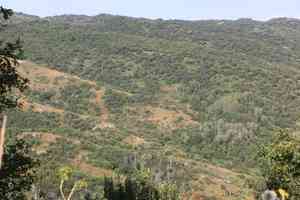
Malus sieversii (Malus sieversii)
Also known as: Wild Apple, Sievers' Apple
Malus sieversii is the progenitor of the domestic apple. This resilient deciduous tree thrives in the forests of Central Asia and is well-suited to cold environments. It produces abundant, fragrant white or pink flowers, eventually leading to a variety of fruits with flavors from tart to sweet. This genetic diversity has significantly impacted the apples we cultivate today.
In This Article
Attributes of Malus sieversii
Lifespan
Perennial
Plant Type
Tree
Plant Height
10-30 feet (3-9 meters)
Spread
15-25 feet (4.5-7.5 meters)
Leaf Color
Green
Flower Size
1-2 inches (2.5-5 centimeters)
Flower Color
White to Pink
Images of Malus sieversii
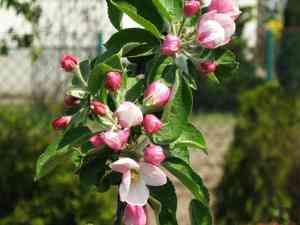
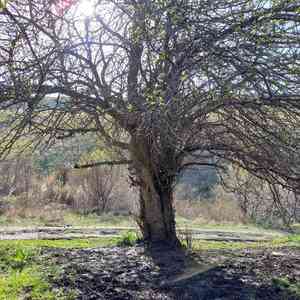
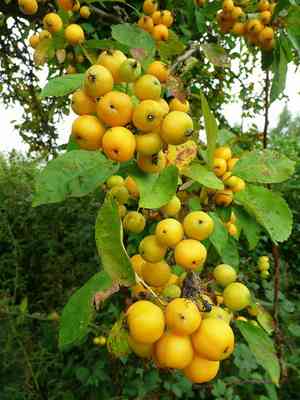
Quickly Identify Malus sieversii
1
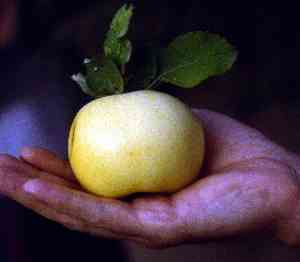
Malus sieversii can be identified by its deciduous nature, broad leaf surface, white to pinkish flowers, and small apple-like fruits that can vary in color from yellow to red.
Scientific Classification of Malus sieversii
Phylum
Vascular plants
Class
Dicotyledons
Order
Roses, elms, figs, and allies
Family
Rose
Genus
Malus
Species
Malus sieversii
Planting and Growing of Malus sieversii
Care Difficulty
Moderate
Watering Schedule
Every 2 days
Sunlight Requirements
Full sun
Sunshine Duration
4-8 hours
Ideal Temperature
50-77℉
Soil Type
Potting Mix, Peat Mix
Soil pH
6.5-7.5
Fertilizer Type
Balanced
Pruning Season
Spring, Summer
Pruning Area
Branches, Leaves
Pruning Frequency
2 times a year
Repotting Season
Spring
Pot Type
Plastic, Ceramic
 How to Water Malus sieversii?
When watering Malus sieversii, ensure that the soil is moistened deeply, approximately to a depth of 15-20 cm, which usually requires about 500 ml per watering. The aim is to maintain a consistent moisture level without waterlogging the roots. Water should drain through the soil, ensuring the root zone is satisfied without leaving standing water.
What are the symptoms of an underwatered Malus sieversii?
›
What should I do if my Malus sieversii is not getting enough water?
›
What are the symptoms of an overwatered Malus sieversii?
›
How to save an overwatered Malus sieversii?
›
 What Are the Sunlight Requirements for Malus sieversii?
Malus sieversii benefits from full sun to partial sun, ensuring proper photosynthesis and fruit production. Sufficient light promotes robust growth and maximizes fruit yield and flavor.
What is the best light intensity?
›
How can I achieve optimal sunlight exposure?
›
What benefits from ideal sunlight?
›
 What Is the Ideal Temperature Range for Malus sieversii?
The ideal temperature range for Malus sieversii cultivation is between 50°F and 77°F. This range supports optimal metabolic activities such as photosynthesis and respiration, ensuring healthy growth and fruit production. Maintaining such conditions will help maximize the potential of the plant's growth cycle.
 What Soil is Best for Malus sieversii?
Malus sieversii thrives in well-drained soil, as it prevents waterlogging, which can lead to root rot. Well-drained conditions encourage healthy root growth and increase the plant's resistance to diseases. A soil that is rich in nutrients such as nitrogen, phosphorus, and potassium is essential for the healthy growth of Malus sieversii. This ensures robust foliage growth and enhances fruit development. The ideal pH range for Malus sieversii is between 6.5 and 7.5. This pH facilitates optimal nutrient availability and uptake, promoting overall health and vigor of the plant.
 How to Fertilize Malus sieversii?
For Malus sieversii, the fertilization amount depends on the age and size of the tree. Young trees generally require around 0.5 pounds of nitrogen per year, while mature trees might need up to 1.5 pounds. Always start with a lower amount and observe the tree's response, as different soils and climates can alter nutrient availability.
 How to Prune Malus sieversii?
Begin by removing any dead, damaged, or diseased branches first. Then, focus on thinning out crowded limbs to improve sunlight penetration and air circulation within the canopy. Make cuts just above a bud or branch. Focus on removing non-fruitful spurs and excessive vegetative growth to stimulate better fruiting. Maintain a balanced shape by ensuring that central leaders are supported with strong lateral branches. Aim to create an open center by encouraging outward-facing growth. Prune to establish a sturdy framework that promotes strong, fruit-bearing wood while keeping the overall shape aesthetically pleasing.
 How to Propagate Malus sieversii plant?
1
Collect seeds from ripe Malus sieversii fruits and remove any pulp. Stratify the seeds by chilling them at 1-5°C for two months to break dormancy and encourage germination.
2
Select a healthy and suitable rootstock, typically a variety of apple tree with desired growth attributes. Choose scion wood from a disease-free Malus sieversii, ensuring it contains at least two to three buds.
3
Perform the grafting in early spring by making a tongue-and-groove or whip and tongue cut. Align the scion and rootstock cambium layers, secure with grafting tape, and cover with grafting wax to maintain moisture.
 How to Repot Malus sieversii plant?
1
Repot Malus sieversii when you notice roots circling the pot's base, or when the plant experiences stunted growth despite proper care. Another signal can be yellowing leaves, indicating poor nutrient uptake due to compacted soil.
2
Opt for a pot that is 2-3 inches larger in diameter than the current one. A pot with good drainage is essential to prevent root rot and ensure excess water can escape easily. Non-porous materials like glazed ceramic or plastic help retain soil moisture for this species.
3
Use a loamy, well-draining mix to prevent waterlogging while ensuring the plant receives essential nutrients. A mix with sand, organic compost, and perlite provides excellent structure for easy root growth and sufficient aeration.



