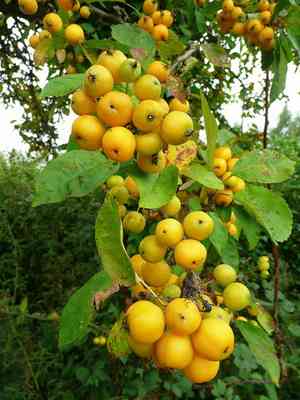
Kaido crab apple (Malus micromalus)
Also known as: Chinese crab apple, Flowering crab apple
The Kaido crab apple tree, native to China, produces edible fruit that ripens in the fall. However, the seeds of Kaido crab apples, like those of all crabapple species such as Malus micromalus, contain amygdalin, which can release hydrogen cyanide when digested. Therefore, consuming these seeds in large amounts can be harmful and should be avoided.
In This Article
Attributes of Kaido crab apple
Lifespan
Perennial
Plant Type
Tree
Plant Height
3 m to 5 m
Spread
3 m to 4.5 m
Leaf Color
Green
Flower Size
4 cm
Flower Color
Pink
Images of Kaido crab apple
Quickly Identify Kaido crab apple
1
To identify Malus micromalus, look for small to medium-sized trees with broad, rounded crowns. The leaves are simple, ovate, and serrated. The flowers are white to pink, typically blooming in spring.
Scientific Classification of Kaido crab apple
Phylum
Vascular plants
Class
Dicotyledons
Order
Roses, elms, figs, and allies
Family
Rose
Genus
Malus
Species
Kaido crab apple
Planting and Growing of Kaido crab apple
Care Difficulty
Easy
Watering Schedule
Every 3 days
Sunlight Requirements
Full sun
Sunshine Duration
6-12 hours
Ideal Temperature
60-75℉
Soil Type
Potting Mix, Peat Mix
Soil pH
6.5-7.5
Fertilizer Type
Balanced
Pruning Season
Spring, Summer
Pruning Area
Branches, Leaves
Pruning Frequency
2 times a year
Repotting Season
Spring
Pot Type
Plastic, Ceramic
 How to Water Kaido crab apple?
For Malus micromalus, ensure the soil is consistently moist but not waterlogged. Watering with around 500 ml should suffice, and make sure the top 5 cm of soil is dry before the next watering. This prevents root rot and promotes healthy growth.
What are the symptoms of an underwatered Kaido crab apple?
›
What should I do if my Kaido crab apple is not getting enough water?
›
What are the symptoms of an overwatered Kaido crab apple?
›
How to save an overwatered Kaido crab apple?
›
 What Are the Sunlight Requirements for Kaido crab apple?
For Malus micromalus, the ideal light exposure is partial to full sun. Sufficient sunlight is critical for ample blooming and healthy foliage. Balancing direct and filtered sunlight optimizes its resistance to environmental stresses and enhances its ornamental and practical value.
More About Sunlight Requirements Techniques→
What is the ideal amount of sunlight for Malus micromalus?
›
How can you ensure Malus micromalus receives ideal light?
›
What are the benefits of proper lighting for Malus micromalus?
›
 What Is the Ideal Temperature Range for Kaido crab apple?
For Malus micromalus, the ideal temperature range is between 60°F and 75°F. This range promotes healthy growth and viable fruit production. Maintaining this range ensures optimal photosynthetic activity and essential metabolic processes, thereby supporting overall plant health.
 What Soil is Best for Kaido crab apple?
Malus micromalus thrives in well-drained soil, which prevents waterlogging and ensures that the roots receive the oxygen they need. This enhances root development and overall plant health, leading to better fruit production. A nutrient-rich substrate supports the growth of Malus micromalus by providing essential nutrients such as nitrogen, phosphorus, and potassium. This encourages robust growth and vibrant flowering, essential for a productive harvest. Maintaining moderate soil moisture is crucial, as it ensures that the plant does not suffer from drought stress or excessive wetness. This balance promotes strong growth and helps in resisting diseases that thrive in overly moist conditions.
 How to Fertilize Kaido crab apple?
For Malus micromalus, it's essential to apply fertilizer judiciously. During active growth, use approximately 1/2 pound of balanced fertilizer per year. Ensure the fertilizer contains essential nutrients like nitrogen, phosphorus, and potassium for optimal fruit development and plant health.
 How to Prune Kaido crab apple?
Begin by removing any dead or diseased branches, making clean cuts to prevent infection. Next, cut back any crossing branches that can cause damage by rubbing together. You'll want to trim branches that grow inwardly, as they could block sunlight and air flow. Finally, prune for shape by removing awkward or overly long branches to maintain the aesthetic appearance and overall health of your tree. Ensure you have the right tools for the job. Use sharp, sterilized shears or a pruning saw for clean cuts. Dull tools can tear the plant tissue, which might lead to infections or pest infestations. Cleaning your tools between cuts with a disinfectant helps to prevent the spread of diseases.
More About Pruning Techniques→
 How to Propagate Kaido crab apple plant?
1
Select healthy parent plants and use pruning shears to take 4-6 inch cuttings from non-flowering shoots. Ensure each cutting has at least two nodes.
2
Dip the cut ends of the cuttings in rooting hormone. This encourages root development and increases the likelihood of successful propagation.
3
Place the treated cuttings into pots with a well-draining growing medium. Water the cuttings thoroughly to ensure the soil is moist but not waterlogged.
 How to Repot Kaido crab apple plant?
1
Repot Malus micromalus when you notice the roots beginning to outgrow the current container. This is often indicated by the roots circling tightly within the pot, or they start to emerge from the drainage holes. Early spring before active growth or early autumn after harvesting the fruits is best, allowing the plant ample time to settle before extreme weather.
2
Select a pot that is 2-4 inches larger in diameter than the current one, ensuring the new pot has adequate drainage holes. This size allows room for root expansion without overwhelming the plant with too much soil, reducing the risk of waterlogging. Choose a material that suits your climate—clay for hot, dry areas to keep roots cool, or plastic for colder regions to retain warmth.
3
Opt for a loamy soil mix that offers both good drainage and nutrient retention. The soil should be rich in organic matter to support the plant’s nutritional needs, while also being light and airy to allow air circulation which prevents root rot and maintains a healthy root system.



