Hall crabapple(Malus halliana)

Hall crabapple (Malus halliana)

Also known as: Hall's crabapple

The Hall crabapple (*Malus halliana*) is an ornamental tree native to China, frequently cultivated for its attractive appearance. Its blooming flowers emit a distinctive sweet musk aroma. In China, this tree is commonly known as "chui si hai tang."

Attributes of Hall crabapple

Lifespan
Perennial
Plant Type
Tree, Shrub
Plant Height
30 cm to 80 cm
Spread
5 m
Leaf Color
Green
Flower Size
3 cm to 3.5 cm
Flower Color
Pink

ForwardPlant - Identify plants with a snap

Identify and diagnose plants, get toxicity alerts, and explore safety guides for all types of fungi.

Try for Free

Images of Hall crabapple

Hall crabapple(Malus halliana)

Quickly Identify Hall crabapple

1
Shell pink to rose-colored double petals on 1-inch (2.5 cm) flowers
2
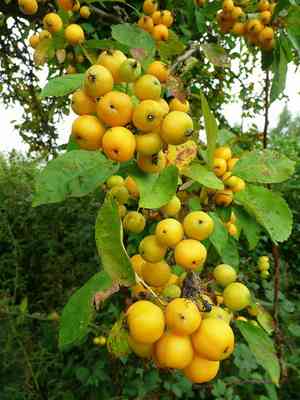
Clusters of tiny fruits in purple to deep red-orange, 1/3 to 1/2 inch (8 to 13 mm) in diameter
3
Dark green elongated leaves with serrated edges, 2 to 4 inches (5 to 10 cm) long
4
Distinct purple-hued berries, one-third inch (0.85 cm) in diameter ripening in fall
5
Veins evenly spaced and serrated edges on leaves for easy identification

Scientific Classification of Hall crabapple

Phylum
Vascular plants
Class
Dicotyledons
Order
Roses, elms, figs, and allies
Family
Rose
Genus
Malus
Species
Hall crabapple

Planting and Growing of Hall crabapple

Care Difficulty
Easy
Watering Schedule
Every 3 days
Sunlight Requirements
Full sun
Sunshine Duration
4-6 hours
Ideal Temperature
60-75℉
Soil Type
Potting Mix, Peat Mix
Soil pH
6.5-7.5
Fertilizer Type
Balanced
Pruning Season
Spring, Summer
Pruning Area
Branches, Leaves
Pruning Frequency
2 times a year
Repotting Season
Spring
Pot Type
Plastic, Ceramic

water icon How to Water Hall crabapple?

For Malus halliana, it is important to ensure the soil is evenly moist but not waterlogged. A rule of thumb is to provide about 500 ml of water per session, ensuring the soil is moist to a depth of about 5-10 cm. Always allow the top 2-3 cm of the soil to dry out between watering sessions. During flowering and fruit-bearing periods, slightly increase the water amount.
What are the symptoms of an underwatered Hall crabapple?
What should I do if my Hall crabapple is not getting enough water?
What are the symptoms of an overwatered Hall crabapple?
How to save an overwatered Hall crabapple?

sunlight icon What Are the Sunlight Requirements for Hall crabapple?

Sunlight Requirements: Full sun, Partial sun
Duration of light: 6 to 8 hours
Malus halliana thrives under full to partial sun, ideally receiving around 6 to 8 hours of sunlight. Adequate sunlight ensures lush foliage and prolific blooming, enhancing the plant's ornamental value in gardens and landscapes.
What is the ideal lighting environment for Malus halliana?
How can you ensure Malus halliana gets ideal lighting?
What are the benefits of Malus halliana receiving ideal lighting?
More About Sunlight Requirements Techniques

temperature icon What Is the Ideal Temperature Range for Hall crabapple?

Ideal Temperature: 60 ~ 75℉
The ideal temperature range for Malus halliana is between 60 and 75°F. This range provides optimal conditions for growth and flowering. Temperatures within this range allow for efficient photosynthesis and help to prevent stress on the plant.

soil icon What Soil is Best for Hall crabapple?

Soil type: Loam, Sandy loam, Acidic soil
Soil PH: 6.5 ~ 7.5
Malus halliana thrives in soil that is rich in organic matter, providing essential nutrients for optimal growth. This type of soil supports strong root development and robust flowering. To prevent root rot, the soil for Malus halliana must have excellent drainage. Ensuring water runs off efficiently prevents waterlogging, keeping the roots healthy and the plant vibrant. While well-drained, the soil should retain some moisture, as Malus halliana requires consistent moisture without sitting in water. This balance is crucial for sustained flowering and foliage health. More About Soil

fertilize icon How to Fertilize Hall crabapple?

Fertilizer type: Balanced
For Malus halliana, the amount of fertilizer required largely depends on the age and size of the tree. Generally, using liquid fertilization, you should mix one tablespoon of balanced 10-10-10 fertilizer in one gallon of water. For slow-release fertilizers, apply about half a pound (226 grams) around the root zone. More About Fertilizing Techniques

prune icon How to Prune Hall crabapple?

Pruning Time: Spring, Summer
Begin by examining the tree for any signs of disease, such as discolored or misshapen leaves and branches. Removing these will improve the tree's health and prevent further spread. Trim back branches that cross over others or grow inward. This helps create an open structure that allows sunlight to penetrate and air to circulate through the canopy, reducing disease risk. Make cuts just above a bud that faces the direction you want the new growth to take. This trains the tree to grow in the desired direction, maintaining its attractive shape. More About Pruning Techniques

propagate icon How to Propagate Hall crabapple plant?

Propagate Time: Early spring,Late spring
1
When propagating via cuttings, select healthy stems about 4-6 inches long. Make an angled cut just below a node using sterilized pruning shears to prevent infection and increase surface area for rooting.
2
For seed propagation, collect ripe seeds in early autumn and stratify them over winter by placing them in a moist medium in the refrigerator for 60-90 days before sowing in the early spring.
3
In grafting propagation, select the rootstock and scion that are healthy and compatible. Make precise cuts to both pieces, join them, and secure with grafting tape, ensuring they remain in close contact to heal together.
More About Propagating Techniques

repot icon How to Repot Hall crabapple plant?

Repotting frequency: Every 2-3 years
1
For Malus halliana, look for signals like roots protruding from drainage holes or a slowdown in growth, indicating the need for repotting. Spring is ideal as the plant awakens from dormancy, ready to take advantage of fresh soil and room for growth.
2
Select a pot that's just one size larger than the current one, with ample drainage holes. This prevents waterlogging, ensuring the roots have space to expand while avoiding rot. A slightly larger pot supports the tree’s gradual growth without overwhelming its root system.
3
Use loamy, well-draining soil rich in organic matter to encourage root health. This type of soil provides the necessary nutrients and ensures that water doesn’t stagnate, reducing the risk of root rot, which is crucial for the health of Malus halliana.

ForwardPlant - Identify plants with a snap

Find the best spots for them to optimize their health, simply using your phone.

Try for Free

Toxicity of Hall crabapple

Is Hall crabapple toxic to cat?

The Hall crabapple presents a low toxicity hazard for cats. High ingestion of the seeds from this plant can lead to potential poisoning. Although the specific toxic compounds are not detailed, it is essential to understand that the seeds constitute the toxic element of the plant. Should a cat consume a considerable number of these seeds, it may display various symptoms of physical distress, suggesting a toxic reaction has occurred. Therefore, cat owners should urgently consult a veterinarian if they believe their cat has ingested hall crabapple seeds to guarantee the best possible recovery.

Is Hall crabapple toxic to dog?

The hall crabapple tree presents a mild toxicity risk to dogs, especially when they consume a significant quantity of its seeds. Canines that eat these parts of the plant may display symptoms indicative of poisoning. Although the particular toxic substances are not specified, dog owners should remain alert for any distress signals, such as vomiting, diarrhea, or abdominal pain, after their pet has been near hall crabapple. It is crucial for pet owners to restrict their dogs from areas where they could ingest large amounts of the seeds. In cases where a dog is suspected of being poisoned by hall crabapple, it is imperative to seek veterinary attention promptly to ensure the appropriate treatment and management of symptoms.

Identify toxic plants for your safety

Learn which plants are harmful to you and your pets, and make informed choices for a safer home!

Try for Free
WARNING
The judgment on toxicity and danger is for reference only. We DO NOT GUARANTEE any accuracy of such judgment. Therefore, you SHALL NOT rely on such judgment. It is IMPORTANT TO SEEK PROFESSIONAL ADVICE in advance when necessary.
More About Toxic Techniques