
Malus domestica (Malus domestica)
Also known as: Apple tree, Orchard apple
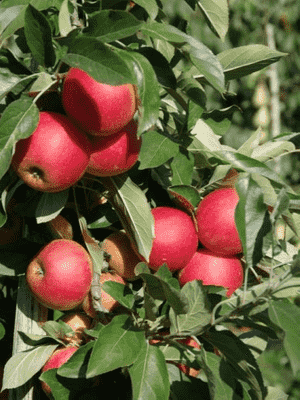
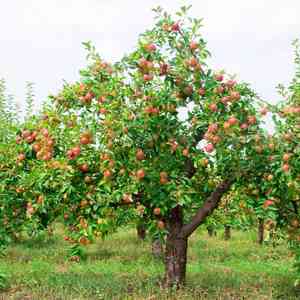
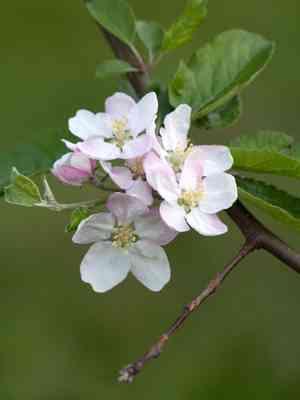
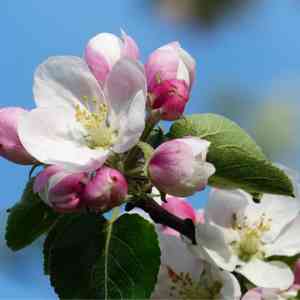
An apple, a circular and consumable fruit, is a product of the apple tree, specifically Malus species including the common or orchard apple, Malus domestica. These trees, native to Central Asia and with a wild ancestor, Malus sieversii, can still be found in the region and are now grown all over the world as the primary species of Malus. Over centuries, apples spread across Eurasia and were later brought to North America by European settlers. They also hold religious and mythological importance in numerous societies, such as Norse, Greek, and European Christian cultures. Remarkably, apple seeds give rise to trees that differ greatly from their parent plants, often producing fruit that lacks preferred attributes. To successfully cultivate apples for commerce and botanical research, varieties of apples are developed through grafting onto rootstocks. Without rootstocks, apple trees grow larger but take longer to bear fruit. Rootstocks thus help manage the growth pace and tree size for easier fruit collection. Over 7,500 apple varieties exist, each bred for different flavors and functions like cooking, raw consumption, and production of cider or apple juice. However, apple trees and their fruits are susceptible to fungal, bacterial, and pest infestations, prompting the need for both organic and non-organic control measures. By 2010, the apple genome was sequenced, contributing to efforts to control diseases and further selective breeding in apple farming.
Attributes of Malus domestica
Images of Malus domestica
 How to Water Malus domestica?
  What Are the Sunlight Requirements for Malus domestica?
  What Is the Ideal Temperature Range for Malus domestica?
  What Soil is Best for Malus domestica?
  How to Fertilize Malus domestica?
  How to Prune Malus domestica?
  How to Propagate Malus domestica plant?
 How to Repot Malus domestica plant?

