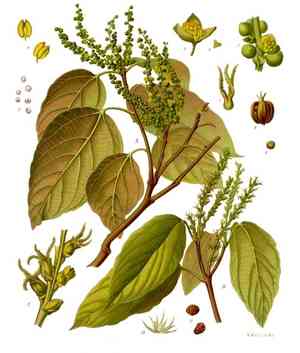
Kamala tree (Mallotus philippensis)
Also known as: Kamala, Red Kamala
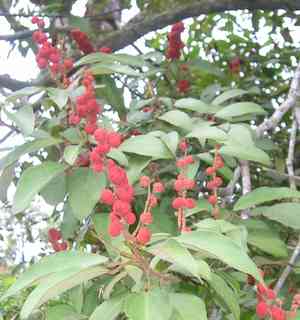
The Kamala tree, scientifically named **Mallotus philippensis**, is renowned for its vibrant orange-red seed pods, which are prized for their dye-making properties. Apart from its use in dye production, this tropical tree is cultivated for its wood and is also popular as an ornamental plant due to its strikingly colorful fruit.
In This Article
Attributes of Kamala tree
Lifespan
Perennial
Plant Type
Tree
Plant Height
25 m
Spread
6 mm to 8 mm
Leaf Color
Green
Flower Size
6 cm
Flower Color
Yellow Green
Images of Kamala tree
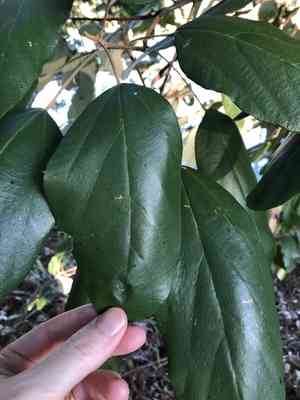
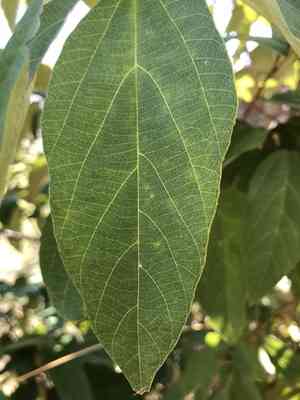
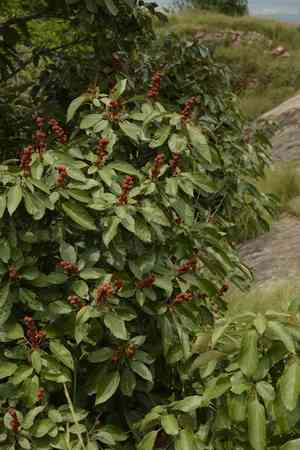
Quickly Identify Kamala tree
1
Kamala can be identified by its reddish-brown fruits, covered in a dense, red powder. The leaves are simple and ovate with a wavy margin, and it has small, unisexual flowers.
Scientific Classification of Kamala tree
Phylum
Vascular plants
Class
Dicotyledons
Order
Nances, spurges, willows and allies
Family
Spurge
Genus
Mallotus
Species
Kamala tree
Planting and Growing of Kamala tree
Care Difficulty
Easy
Watering Schedule
Every 2 days
Sunlight Requirements
Partial sun
Sunshine Duration
4-8 hours
Ideal Temperature
68-77℉
Soil Type
Potting Mix, Peat Mix
Soil pH
6-7.5
Fertilizer Type
Balanced
Pruning Season
Spring, Summer
Pruning Area
Branches, Leaves
Pruning Frequency
2 times a year
Repotting Season
Spring
Pot Type
Plastic, Ceramic
 How to Water Kamala tree?
When watering Mallotus philippensis, aim for around 500 ml each time. This ensures the soil is evenly moist without becoming waterlogged. The goal is to keep the topsoil moist while allowing the roots enough oxygen to prevent root rot.
What are the symptoms of an underwatered Kamala tree?
›
What should I do if my Kamala tree is not getting enough water?
›
What are the symptoms of an overwatered Kamala tree?
›
How to save an overwatered Kamala tree?
›
 What Are the Sunlight Requirements for Kamala tree?
Partial sun is optimal, requiring around 4 to 6 hours of diffused sunlight. This balance prevents scorching while enabling full leaf expansion and vibrant coloration.
More About Sunlight Requirements Techniques→
What type of light does Mallotus philippensis prefer?
›
How to ensure Mallotus philippensis gets sufficient light?
›
What benefits can Ideal lighting offer Mallotus philippensis?
›
 What Is the Ideal Temperature Range for Kamala tree?
The ideal temperature range for Mallotus philippensis, between 68°F and 77°F, is crucial as it aligns with the plant's native tropical climate, promoting optimal growth and health. At these temperatures, the plant exhibits maximum metabolic efficiency, leading to vibrant foliage and robust development.
 What Soil is Best for Kamala tree?
Mallotus philippensis thrives in soil that can retain moisture well. This ability helps ensure the plant has consistent access to necessary water, promoting vigorous growth and resilience against drought conditions. A rich nutrient profile is vital for Mallotus philippensis to flourish. Soils high in organic matter ensure that essential nutrients are readily available, supporting the plant's growth and overall vitality. For this plant, proper drainage is crucial to prevent root rot and other water-related issues. Well-drained soil ensures that excess water does not stagnate, allowing roots to access the oxygen they need.
 How to Fertilize Kamala tree?
Mallotus philippensis generally thrives with a balanced 10-10-10 NPK fertilizer. For liquid fertilizers, use a concentration of 1 tablespoon per gallon of water. For solid fertilizers, apply roughly a handful per plant, ensuring even distribution around the root zone. Always follow package instructions and adjust based on the plant's response.
 How to Prune Kamala tree?
Begin by removing any dead or diseased branches. These sections can sap energy from the plant and invite pests. Make cuts at a 45-degree angle a few inches into healthy wood. Prune for shape by cutting back branches that disrupt the desired form of the plant. Focus on creating an open structure that allows light and air to penetrate the foliage. Trim back vigorous shoots that affect the overall balance of the plant. This encourages consistent growth and distribution of nutrients throughout the plant.
More About Pruning Techniques→
 How to Propagate Kamala tree plant?
1
Gather seeds from ripe fruits. The fruits should be bright red and split open easily when mature. Carefully remove the seeds and clean off any pulp.
2
Sow the seeds evenly into a seed tray filled with sterile potting mix. Lightly cover the seeds with additional potting mix, ensuring they are buried just beneath the surface.
3
Water the seed trays gently to keep the soil moist but not waterlogged. Place the trays in a warm, indirect light location. Monitor regularly for signs of germination and adjust water levels as necessary.
 How to Repot Kamala tree plant?
1
Repotting Mallotus philippensis is best done when you notice the roots growing out of the drainage holes or if the plant becomes root-bound. Another signal is if it becomes top-heavy or the soil gets compacted and drains poorly. These are signs that your plant needs more space to thrive.
2
Select a pot that is one size larger than its current pot, ideally with drainage holes to prevent waterlogging. A pot with good depth provides room for the roots to expand, which promotes stability and vigorous growth for your plant. Ensure the material of the pot suits your environmental conditions.
3
Choose a well-draining potting mix rich in organic matter. This ensures nutrients are available to the plant while avoiding water retention issues that can lead to root rot. A blend that retains moisture yet drains excess water quickly is ideal for Mallotus philippensis.
Learn More About Kamala tree Diseases
Anthracnose
Bacterial Leaf Spot
Bacterial Soft Rot
Bacterial Wilt
Black Spot
Chemical Injury
Crown Gall
Damping-off
Downy Mildew
Drought Stress
Fusarium Wilt
Gray Mold
Leaf Curl
Leaf Spot
Mosaic
Nutrient Deficiency
Nutrient Toxicity
Powdery Mildew
Root Rot
Root-knot Nematode
Rusts
Sooty Mold
Spider Mites
Temperature Stress
Thrips Damage
White Mold



