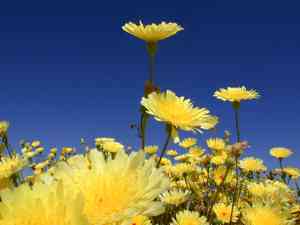
Smooth desertdandelion (Malacothrix glabrata)
Also known as: Smooth Desert Dandelion
Smooth desertdandelion (*Malacothrix glabrata*) is an annual species related to the sunflower family. It thrives in western North America and extends into Mexico. The term "glabrata" in its scientific name signifies its nearly hairless leaves, which is a key identifying feature.
In This Article
Attributes of Smooth desertdandelion
Lifespan
Annual
Plant Type
Herb
Plant Height
15 cm to 36 cm
Spread
30 cm to 60 cm
Leaf Color
Green
Flower Size
2.5 cm to 5 cm
Flower Color
White Yellow
Images of Smooth desertdandelion
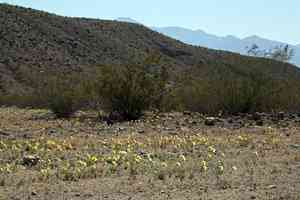
Quickly Identify Smooth desertdandelion
1
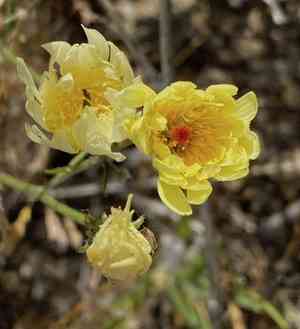
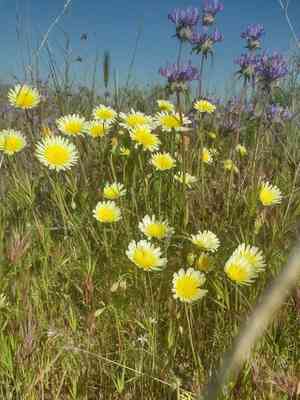
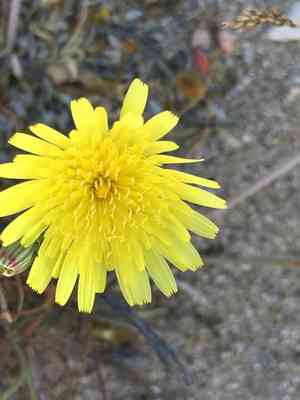
Malacothrix glabrata can be identified by its smooth, slender stems and bright yellow flowers. The leaves are typically linear and toothed, and it often blooms in the spring after winter rains.
Scientific Classification of Smooth desertdandelion
Phylum
Vascular plants
Class
Dicotyledons
Order
Asterales
Family
Daisy
Genus
Desert dandelions
Species
Smooth desertdandelion
Planting and Growing of Smooth desertdandelion
Care Difficulty
Easy
Watering Schedule
Every 2 days
Sunlight Requirements
Full sun
Sunshine Duration
6-10 hours
Ideal Temperature
60-75℉
Soil Type
Potting Mix, Peat Mix
Soil pH
6.5-7.5
Fertilizer Type
Balanced
Pruning Season
Spring, Summer
Pruning Area
Branches, Leaves
Pruning Frequency
2 times a year
Repotting Season
Spring
Pot Type
Plastic, Ceramic
 How to Water Smooth desertdandelion?
When watering Malacothrix glabrata, ensure that you provide about 200 ml of water each time. This amount should be enough to moisten the soil through, but not saturate it. You want to allow the top 2 inches of soil to dry out between waterings to prevent root rot.
What are the symptoms of an underwatered Smooth desertdandelion?
›
What should I do if my Smooth desertdandelion is not getting enough water?
›
What are the symptoms of an overwatered Smooth desertdandelion?
›
How to save an overwatered Smooth desertdandelion?
›
 What Are the Sunlight Requirements for Smooth desertdandelion?
Malacothrix glabrata thrives in full sun, benefiting from the consistent light exposure. Ideal lighting fosters robust growth and vibrant flowering, which are essential for the plant's lifecycles and ecological role.
More About Sunlight Requirements Techniques→
Optimal sunlight exposure
›
Adjusting for seasonal changes
›
Protecting from extreme conditions
›
 What Is the Ideal Temperature Range for Smooth desertdandelion?
Malacothrix glabrata thrives best in temperatures ranging from 60 to 75 degrees Fahrenheit. This range provides the necessary warmth for effective photosynthesis and nutrient uptake, ensuring the plant's growth is robust and healthy.
 What Soil is Best for Smooth desertdandelion?
Malacothrix glabrata prefers well-drained soil, which prevents waterlogging and root rot. This type of soil allows for adequate air circulation around the roots, promoting healthy growth and reducing disease risks. This plant thrives in nutrient-poor soil conditions, similar to its native habitats. Overly fertile soils can lead to excessive foliage growth at the expense of flowering, so light fertility supports balanced growth. Although drought-tolerant, Malacothrix glabrata benefits from soil with moderate moisture retention. This ensures the plant receives enough moisture during dry spells without becoming waterlogged.
 How to Fertilize Smooth desertdandelion?
For Malacothrix glabrata, the recommended fertilizer amount should be fairly moderate. Use approximately half the manufacturer's suggested amount for liquid fertilizer. Over-fertilizing can lead to salt buildup in the soil, which this species is not tolerant of. A balanced 10-10-10 NPK fertilizer formula in diluted form works best for maintaining the health of this delicate plant.
 How to Prune Smooth desertdandelion?
Before pruning, inspect the plant for any signs of pests like aphids or spider mites. Early detection can prevent infestations from spreading and affecting the plant’s health post-pruning. Avoid pruning during overly humid conditions as this might increase the risk of fungal infections. Choose a dry day to ensure wounds heal quickly and the plant remains healthy.
More About Pruning Techniques→
 How to Propagate Smooth desertdandelion plant?
1
Fill a seed tray with well-draining potting mix, such as a combination of peat, perlite, and vermiculite. Ensure the soil is moist but not soggy before placing the seeds on its surface.
2
Scatter the Malacothrix glabrata seeds evenly on the surface of the soil. Lightly press them into the soil to ensure good contact but do not cover them, as they require light to germinate.
3
Mist the surface of the soil lightly with water to avoid disturbing the seeds. Maintain consistent moisture by covering the tray with a plastic cover or placing it under a humidity dome until germination occurs.
 How to Repot Smooth desertdandelion plant?
1
Malacothrix glabrata typically requires repotting when its roots start to outgrow the current pot, you observe reduced growth, or the soil looks compacted. These are signs that the plant could benefit from more space and fresh soil nutrients.
2
Select a pot that is slightly larger than the current one but not too big. A pot with drainage holes is essential for preventing overwatering, which can reduce the risk of root rot. The right pot ensures your plant has space to grow and stays healthy.
3
Choose a well-draining sandy soil mix to mimic its natural habitat. This type of soil prevents water from sitting around the roots, which can lead to rot and disease. A good soil mix also promotes healthy root development and growth.



