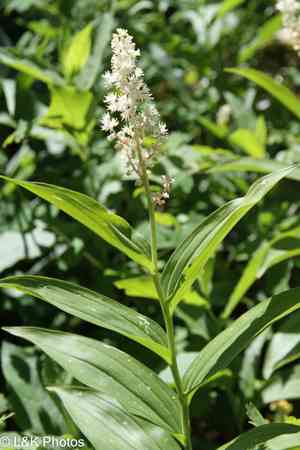
False solomon's seal (Maianthemum racemosum)
Also known as: False spikenard, Treacleberry
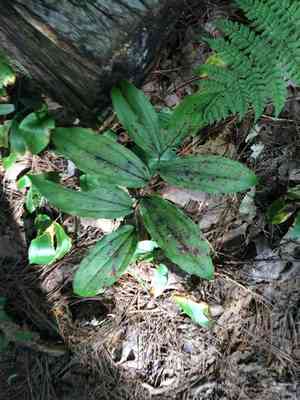
False Solomon's seal (Maianthemum racemosum), also known as Feathery False Lily of the Valley, is a woodland plant native to North America. This plant bears a resemblance to Solomon’s Seal, which is why it's named "false" Solomon's seal; both plants belong to the same family and often coexist in similar habitats. Native American tribes utilized various parts of False Solomon's seal for medicinal purposes. The roots and rhizomes were crafted into teas and poultices to address ailments like coughs, menstrual pain, and rheumatism. Additionally, young shoots were sometimes consumed as a vegetable, and the plant occasionally played a role in ceremonial practices.
Attributes of False solomon's seal
Images of False solomon's seal
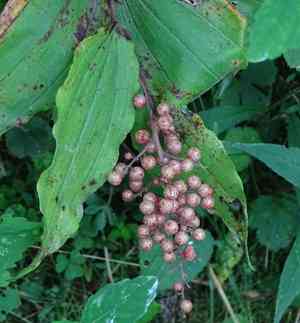
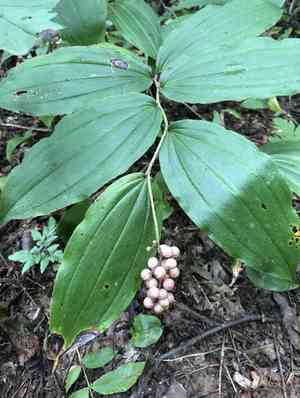
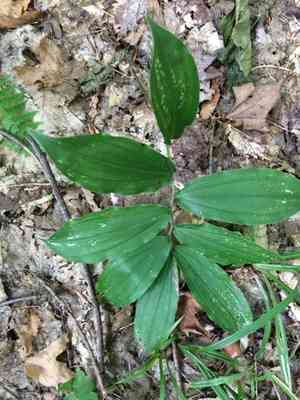
Quickly Identify False solomon's seal
Scientific Classification of False solomon's seal
Toxicity of False solomon's seal
Is False solomon's seal toxic to humans?
False Solomon's seal is a plant that closely resembles several toxic species, making it prudent to steer clear of it and its lookalikes. Even specialists sometimes struggle to differentiate between false Solomon's seal and true Solomon's seal, particularly when the plants are not bearing fruit. Moreover, they find it challenging to distinguish false Solomon's seal berries from the dangerously toxic Baneberry fruit. Baneberry poisoning can cause a reduction in heart rate and potentially result in cardiac arrest. On the other hand, Solomon's seal can lead to severe gastrointestinal distress, followed by convulsions and heart complications. Therefore, it is wise to exercise caution and avoid this plant, along with any similar varieties. Ensure that this plant and any that resemble it are kept away from children and other at-risk individuals.
Is False solomon's seal toxic to cat?
False Solomon's seal presents a mild toxicity hazard to cats. Poisoning in felines may happen if significant amounts of the plant's fruits or leaves are consumed. The repercussions of such toxicity can manifest as symptoms of physical discomfort or illness, underscoring the importance for pet owners to vigilantly observe their animals for any indications of distress. If a cat ingests any portion of false Solomon's seal and displays negative reactions, it is essential to obtain prompt veterinary attention to manage the toxicity effects and safeguard the animal's health.
Is False solomon's seal toxic to dog?
False Solomon's seal presents a modest toxicity risk to dogs. Canines can experience poisoning from this plant mainly if they ingest significant quantities of its fruits or leaves. If a dog consumes false Solomon's seal, it might show symptoms like gastrointestinal disturbances, vomiting, and diarrhea. Given the risk of poisoning, it is vital for dog owners to keep a close eye on their pets and restrict their access to false Solomon's seal. If a dog shows any signs of toxicity after consumption, swift veterinary intervention is essential for timely treatment and recovery.

