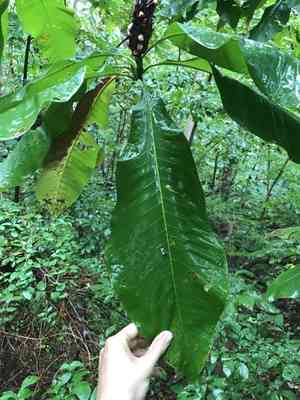
Umbrella tree (Magnolia tripetala)
Also known as: Elkwood
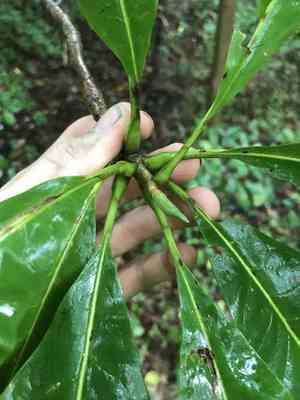
The Magnolia tripetala is known as the "umbrella tree" due to its exceptionally large leaves that radiate outward from the stem, creating an appearance similar to an open umbrella. This tree can reach heights of up to 14 meters. Additionally, its flowers emit an unpleasant odor.
In This Article
Attributes of Umbrella tree
Lifespan
Perennial
Plant Type
Tree
Plant Height
15 m
Spread
4.5 m to 9 m
Leaf Color
Green
Flower Size
15 cm to 25 cm
Flower Color
White Cream Yellow
Images of Umbrella tree
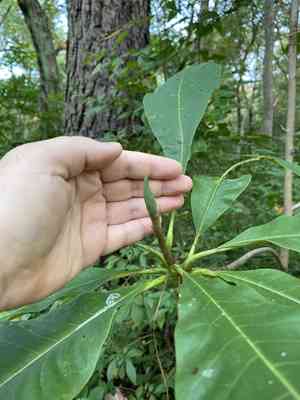
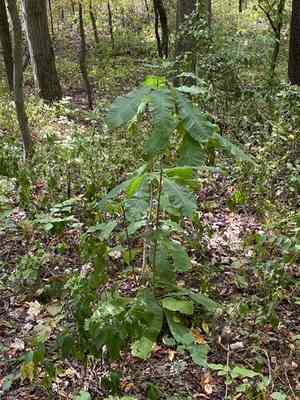
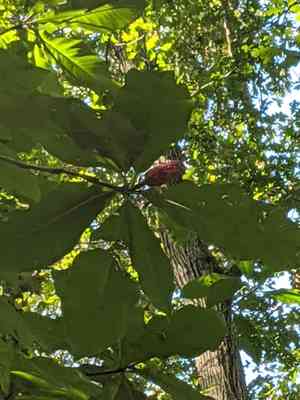
Quickly Identify Umbrella tree
1
Massive leaves cluster at branch tips, reaching 10 to 24 inches (25 to 61 cm) in length.
2
Creamy white blooms with 8-10 inch (20-25 cm) diameter emit distinct unpleasant odor.
3
Fruit forms star-like clusters of 3-5 inch (7.5-12.5 cm) red to pink follicles.
4
Oval leaves are glossy green on top, paler underneath, with bold vein pattern.
5
Thrives in both full sun and near-full shade, requires moist soil and sheltered location.
Scientific Classification of Umbrella tree
Phylum
Vascular plants
Class
Dicotyledons
Order
Magnoliales
Family
Magnolia
Genus
Magnolias
Species
Umbrella tree
Planting and Growing of Umbrella tree
Care Difficulty
Easy
Watering Schedule
Every 3 days
Sunlight Requirements
Partial sun
Sunshine Duration
4-8 hours
Ideal Temperature
60-75℉
Soil Type
Potting Mix, Peat Mix
Soil pH
5-6.5
Fertilizer Type
Balanced
Pruning Season
Spring, Summer
Pruning Area
Branches, Leaves
Pruning Frequency
2 times a year
Repotting Season
Spring
Pot Type
Plastic, Ceramic
 How to Water Umbrella tree?
Magnolia tripetala, known as the umbrella magnolia, requires deep watering to ensure the soil is thoroughly moist. Aim to provide around 2000 ml each time, ensuring water seeps deep into the root zone. This encourages strong root growth and maintains the plant's health.
What are the symptoms of an underwatered Umbrella tree?
›
What should I do if my Umbrella tree is not getting enough water?
›
What are the symptoms of an overwatered Umbrella tree?
›
How to save an overwatered Umbrella tree?
›
 What Are the Sunlight Requirements for Umbrella tree?
Partial sun to full shade suits Magnolia tripetala best. This range offers a balanced environment, catering to both photosynthesis needs and protection from excessive heat. Resulting benefits include stronger root development, brighter foliage, and increased resilience.
More About Sunlight Requirements Techniques→
What is the best location for planting?
›
Can Magnolia tripetala tolerate full sun?
›
What benefits come from ideal light conditions?
›
 What Is the Ideal Temperature Range for Umbrella tree?
For optimal growth, Magnolia tripetala thrives in a temperature range of 60°F to 75°F. This range ensures that the plant's metabolic processes occur efficiently, promoting healthy leaf production and flowering. Consistently maintaining these temperatures helps the plant to resist stress and better utilize water and nutrients.
 What Soil is Best for Umbrella tree?
Magnolia tripetala thrives best in soil that retains adequate moisture without becoming waterlogged. Loamy soil types help in providing the right balance between moisture retention and drainage, ensuring the roots remain healthy. A nutrient-rich soil is crucial for the robust growth of Magnolia tripetala. Loamy soils naturally provide a fertile environment that offers essential nutrients, promoting lush foliage and vibrant blooms. Magnolia tripetala requires soil that allows air to reach the roots. Well-aerated soil, like sandy loam, prevents the soil from becoming compacted, which promotes healthy root systems and enhances growth.
 How to Fertilize Umbrella tree?
For Magnolia tripetala, applying too much or too little fertilizer can cause harm. Use a balanced fertilizer such as a 10-10-10 mix. Apply liquid fertilizer at a dilution of half the recommended strength to ensure the plant absorbs the nutrients effectively without risk of over-fertilization.
 How to Prune Umbrella tree?
The best time to prune your Magnolia tripetala is just after its flowering season. This way, you avoid cutting off next year’s buds while ensuring the plant is well-shaped and remains vibrant throughout the year. Focus on maintaining a natural shape of the tree while pruning. Remove any crossing branches and select a central leader to promote a strong structure. Pay attention to creating an open canopy that allows light and air to penetrate.
More About Pruning Techniques→
 How to Propagate Umbrella tree plant?
1
In early autumn, collect mature seeds from Magnolia tripetala cones. Ensure they are fully ripe for better germination rates. Clean the seeds by removing the pulp and soaking them in water.
2
For cutting propagation, select healthy branches and cut 6-8 inches long during late spring. Remove lower leaves, leaving only a couple at the top to reduce water loss.
3
Prepare seed trays with a sterile potting mix. Sow seeds on the surface and lightly cover them. Keep the trays in a warm, bright spot with regular misting to maintain humidity.
 How to Repot Umbrella tree plant?
1
Monitor the Magnolia tripetala plant for signs that it needs repotting, such as roots growing out of the drainage holes or the soil not retaining water well. These indicators suggest that the plant has outgrown its current pot and needs more space to thrive.
2
Select a pot that is 2-3 inches larger in diameter than the current one to provide adequate room for root expansion. Ensure it has good drainage holes to prevent waterlogging, which is crucial for avoiding root rot and ensuring healthy plant growth.
3
Opt for loamy, well-draining soil rich in organic matter; this soil type provides essential nutrients, retains moisture without becoming waterlogged, and supports healthy root development, crucial for the vigorous growth of Magnolia tripetala.



