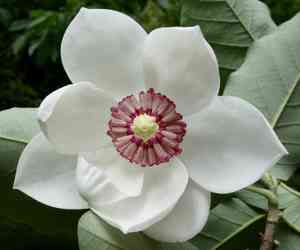
Magnolias (Magnolia) (Magnolia)
Also known as: Magnolia, Champaca, Michelia
Magnolias thrive in warm, temperate climates and can even adapt to cooler regions, offering vibrant color throughout the year. While the grandiflora species is known for its height, there are also smaller varieties suitable for gardens. Notably, the Magnolia is recognized as the state flower of both Mississippi and Louisiana and is emblematic of the American South.
In This Article
Attributes of Magnolias (Magnolia)
Lifespan
Perennial
Plant Height
15 m
Spread
10 m
Leaf Color
Green
Flower Size
6-12 inches (15-30 cm)
Flower Color
White, Pink, Purple, Yellow
Images of Magnolias (Magnolia)
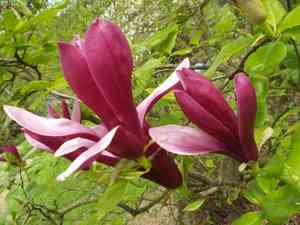
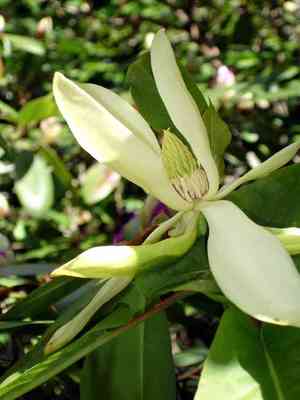
Quickly Identify Magnolias (Magnolia)
1
Magnolias can be identified by their large, fragrant flowers with six to twelve tepals, stout branching, and smooth bark. The leaves are simple, elliptical, and alternately arranged.
Scientific Classification of Magnolias (Magnolia)
Phylum
Magnoliophyta
Class
Magnoliopsida
Order
Magnoliales
Family
Magnoliaceae
Genus
Magnolia
Planting and Growing of Magnolias (Magnolia)
Care Difficulty
Moderate
Watering Schedule
Every 4 days
Sunlight Requirements
Partial sun
Sunshine Duration
6-10 hours
Ideal Temperature
60-75℉
Soil Type
Potting Mix, Peat Mix
Soil pH
5.5-6.5
Fertilizer Type
Balanced
Pruning Season
Spring, Summer
Pruning Area
Branches, Leaves
Pruning Frequency
Once a year
Repotting Season
Spring
Pot Type
Plastic, Ceramic
 How to Water Magnolias (Magnolia)?
For Magnolias, the watering amount should be around 500 milliliters per session. Ensure that the soil is moist but not waterlogged. The water should penetrate deeply, reaching the root system effectively.
What are the symptoms of an underwatered Magnolias (Magnolia)?
›
What should I do if my Magnolias (Magnolia) is not getting enough water?
›
What are the symptoms of an overwatered Magnolias (Magnolia)?
›
How to save an overwatered Magnolias (Magnolia)?
›
 What Are the Sunlight Requirements for Magnolias (Magnolia)?
Magnolias thrive in partial to full sun, benefiting from a balance of light that encourages healthy blooms and leaf growth, enhancing overall plant vigor.
Ideal Outdoor Placement
›
Supplemental Lighting Indoors
›
Seasonal Adjustments
›
 What Is the Ideal Temperature Range for Magnolias (Magnolia)?
Magnolia trees thrive best within the temperature range of 60–75°F. This range ensures favorable conditions for photosynthesis and growth. Maintaining these temperatures helps in the development of healthy foliage and vibrant blooms, while also promoting resistance to diseases and pests.
 What Soil is Best for Magnolias (Magnolia)?
Magnolia trees thrive in well-drained soils, preventing waterlogging which could damage roots and cause poor growth. Ensuring good drainage keeps the tree healthy and robust. Rich organic matter is crucial for magnolias, providing the necessary nutrients for vibrant blooms and steady growth. Organic mulch or compost can enhance soil fertility, positively impacting the plant's health. Magnolias prefer slightly acidic soil which aids in nutrient absorption. This condition helps them flourish, producing lush foliage and stunning flowers. Maintaining soil acidity can prevent nutrient deficiencies.
 How to Fertilize Magnolias (Magnolia)?
When fertilizing Magnolia trees, it is essential to apply an appropriate amount to avoid excessive or insufficient nutrient supply. Typically, you should use 1 pound of fertilizer per inch of trunk diameter in early spring. This ensures that the plant receives enough nutrients to support its growth and flowering without over-fertilizing.
 How to Prune Magnolias (Magnolia)?
Look for branches that cross or rub against each other. Removing these will prevent damage to the bark and improve the overall appearance of the tree. Aim to create an open and balanced shape that allows sunlight to reach all parts of the plant. Cut away any dead, diseased, or damaged branches to encourage new growth and maintain the tree's health. This will also help the magnolia direct energy to healthy branches and develop a stronger structure.
 How to Propagate Magnolias (Magnolia) plant?
1
Gather seeds from mature magnolia pods in autumn. Remove the fleshy outer coating and store them in a cool, dry place until early spring for planting.
2
In early summer, cut healthy, non-flowering shoots around 6 inches long. Remove lower leaves and dip the cut end in rooting hormone before planting.
3
Grafting involves joining a magnolia scion onto a different rootstock. This is often done in early spring when both plants are actively growing to ensure proper fusion.
 How to Repot Magnolias (Magnolia) plant?
1
Magnolias should be repotted when they show signs of being root-bound, such as roots growing through drainage holes or the plant wilting shortly after watering. Ideally, repot in spring or autumn when the plant is not actively flowering, allowing it to adjust to the new pot without stress.
2
Select a pot that is slightly larger than the current one, ideally 2-3 inches wider in diameter. This allows for root expansion without excess soil that retains water and causes root rot. A pot with drainage holes is essential to help excess water escape, preventing soggy roots.
3
Choose a rich, well-draining soil mix, ideally with organic material. This provides essential nutrients, ensures proper aeration, and retains adequate moisture without suffocating or drowning the plant roots.

