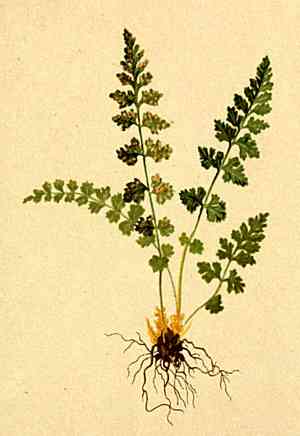
Macrothelypteris (Macrothelypteris) (Macrothelypteris)
Also known as: False Maidenhair, Broad Shield Fern
Macrothelypteris is a genus of ferns in the family Thelypteridaceae, commonly found in tropical and subtropical regions. These ferns typically grow in moist, shaded habitats and are characterized by their large, broad fronds.
In This Article
Attributes of Macrothelypteris (Macrothelypteris)
Lifespan
Perennial
Plant Height
Up to 0.5 meters (1.5 feet)
Spread
Up to 0.5 meters (1.5 feet)
Leaf Color
Green
Flower Size
N/A (ferns do not have flowers)
Flower Color
N/A (ferns do not have flowers)
Images of Macrothelypteris (Macrothelypteris)
Quickly Identify Macrothelypteris (Macrothelypteris)
1
Macrothelypteris can be identified by its large, broad fronds that are typically pinnately divided. The fronds often have a shiny appearance and grow from a creeping rhizome.
Scientific Classification of Macrothelypteris (Macrothelypteris)
Phylum
Pteridophyta
Class
Polypodiopsida
Order
Polypodiales
Family
Thelypteridaceae
Genus
Macrothelypteris
Planting and Growing of Macrothelypteris (Macrothelypteris)
Care Difficulty
Moderate
Watering Schedule
Every 3 days
Sunlight Requirements
Partial sun
Sunshine Duration
4-8 hours
Ideal Temperature
68-77℉
Soil Type
Potting Mix, Peat Mix
Soil pH
6.5-7.5
Fertilizer Type
Balanced
Pruning Season
Spring, Summer
Pruning Area
Branches, Leaves
Pruning Frequency
2 times a year
Repotting Season
Spring
Pot Type
Plastic, Ceramic
 How to Water Macrothelypteris (Macrothelypteris)?
For Macrothelypteris, the ideal watering volume depends on the current season and soil moisture. During warmer months, aim for approximately 200 milliliters per watering session. The goal is to ensure the top inch of the soil is adequately moist but avoid complete saturation to prevent root rot. Ensure water reaches the root zone but stops short of waterlogging the plant.
What are the symptoms of an underwatered Macrothelypteris (Macrothelypteris)?
›
What should I do if my Macrothelypteris (Macrothelypteris) is not getting enough water?
›
What are the symptoms of an overwatered Macrothelypteris (Macrothelypteris)?
›
How to save an overwatered Macrothelypteris (Macrothelypteris)?
›
 What Are the Sunlight Requirements for Macrothelypteris (Macrothelypteris)?
Partial sun and full shade are ideal for Macrothelypteris. This setting offers the perfect balance for photosynthesis and moisture retention, ensuring lush growth and vibrant frond coloration.
Optimal Sunlight Level
›
Achieving Ideal Lighting
›
Benefits of Ideal Lighting
›
 What Is the Ideal Temperature Range for Macrothelypteris (Macrothelypteris)?
The ideal temperature range for Macrothelypteris is between 68°F and 77°F. This range provides the plant with the necessary warmth to thrive and promotes healthy growth. Maintaining these temperatures helps in ensuring optimal metabolic processes and physiological functions.
 What Soil is Best for Macrothelypteris (Macrothelypteris)?
Macrothelypteris thrives in soil that offers excellent drainage. This helps to prevent waterlogging, which is crucial for avoiding root rot. By ensuring good drainage, this plant can efficiently absorb nutrients, promoting healthy growth. The plant flourishes in slightly nutrient-rich conditions. Enriching the soil with organic matter not only boosts growth but also strengthens resilience against pests. Such a soil provides a steady release of necessary nutrients, supporting vigorous foliage. Maintaining a consistently moist soil is key for Macrothelypteris. While it enjoys moisture, it's important the soil doesn’t stay wet for prolonged periods. This balance ensures the plant remains hydrated, supporting energy for photosynthesis and growth.
 How to Fertilize Macrothelypteris (Macrothelypteris)?
When fertilizing Macrothelypteris, use a balanced liquid fertilizer at half the recommended strength. For solid fertilizers, use a general-purpose slow-release type and apply sparingly, as ferns are sensitive to over-fertilization. Begin with one teaspoon per plant, adjusting according to plant response over time.
 How to Prune Macrothelypteris (Macrothelypteris)?
Start by sterilizing your pruning shears to prevent any disease transmission. Identify the older, browning fronds and cut them close to the base. For rejuvenation, occasionally thin out overcrowded areas to boost fresh growth. Always prune from the outer edges toward the center for better shape. For skilled gardeners, consider shaping the plant by selectively trimming to enhance its natural symmetry. Be gentle and observe how the plant responds to avoid over-pruning. Correctional trims can be made to balance the plant's visual appeal while maintaining its health.
 How to Propagate Macrothelypteris (Macrothelypteris) plant?
1
Collect spores by cutting a frond and placing it between two sheets of paper. Spores will fall off as they dry. Ensure you collect healthy and well-formed fronds for optimal spore production.
2
Prepare a sterile and well-draining soil mixture. This is crucial when sowing spores, as sterile conditions minimize the risk of fungal infections and promote healthy growth.
3
Carefully dig up the plant and remove soil around the roots. Use a clean knife or shears to divide the rhizomes, making sure each section has healthy roots and shoots. Replant divisions promptly.
 How to Repot Macrothelypteris (Macrothelypteris) plant?
1
Watch for signs such as slow growth, roots emerging from the pot's drainage holes, or the soil drying out rapidly. These are indicators that it's time to provide your Macrothelypteris with a new home, ideally during its growing seasons in spring or autumn for minimal stress on the plant.
2
Select a pot that is 2-4 inches larger in diameter than the current one. This provides adequate space for the roots to expand without overwhelming them, promoting healthier growth. Ensure it has drainage holes to prevent waterlogging, which can damage the root system.
3
Opt for a well-draining loamy mix enriched with organic matter. This ensures that the soil retains moisture while allowing excess water to drain away quickly, preventing root rot. Such a medium also supplies essential nutrients, supporting robust growth.
Learn More About Macrothelypteris (Macrothelypteris) Diseases
Anthracnose
Bacterial Leaf Spot
Bacterial Soft Rot
Chemical Injury
Cyst Nematode
Damping-off
Downy Mildew
Drought Stress
Fusarium Wilt
Gray Mold
Leaf Spot
Mosaic
Nutrient Deficiency
Nutrient Toxicity
Powdery Mildew
Root Rot
Root-knot Nematode
Rusts
Sooty Mold
Spider Mites
Temperature Stress
Thrips Damage
White Mold

