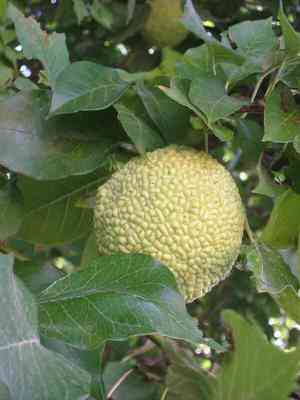
Osage orange (Maclura pomifera)
Also known as: Hedge, Monkey Brains, Mock-Orange, Monkey ball, Hedge apple
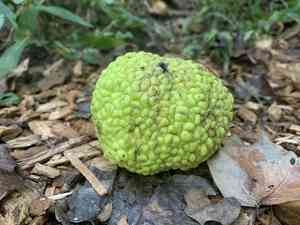
Osage orange, also known as Maclura pomifera, is valued for its versatile wood, ideal for crafting fence posts, tool handles, and archery bows. Additionally, it serves as an effective windbreak and natural hedge. The tree's fruit, which secretes a latex substance, is generally avoided by most animals. Initially green, the fruit turns a yellowish hue as it matures and eventually falls to the ground.
In This Article
Attributes of Osage orange
Lifespan
Perennial
Plant Type
Tree
Plant Height
8 m to 20 m
Spread
12 m
Leaf Color
Green
Flower Size
2.5 cm
Flower Color
Green Yellow
Images of Osage orange
Quickly Identify Osage orange
1
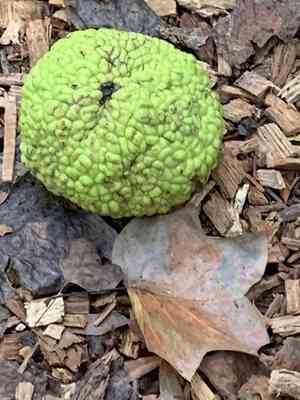
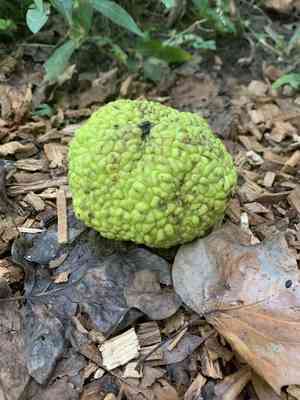
Large, spherical fruits up to 6 inches (15 cm) in diameter, resembling oranges but inedible.
2
Distinctive orange-brown to gray-brown stem bark with zigzag pattern and stout spines.
3
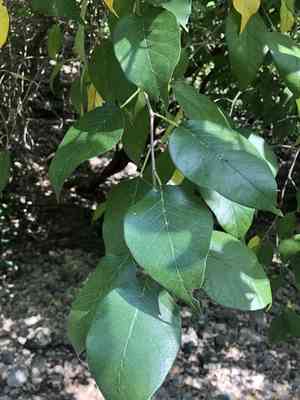
Shiny dark-green lanceolate leaves, 2 1/2 to 5 inches (6.5 to 12.7 cm) long.
4
Rugged, deeply furrowed trunk with orange-brown coloration and ridged bark.
5
Milky sap oozes from stem and leaves when cut, aiding in identification.
Scientific Classification of Osage orange
Phylum
Vascular plants
Class
Dicotyledons
Order
Rosales
Family
Mulberry
Genus
Maclura
Species
Osage orange
Planting and Growing of Osage orange
Care Difficulty
Easy
Watering Schedule
Every 3 days
Sunlight Requirements
Full sun
Sunshine Duration
6-10 hours
Ideal Temperature
60-85℉
Soil Type
Potting Mix, Peat Mix
Soil pH
6.5-7.5
Fertilizer Type
Balanced
Pruning Season
Spring, Summer
Pruning Area
Branches, Leaves
Pruning Frequency
2 times a year
Repotting Season
Spring
Pot Type
Plastic, Ceramic
 How to Water Osage orange?
When watering Maclura pomifera, aim to soak the soil thoroughly but avoid waterlogging. Ensure the soil is moist to a depth of 1-2 inches, which usually requires around 400 ml of water per session.
More About Watering Techniques→
What are the symptoms of an underwatered Osage orange?
›
What should I do if my Osage orange is not getting enough water?
›
What are the symptoms of an overwatered Osage orange?
›
How to save an overwatered Osage orange?
›
 What Are the Sunlight Requirements for Osage orange?
Maclura pomifera thrives in full to partial sun, with ideal conditions providing 6-8 hours of sunlight daily. Adequate light helps maintain healthy growth, enhances fruit production, and ensures the plant remains vigorous and resilient.
More About Sunlight Requirements Techniques→
What is the ideal sunlight condition for Maclura pomifera?
›
How can I provide the proper light for Maclura pomifera?
›
What are the benefits of ideal lighting for Maclura pomifera?
›
 What Is the Ideal Temperature Range for Osage orange?
Maclura pomifera thrives best within a temperature range of 60 to 85°F due to its preference for warm and moderate climates. This range supports optimal biological processes, including photosynthesis and growth. Temperatures within this range typically provide sufficient warmth while preventing heat stress, thus promoting healthy development and stronger resistance to pests.
 What Soil is Best for Osage orange?
Osage orange prefers well-drained soil to ensure healthy root growth. Good drainage prevents waterlogging and reduces the risk of root rot, allowing the plant to thrive. Maclura pomifera does not require highly fertile soils but thrives in moderate fertility. This characteristic means it can adapt to various locations without needing excessive fertilizers, which is advantageous for low-maintenance landscaping. While it prefers well-drained conditions, some moisture retention is essential. This balance helps support the plant during dry periods while preventing excessive dryness.
More About Soil→
 How to Fertilize Osage orange?
When applying fertilizer to Maclura pomifera, it's important to use a balanced approach. A liquid fertilizer should be applied at a rate of approximately 1 tablespoon per gallon of water every two weeks during the growing season. For slow-release fertilizers, you can distribute about 1 pound per 100 square feet around the base of the plant, ensuring that it's well incorporated into the soil.
More About Fertilizing Techniques→
 How to Prune Osage orange?
Maclura pomifera, commonly known as Osage orange, benefits from annual pruning to maintain its structure and improve air circulation. Begin by removing any dead, diseased, or damaged branches. Trim back any suckers growing at the base and thin out crowded areas to allow more light to penetrate the tree. To control the height and spread of your Osage orange, selectively prune back longer branches. Use sharp, clean pruning tools to make precise cuts just above a node or branching point. This encourages new growth and keeps the tree's shape aesthetically pleasing.
More About Pruning Techniques→
 How to Propagate Osage orange plant?
1
Seeds from the fruit of Maclura pomifera are best collected in late autumn when the fruit is fully mature. Thoroughly clean and dry the seeds to prevent mold or decay during storage.
2
Select healthy, disease-free branches during early spring. Cut 6-8 inch sections with at least three nodes, remove bottom leaves, and dip the base in rooting hormone.
3
Plant seeds or cuttings into well-draining soil, ensuring they are firm and upright. Water them regularly but avoid waterlogging to establish a strong root system.
 How to Repot Osage orange plant?
1
Maclura pomifera signals the need for repotting when roots grow out of drainage holes or the plant's growth appears stunted. These signs indicate the roots need more space to spread, ensuring the plant continues to thrive.
2
Select a pot that is 1-2 inches larger in diameter than the current one. Make sure it has drainage holes to prevent waterlogging, which could lead to root rot and negatively impact the plant's health.
3
Opt for well-draining sandy loam soil. This type of soil mimics Maclura pomifera's natural habitat, ensuring adequate drainage and nutrient retention, promoting healthy and robust growth.
Toxicity
Ingestion
WARNING
The judgment on toxicity and danger is for reference only. We DO NOT GUARANTEE any accuracy of such judgment. Therefore, you SHALL NOT rely on such judgment. It is IMPORTANT TO SEEK PROFESSIONAL ADVICE in advance when necessary.



