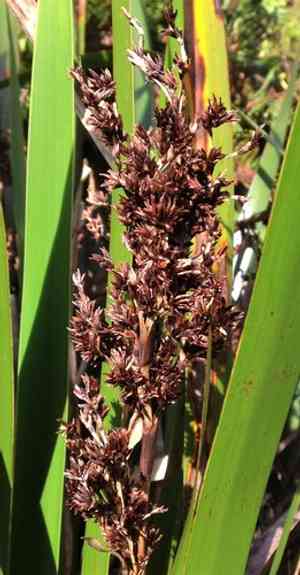
Polynesian twigrush (Machaerina angustifolia)
Also known as: Needleleaf Rush
The common rush (Juncus effusus) is a perennial plant with vibrant green, slender leaves that grow in dense clumps. Its upright structure adds a distinctive vertical element to wetland areas, where it naturally flourishes. This plant is vital for ecosystem stability, thanks to its strong root system that withstands waterlogged conditions, making it a steadfast component of its native habitats.
In This Article
Attributes of Polynesian twigrush
Lifespan
Perennial
Plant Type
Grass
Plant Height
60-150 cm
Spread
N/A (Clumping habit)
Leaf Color
Green
Flower Size
Small, generally less than 1 cm
Flower Color
Brownish or greenish
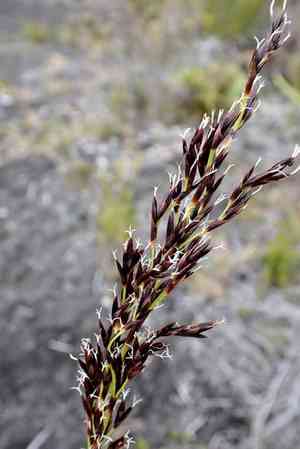
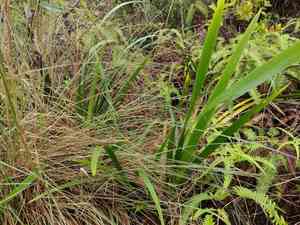
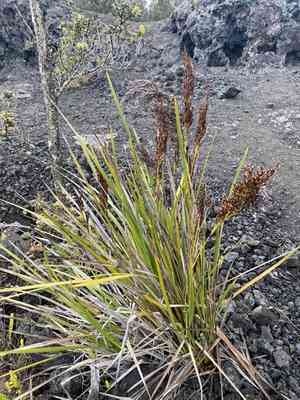
Images of Polynesian twigrush
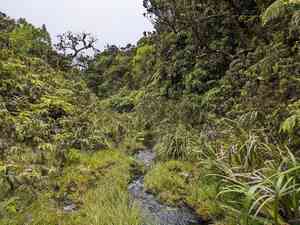
Quickly Identify Polynesian twigrush
1
To identify Machaerina angustifolia, look for its slender, upright stems and narrow, grass-like leaves which are typically less than 4mm wide. The plant often grows in clumps and produces small, inconspicuous flowers in dense clusters.
Scientific Classification of Polynesian twigrush
Phylum
Vascular plants
Class
Monocotyledons
Order
Poales
Family
Sedge
Genus
Twigrush
Species
Polynesian twigrush
Planting and Growing of Polynesian twigrush
Care Difficulty
Easy
Watering Schedule
Every 3 days
Sunlight Requirements
Partial sun
Sunshine Duration
4-6 hours
Ideal Temperature
60-77℉
Soil Type
Potting Mix, Peat Mix
Soil pH
5.5-7.5
Fertilizer Type
Balanced
Pruning Season
Spring, Summer
Pruning Area
Branches, Leaves
Pruning Frequency
2 times a year
Repotting Season
Spring
Pot Type
Plastic, Ceramic
 How to Water Polynesian twigrush?
For Machaerina angustifolia, providing it with around 500 ml of water per session is optimal. The water should saturate the soil evenly but should not cause pooling on the surface. The key is to ensure the root zone receives adequate moisture without drowning the plant.
What are the symptoms of an underwatered Polynesian twigrush?
›
What should I do if my Polynesian twigrush is not getting enough water?
›
What are the symptoms of an overwatered Polynesian twigrush?
›
How to save an overwatered Polynesian twigrush?
›
 What Are the Sunlight Requirements for Polynesian twigrush?
Partial sun conditions are ideal, providing a balance that mimics the plant's native habitat, allowing for optimal photosynthesis and growth without causing stress from intense light.
What type of sunlight does Machaerina angustifolia prefer?
›
How can you achieve ideal lighting for Machaerina angustifolia?
›
What benefits does ideal lighting provide for Machaerina angustifolia?
›
 What Is the Ideal Temperature Range for Polynesian twigrush?
Machaerina angustifolia thrives in warm climates, with ideal temperatures ranging from 60°F to 77°F. These temperatures provide an optimal environment for photosynthesis and nutrient uptake.
 What Soil is Best for Polynesian twigrush?
Machaerina angustifolia thrives in soil that retains moisture well. Ensuring the soil doesn't dry out completely can encourage healthy growth and prevent the plant from becoming stressed during drier periods. The plant benefits from a nutrient-rich soil, which supports robust growth and enhances its natural resilience against diseases. Regularly enriching the soil with organic matter can sustain its health. While it benefits from moisture retention, Machaerina angustifolia also prefers soil with good drainage to prevent waterlogging, which can lead to root rot. Balanced drainage allows the roots to breathe.
 How to Fertilize Polynesian twigrush?
For Machaerina angustifolia, a balanced approach to fertilizing is essential. Use a liquid fertilizer at half the recommended strength, approximately 5 ml per liter of water. When using slow-release fertilizers, apply a small handful around the base of the plant, avoiding contact with stems and leaves.
 How to Prune Polynesian twigrush?
Begin by identifying dead or damaged foliage, using garden shears to cut them back to the base. This helps in directing energy to healthier parts of the plant. When pruning for shape, trim the outer leaves, maintaining the plant's lush, upright form. Gently prune the tips of the leaves to maintain a uniform appearance. By doing so, you encourage a tidier growth pattern, enhancing the Machaerina angustifolia's decorative presence, especially if it’s part of a landscape design.
More About Pruning Techniques→
 How to Propagate Polynesian twigrush plant?
1
Collect seeds from mature plants and clean them thoroughly. Sow seeds evenly on a seed tray filled with a mixture of peat and sand. Gently press the seeds into the surface without covering them too deeply.
2
Divide the plant by carefully lifting it from the ground with a spade. Shake off excess soil and use a sharp knife or spade to separate the clump into smaller sections, ensuring each has roots and shoots.
3
Place each division into well-prepared soil in individual pots or a garden bed. Ensure that the roots are adequately spread out and covered, and water them immediately to help establish contact with the soil.
 How to Repot Polynesian twigrush plant?
1
Repot Machaerina angustifolia when you notice roots circling the pot's edge or if water drains too quickly or poorly. These signs indicate the plant needs more space to grow and fresh nutrients from new soil. Spring and autumn are ideal as the plant is not in full growth, reducing shock.
2
Select a pot only slightly larger than the current one to prevent excessive moisture retention, which could harm the roots. Ensure it has adequate drainage holes. Terracotta pots are excellent as they absorb excess moisture, helping maintain an optimal balance for this moisture-loving plant.
3
Opt for a moist, well-draining soil mix. A soil mix rich in organic matter with added sand or perlite is preferred. This combination retains enough moisture for Machaerina angustifolia while preventing waterlogging, ensuring healthy root development and vigorous growth.
Learn More About Polynesian twigrush Diseases
Anthracnose
Bacterial Leaf Spot
Bacterial Soft Rot
Bacterial Wilt
Black Spot
Chemical Injury
Crown Gall
Cyst Nematode
Damping-off
Downy Mildew
Drought Stress
Fusarium Wilt
Gray Mold
Leaf Curl
Leaf Spot
Mosaic
Nutrient Deficiency
Nutrient Toxicity
Powdery Mildew
Root Rot
Root-knot Nematode
Rusts
Sooty Mold
Spider Mites
Temperature Stress
Thrips Damage
White Mold



