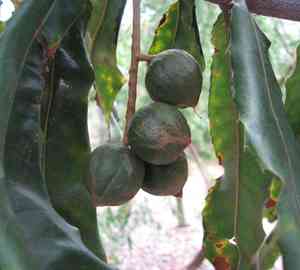
Macadamia nut (Macadamia tetraphylla)
Also known as: Macadamia, Queensland nut
While macadamia nut trees are native to Australia, South Africa has become the top producer of these nuts. Hawaii also plays a significant role in their production.
In This Article
Attributes of Macadamia nut
Lifespan
Perennial
Plant Type
Tree, Shrub
Plant Height
3.5 m to 10 m
Spread
3.5 m to 8 m
Leaf Color
Green
Flower Size
2.5 cm
Flower Color
Pink Cream White Green
Images of Macadamia nut
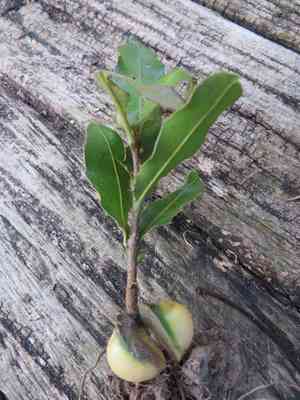
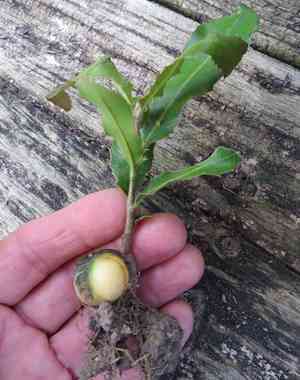
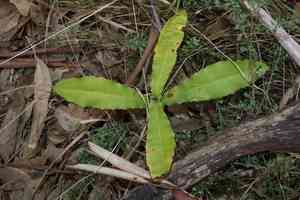
Quickly Identify Macadamia nut
1
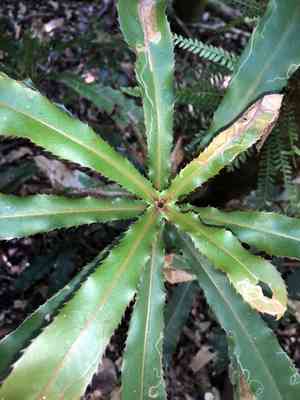
Identify Macadamia tetraphylla by its rough-shelled nuts and leaves arranged in whorls of four. The tree has a spreading crown with cream-colored flowers arranged in long, slender racemes.
Scientific Classification of Macadamia nut
Phylum
Vascular plants
Class
Dicotyledons
Order
Proteales
Family
Protea
Genus
bauple nut
Species
Macadamia nut
Planting and Growing of Macadamia nut
Care Difficulty
Hard
Watering Schedule
Every 4 days
Sunlight Requirements
Full sun
Sunshine Duration
6-10 hours
Ideal Temperature
59-77℉
Soil Type
Potting Mix, Peat Mix
Soil pH
6.5-7.5
Fertilizer Type
Balanced
Pruning Season
Spring, Summer
Pruning Area
Branches, Leaves
Pruning Frequency
2 times a year
Repotting Season
Spring
Pot Type
Plastic, Ceramic
 How to Water Macadamia nut?
For Macadamia tetraphylla, the watering amount should be around 1000 ml per watering session. The soil should be kept consistently moist but not waterlogged. Ensure water penetrates deeply, reaching the roots, without causing excess saturation. The goal is to allow the water to reach root level and promote healthy growth.
What are the symptoms of an underwatered Macadamia nut?
›
What should I do if my Macadamia nut is not getting enough water?
›
What are the symptoms of an overwatered Macadamia nut?
›
How to save an overwatered Macadamia nut?
›
 What Are the Sunlight Requirements for Macadamia nut?
Macadamia tetraphylla prefers full sun to partial sun, ideally with 6 to 8 hours of direct sunlight, promoting robust growth and higher nut yields by facilitating strong photosynthetic activity.
More About Sunlight Requirements Techniques→
What is the best lighting condition for Macadamia tetraphylla?
›
How can I provide ideal lighting for a Macadamia tree in an indoor environment?
›
What are the benefits of maintaining ideal sunlight for Macadamia tetraphylla?
›
 What Is the Ideal Temperature Range for Macadamia nut?
The ideal temperature range for growing Macadamia tetraphylla is between 59°F and 77°F. This range supports optimal growth and fruit development. Maintaining temperatures in this range helps ensure that the plant can carry out photosynthesis effectively, absorb nutrients, and resist diseases.
 What Soil is Best for Macadamia nut?
Macadamia tetraphylla thrives in well-drained soil which prevents root rot and ensures that roots receive adequate oxygen. This drainage capability allows the plant to flourish and produce quality nuts. Having a nutrient-rich soil is essential for the optimal growth of Macadamia tetraphylla, as it provides vital minerals and nutrients necessary for strong root development and nut production. Macadamia tetraphylla requires a soil that maintains consistent moisture levels to support healthy growth. Adequate moisture aids in nutrient absorption and enhances photosynthesis efficiency.
 How to Fertilize Macadamia nut?
For Macadamia tetraphylla, it's important to apply fertilizers thoughtfully. Use around 200 grams of a balanced fertilizer every time you fertilize. This ensures that the plants receive sufficient nutrients without risk of overfeeding, supporting healthy growth and nut production.
 How to Prune Macadamia nut?
Start by removing any dead, diseased, or damaged branches. This not only improves the appearance of the tree but also prevents the spread of potential pathogens. Trim back overgrown branches to maintain a rounded shape, and thin out the dense growth to improve light penetration and air circulation, which promotes healthy growth and reduces the risk of pest infestations. After pruning, apply a balanced fertilizer to promote new growth and water the plant thoroughly to help it recover quickly from the stress of pruning.
More About Pruning Techniques→
 How to Propagate Macadamia nut plant?
1
Start by selecting high-quality Macadamia tetraphylla seeds. Scarify them gently using sandpaper to help water penetration, and soak them in lukewarm water for 24 hours to encourage germination.
2
Choose healthy semi-hardwood cuttings from a mature Macadamia tetraphylla plant. Trim them to a length of about 15 cm, ensuring that each cutting has at least two nodes for successful rooting.
3
Select a healthy scion and rootstock of similar size for grafting. Use the cleft grafting method by making a vertical incision in the rootstock and inserting the scion, securing it with grafting tape.
 How to Repot Macadamia nut plant?
1
Look for signs like slower growth or roots growing out of the drainage holes. These are clear indicators that your Macadamia tetraphylla is becoming root-bound and requires repotting. Early spring or autumn are the best times since the mild climate supports recovery and growth.
2
Select a pot that is only one size larger than the current one to avoid excessive soil that can lead to waterlogging. Ensure it has efficient drainage holes. A terracotta pot is ideal as it is breathable and helps regulate soil moisture, promoting healthy root development.
3
Opt for a well-draining organic potting mix that simulates the plant's natural environment. A mix containing peat, sand, and compost is excellent. This combination retains necessary moisture while allowing excess water to escape, preventing root rot and promoting vigorous growth.
Toxicity
Ingestion
WARNING
The judgment on toxicity and danger is for reference only. We DO NOT GUARANTEE any accuracy of such judgment. Therefore, you SHALL NOT rely on such judgment. It is IMPORTANT TO SEEK PROFESSIONAL ADVICE in advance when necessary.



