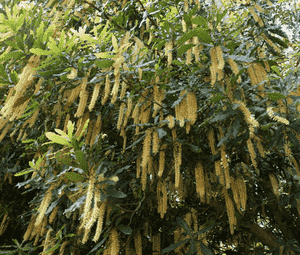
Macademia (Macadamia integrifolia)
Also known as: Bush Nut, Nut Oak, Bauple Nut
The Macadamia tree (Macadamia integrifolia) is an evergreen native to Australia, valued for its nuts. These nuts have been a significant food for Aboriginal Australians for millennia. Introduced to Hawaii in 1837, macadamia nuts have extremely tough shells that require strong industrial husking equipment, as regular nutcrackers are ineffective.
Attributes of Macademia
Images of Macademia
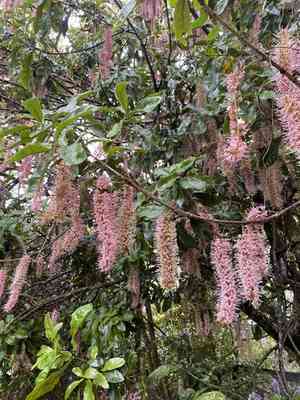
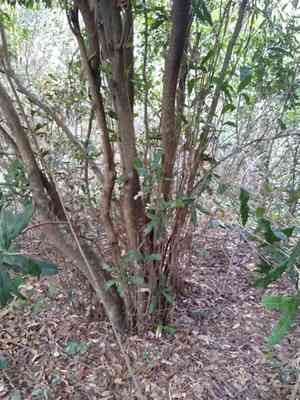
Quickly Identify Macademia
Scientific Classification of Macademia
Planting and Growing of Macademia
 How to Water Macademia?
 What Are the Sunlight Requirements for Macademia?
 What Is the Ideal Temperature Range for Macademia?
 What Soil is Best for Macademia?
 How to Fertilize Macademia?
 How to Prune Macademia?
 How to Propagate Macademia plant?
 How to Repot Macademia plant?
Toxicity of Macademia
Is Macademia toxic to cat?
Macadamia is moderately toxic to cats and can pose a risk if accidentally ingested. Given that the entire plant is poisonous, it is essential to keep all parts of the macadamia out of reach of felines. Cats that come into contact with macadamia may suffer from various forms of distress or illness, underscoring the importance of restricting their access to the plant. In the event of ingestion, pet owners should promptly take their cat to a veterinary clinic for immediate assistance. Ensuring cats are protected from potential dangers such as macadamia is vital for their health and safety.
Is Macademia toxic to dog?
Despite being cherished by numerous individuals, macadamia nuts pose a mild toxicity risk to canines. The primary concern lies with the nuts themselves, as no adverse reactions are associated with other components of the plant. Canines that consume these nuts typically exhibit symptoms such as vomiting, diarrhea, lethargy, and muscle weakness, particularly in their hind legs. Fortunately, cases of macadamia nut poisoning tend to be relatively mild and generally resolve within a day or two.



