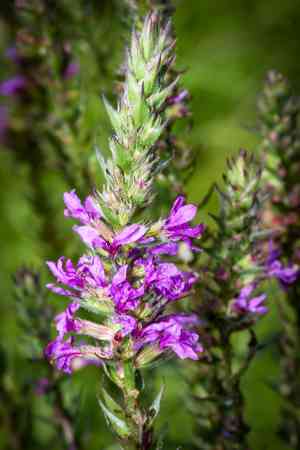
Purple loosestrife (Lythrum salicaria)
Also known as: Purple Loosestrife, Spiked Loosestrife
Purple loosestrife (Lythrum salicaria) is native to Eurasia but has spread to other regions, including parts of Africa and Australia. It is particularly attractive to pollinators like bees and butterflies, and it is also a target for the loosestrife beetle, which feeds on its leaves. In places where it has become invasive, such as North America, purple loosestrife can grow rapidly and overwhelm native plant species. This invasion often leads to reduced biodiversity and disruption of local ecosystems.
In This Article
Attributes of Purple loosestrife
Lifespan
Perennial, Annual
Plant Type
Herb
Plant Height
1 m to 2 m
Spread
60 cm to 90 cm
Leaf Color
Green
Flower Size
1 cm to 2 cm
Flower Color
Pink Purple Red
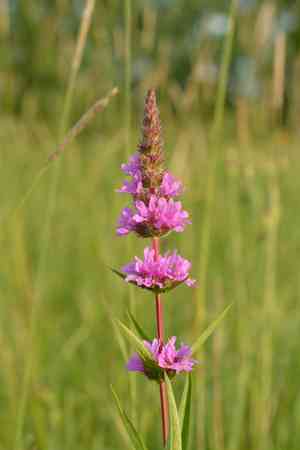
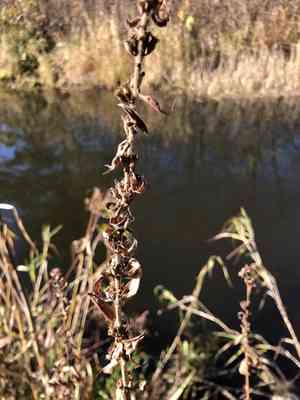
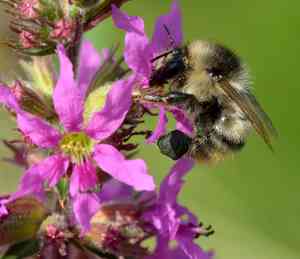
Images of Purple loosestrife
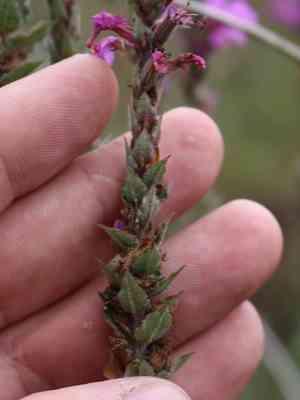
Quickly Identify Purple loosestrife
1
Upright growth up to 4 feet (120 cm) distinguishes purple loosestrife from other plants.
2
Lance-shaped leaves arranged opposite or in whorls aid in purple loosestrife identification.
3
Dense, magenta flowers in long spikes attract butterflies and bees to purple loosestrife.
4
Distinctive 4 to 6-sided stem can reach 3 to 6 feet (90 to 180 cm) in height.
5
Small, tan capsules with minuscule seeds for easy dispersal characterize purple loosestrife's fruit.
Scientific Classification of Purple loosestrife
Phylum
Vascular plants
Class
Dicotyledons
Order
Myrtle order
Family
Loosestrife
Genus
Loosestrifes
Species
Purple loosestrife
Planting and Growing of Purple loosestrife
Care Difficulty
Easy
Watering Schedule
Every 4 days
Sunlight Requirements
Full sun
Sunshine Duration
4-8 hours
Ideal Temperature
55-75℉
Soil Type
Potting Mix, Peat Mix
Soil pH
5.5-7.5
Fertilizer Type
Balanced
Pruning Season
Spring, Summer
Pruning Area
Branches, Leaves
Pruning Frequency
2 times a year
Repotting Season
Spring
Pot Type
Plastic, Ceramic
 How to Water Purple loosestrife?
Watering for Lythrum salicaria should ensure that the soil is thoroughly moist but not waterlogged. It's imperative to dash enough water, usually around 300 ml, to penetrate the root zone without drowning the plant. The frequency should allow the soil to dry out slightly between waterings to prevent root rot.
More About Watering Techniques→
What are the symptoms of an underwatered Purple loosestrife?
›
What should I do if my Purple loosestrife is not getting enough water?
›
What are the symptoms of an overwatered Purple loosestrife?
›
How to save an overwatered Purple loosestrife?
›
 What Are the Sunlight Requirements for Purple loosestrife?
Lythrum salicaria performs best in full sun to partial sun settings. This range ensures healthy growth and abundant flowering, as sunlight plays a key role in driving photosynthesis.
More About Sunlight Requirements Techniques→
What is the ideal lighting solution?
›
How to achieve ideal lighting?
›
Benefits of ideal lighting?
›
 What Is the Ideal Temperature Range for Purple loosestrife?
The ideal temperature range for Lythrum salicaria is between 55°F and 75°F. This range provides optimal conditions for growth, ensuring that the plant can properly develop with adequate metabolic activity. Maintaining this temperature range can help prevent stress on the plant, which can otherwise lead to growth issues or poor flowering.
 What Soil is Best for Purple loosestrife?
Lythrum salicaria thrives in soils that are consistently moist, as this replicates its natural habitat near wetlands and riverbanks. A moisture-rich soil helps ensure that the plant continues to bloom luxuriantly, offering its vibrant purple flowers from summer to early fall. The plant grows best with a steady supply of nutrients commonly found in organically rich loamy and clayey soils. Nutrient-rich soil fosters healthy growth and robust flowering, allowing the plant to reach its full aesthetic and ecological potential. While Lythrum salicaria prefers moist conditions, adequate drainage is crucial to prevent root rot. A soil with good drainage ensures that excess water doesn’t collect around the roots, thus sustaining plant health and vigor.
More About Soil→
 How to Fertilize Purple loosestrife?
For Lythrum salicaria, use a balanced liquid fertilizer diluted to half strength. Typically, 1 to 2 tablespoons per gallon of water is sufficient. This ensures the plant receives nutrients without risking fertilizer burn. Remember, less is often more with delicate plants like Lythrum salicaria.
More About Fertilizing Techniques→
 How to Prune Purple loosestrife?
To prune Lythrum salicaria, start by removing any dead or damaged stems close to the base. Then, selectively thin out older canes to promote light penetration and air circulation. Aim to maintain a balanced shape while encouraging new growth. If the plant has become too tall, cut back the stems by about half their height in early spring. This process not only reduces size but stimulates the development of denser foliage and more flowering shoots.
More About Pruning Techniques→
 How to Propagate Purple loosestrife plant?
1
Collect seeds from mature Lythrum salicaria plants in autumn. Clean them to remove any debris and store them in a cool, dry place. Sow them in seed trays filled with moist potting mix in late spring.
2
In early summer, choose healthy stems for cuttings. Use pruning shears to cut 4-6 inch segments just below a leaf node. Remove lower leaves to enhance root development when planting.
3
In late spring, divide mature Lythrum salicaria plants by carefully lifting the plant and separating the root clumps. Replant the divisions promptly at the same depth as the original plant.
 How to Repot Purple loosestrife plant?
1
Lythrum salicaria should be repotted when you notice its roots starting to circle the bottom of the pot or emerge from the drainage holes. Additionally, if growth appears stunted or the soil dries out more quickly than usual, it may be time to consider repotting, typically in spring or autumn.
2
Select a pot that is one to two inches larger in diameter than the current one. Ensure that the pot has adequate drainage holes to prevent water from accumulating at the bottom, which helps to avoid root rot and ensures healthy growth.
3
Opt for a well-draining loamy soil mix that provides sufficient moisture retention while allowing excess water to escape. This soil type supports healthy root development and meets the plant's moderate nutrient needs.
Learn More About Purple loosestrife Diseases
Anthracnose
Bacterial Leaf Spot
Bacterial Soft Rot
Bacterial Wilt
Chemical Injury
Crown Gall
Cyst Nematode
Damping-off
Downy Mildew
Drought Stress
Fusarium Wilt
Gray Mold
Leaf Spot
Mosaic
Nutrient Deficiency
Nutrient Toxicity
Powdery Mildew
Root Rot
Root-knot Nematode
Rusts
Sooty Mold
Spider Mites
Temperature Stress
Thrips Damage
White Mold



