
Garden loosestrife (Lysimachia christiniae)
Also known as: Garden yellow loosestrife
Garden loosestrife (Lysimachia vulgaris) is a perennial plant known for its distinct appearance, featuring bright yellow star-shaped flowers and lance-shaped leaves arranged in whorls. The stems are tall and upright, often reaching heights of 3 to 5 feet. This plant thrives in moist environments, such as wetlands, riverbanks, and damp meadows, and prefers full sun to partial shade. Its vibrant flowers and rich green foliage make it a striking addition to any garden, although its invasive nature in some regions should be noted. Garden loosestrife's ability to flourish in wet conditions highlights its adaptability and resilience.
In This Article
Attributes of Garden loosestrife
Lifespan
Perennial
Plant Type
Herb
Plant Height
5-10 cm
Spread
30-90 cm
Leaf Color
Green or Golden (variety-dependent)
Flower Size
1-2 cm
Flower Color
Yellow
Images of Garden loosestrife

Quickly Identify Garden loosestrife
1
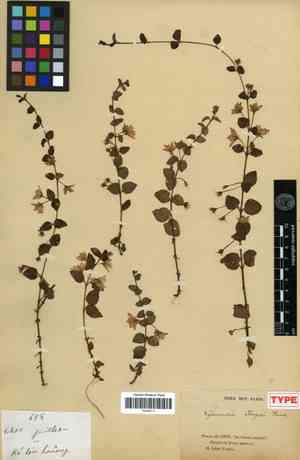
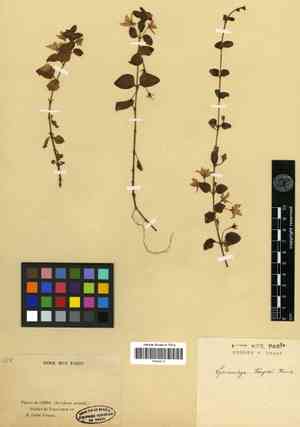
Lysimachia christiniae can be identified by its low-growing, creeping habit and opposite, rounded leaves with a glossy texture. The small, cup-shaped yellow flowers appear in the leaf axils during the growing season.
Scientific Classification of Garden loosestrife
Phylum
Vascular plants
Class
Dicotyledons
Order
Heathers and allies
Family
Primrose
Genus
Loosestrifes
Species
Garden loosestrife
Planting and Growing of Garden loosestrife
Care Difficulty
Easy
Watering Schedule
Every 3 days
Sunlight Requirements
Partial sun
Sunshine Duration
8-12 hours
Ideal Temperature
68-77℉
Soil Type
Potting Mix, Peat Mix
Soil pH
6.5-7.5
Fertilizer Type
Balanced
Pruning Season
Spring, Summer
Pruning Area
Branches, Leaves
Pruning Frequency
2 times a year
Repotting Season
Spring
Pot Type
Plastic, Ceramic
 How to Water Garden loosestrife?
For Lysimachia christiniae, it is essential to water until the soil is evenly moist but not saturated. You should aim to water the plant with about 200ml each time, ensuring that the top inch of the soil feels damp to the touch. This promotes healthy root growth without suffocating them.
What are the symptoms of an underwatered Garden loosestrife?
›
What should I do if my Garden loosestrife is not getting enough water?
›
What are the symptoms of an overwatered Garden loosestrife?
›
How to save an overwatered Garden loosestrife?
›
 What Are the Sunlight Requirements for Garden loosestrife?
Partial sun or full shade is optimal, benefiting Lysimachia christiniae by providing ample light for photosynthesis without the risk of overexposure, thus encouraging lush growth and vibrant foliage.
Best Time of Day for Sunlight
›
Avoiding Intense Afternoon Sun
›
Achieving Balanced Light Throughout the Year
›
 What Is the Ideal Temperature Range for Garden loosestrife?
Lysimachia christiniae thrives best when kept within a temperature range of 68°F to 77°F. This range supports optimal growth and development by ensuring the plant’s physiological processes function efficiently. By maintaining consistent temperatures, you help ensure the plant absorbs nutrients necessary for healthy growth.
 What Soil is Best for Garden loosestrife?
Lysimachia christiniae thrives in well-drained soil that prevents waterlogging, ensuring that the roots remain healthy and the plant grows robustly. The plant prefers soil with moderate moisture, which helps in maintaining the lush green foliage and prevents the leaves from wilting. A nutrient-rich soil ensures the plant gets all necessary nutrients for vibrant growth, resulting in more lush and healthy-looking plants.
 How to Fertilize Garden loosestrife?
For Lysimachia christiniae, apply liquid fertilizer with a concentration of 1/4th the recommended dose on the packaging. For granular fertilizers, use a small handful around the base, ensuring it doesn’t touch the stem.
 How to Prune Garden loosestrife?
Start by identifying the branches that need pruning. Focus on removing any dead, damaged, or diseased branches first to help the plant direct energy into healthier parts. Trim the plant into your desired shape by making small, strategic cuts. This helps in guiding the plant's growth and ensuring it looks aesthetically pleasing. To encourage bushier growth, snip the tips of the plant's branches. This will stimulate side shoots to develop, leading to a fuller appearance.
More About Pruning Techniques→
 How to Propagate Garden loosestrife plant?
1
Choose healthy, disease-free parent plants for propagation to ensure that the cuttings or seeds will have the best chance of thriving. Assess the plant carefully for any signs of pests or diseases before proceeding.
2
Prepare the propagation medium by mixing a well-draining potting mix with components such as perlite. It is important to moisten the medium slightly before planting to encourage root development.
3
Use sanitized shears to take 4-6 inch cuttings from a healthy plant, making cuts just below a leaf node. Remove any leaves near the base before planting them in the prepared propagation medium. Cover the cuttings with a plastic dome or bag to maintain humidity, and place them in indirect sunlight.
 How to Repot Garden loosestrife plant?
1
It's essential to repot Lysimachia christiniae when you notice roots coming through the drainage holes or the plant becomes root-bound. This typically happens every 1-2 years. Repotting during spring or summer gives the plant ample time to recover in optimal growing conditions.
2
Select a pot that is 1-2 inches larger in diameter than the current pot. A pot with drainage holes is crucial to avoid waterlogging, which can lead to root rot. The right pot size and type can help promote healthy root growth and prevent disease.
3
Opt for a well-drained potting mix, ideally one that retains some moisture but doesn’t stay soggy. A mix containing peat moss, perlite, and vermiculite works well. This ensures the roots have access to air, preventing root rot while supporting healthy plant growth.
Learn More About Garden loosestrife Diseases
Anthracnose
Bacterial Leaf Spot
Bacterial Soft Rot
Bacterial Wilt
Crown Gall
Cyst Nematode
Damping-off
Downy Mildew
Drought Stress
Fusarium Wilt
Gray Mold
Leaf Spot
Mosaic
Nutrient Deficiency
Nutrient Toxicity
Powdery Mildew
Root Rot
Root-knot Nematode
Rusts
Sooty Mold
Spider Mites
Temperature Stress
Thrips Damage
White Mold
Chemical Injury



