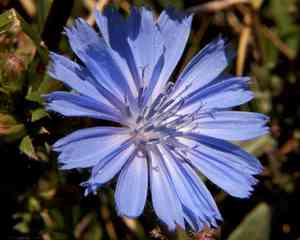
Skeletonplant (Lygodesmia) (Lygodesmia)
Also known as: Skeletonplant
Skeletonplant, native to North America and related to sunflowers, display pinkish-purple blooms. Their green stems often appear leafless, giving them a unique appearance. Commonly found as wildflowers rather than cultivated garden plants, they add a splash of color to natural landscapes.
In This Article
Attributes of Skeletonplant (Lygodesmia)
Lifespan
Lygodesmia generally has a perennial growth cycle.
Plant Height
30-90 cm
Spread
15-30 cm
Leaf Color
Green
Flower Size
2-3 cm
Flower Color
Pink, White
Images of Skeletonplant (Lygodesmia)
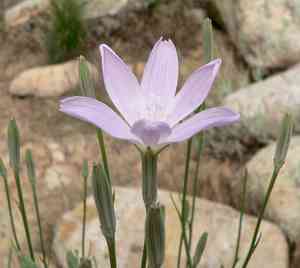
Quickly Identify Skeletonplant (Lygodesmia)
1
Identify Lygodesmia by looking for its slender, almost leafless stems and small pink to white flowers. The flowers are usually about 2-3 cm in diameter and are held in clusters at the ends of the stems.
Scientific Classification of Skeletonplant (Lygodesmia)
Phylum
Tracheophyta
Class
Magnoliopsida
Order
Asterales
Family
Asteraceae
Genus
Lygodesmia
Planting and Growing of Skeletonplant (Lygodesmia)
Care Difficulty
Easy
Watering Schedule
Every 2 days
Sunlight Requirements
Full sun
Sunshine Duration
6-10 hours
Ideal Temperature
60-75℉
Soil Type
Potting Mix, Peat Mix
Soil pH
6.5-7.5
Fertilizer Type
Balanced
Pruning Season
Spring, Summer
Pruning Area
Branches, Leaves
Pruning Frequency
2 times a year
Repotting Season
Spring
Pot Type
Plastic, Ceramic
 How to Water Skeletonplant (Lygodesmia)?
Lygodesmia prefers to thrive in well-drained soil and doesn't require much water to flourish. It's essential to water this plant thoroughly but infrequently, allowing the soil to dry out between waterings. Pour enough water until it's completely moist but not soggy, roughly around 250 ml each time.
What are the symptoms of an underwatered Skeletonplant (Lygodesmia)?
›
What should I do if my Skeletonplant (Lygodesmia) is not getting enough water?
›
What are the symptoms of an overwatered Skeletonplant (Lygodesmia)?
›
How to save an overwatered Skeletonplant (Lygodesmia)?
›
 What Are the Sunlight Requirements for Skeletonplant (Lygodesmia)?
Lygodesmia benefits from full sun conditions. Spending 6 to 8 hours daily in direct sunlight enhances blooming and photosynthesis, promoting lush foliage and robust plant health.
Solution for Optimal Lighting
›
Ensuring Optimal Lighting
›
Benefits of Ideal Lighting
›
 What Is the Ideal Temperature Range for Skeletonplant (Lygodesmia)?
Lygodesmia thrives well within the ideal temperature range of 60°F to 75°F. This range facilitates optimal photosynthesis, encouraging robust growth and vibrant flower production. In maintaining these temperatures, soil and air conditions remain balanced, reducing the risk of thermal stress and promoting a healthy life cycle for the plant.
 What Soil is Best for Skeletonplant (Lygodesmia)?
Lygodesmia thrives in well-draining soils that prevent water from pooling around the roots. This is crucial because waterlogged conditions can lead to root rot and other fungal diseases, hindering the plant's growth. This plant is adapted to poor soil conditions and actually prefers them. Rich, nutrient-laden soils tend to make it grow leggy and less resilient, while nutrient-poor soils help maintain its natural compact form. While Lygodesmia can tolerate a range of soil pH levels, it performs best in slightly alkaline conditions, closer to 7.5. This allows for optimal nutrient uptake and sustains vibrant leaf and flower colors.
 How to Fertilize Skeletonplant (Lygodesmia)?
Lygodesmia plants generally require a balanced amount of nutrients. It's recommended to apply a weak solution of liquid fertilizer at a rate of half the usual concentration. For solid fertilizers, use a handful per plant per session, ensuring the ground is well-moisturized before application to avoid root burn.
 How to Prune Skeletonplant (Lygodesmia)?
Begin by surveying the plant for dead, damaged, or diseased stems. Such stems should be your priority for removal as they can hinder the plant’s growth and health. Use sharp pruning shears to ensure a clean cut. Trim back the central stems to encourage lateral growth. Cutting back the height of the plant slightly allows more light to reach all parts of the plant, stimulating new growth and a fuller appearance. Trim the outer stems to shape the plant according to your desired form. Remember to maintain a natural shape for the plant, keeping in mind the aesthetic and practical reasons for each cut.
 How to Propagate Skeletonplant (Lygodesmia) plant?
1
Collect seeds from the mature plant during the early spring. Ensure the seeds are dry and store them in a cool, dry place until you are ready to sow them in spring.
2
Cut 4-6 inch long sections of healthy stem using sterilized shears. Remove any flowers or buds, and trim the leaves at the bottom to encourage root development.
3
Gently separate the root ball into smaller sections, each containing roots and shoots. Replant these divisions in a well-draining potting mix to ensure successful establishment.
 How to Repot Skeletonplant (Lygodesmia) plant?
1
Look for signs like roots protruding from drainage holes or a noticeable slowdown in growth. These indicate it's time to repot Lygodesmia. Spring and summer are optimal seasons as the plant's growth phase allows it to adapt more smoothly to new conditions.
2
Choose a pot that is just slightly larger than the current one. It should have good drainage holes to prevent waterlogging, which Lygodesmia cannot tolerate. A ceramic pot is often a good choice, promoting both sturdiness and breathability.
3
Select a well-draining sandy mix. This mimics the Lygodesmia's natural habitat and prevents root rot by allowing excess water to drain away efficiently. Sand-enhanced soil ensures roots get enough oxygen, fostering healthier growth.
Learn More About Skeletonplant (Lygodesmia) Diseases
Anthracnose
Bacterial Leaf Spot
Bacterial Wilt
Crown Gall
Cyst Nematode
Damping-off
Downy Mildew
Drought Stress
Fusarium Wilt
Gray Mold
Leaf Spot
Mosaic
Nutrient Deficiency
Nutrient Toxicity
Powdery Mildew
Root Rot
Root-knot Nematode
Rusts
Sooty Mold
Spider Mites
Temperature Stress
Thrips Damage
White Mold

