Chinese wolfberry(Lycium barbarum)

Chinese wolfberry (Lycium barbarum)

Also known as: Mede berry, Chinese boxthorn, Duke of argyll's tea plant, Goji berry, Tibetan goji

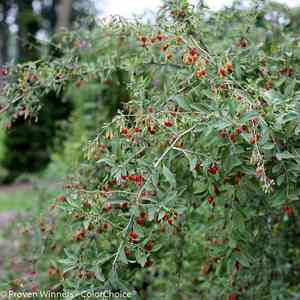
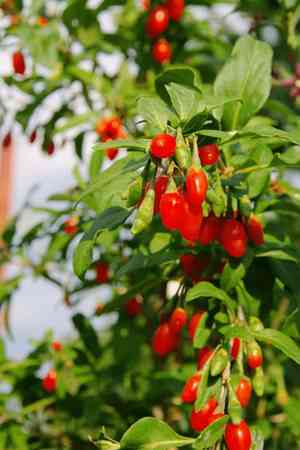
Goji berries are primarily harvested from the plant Lycium barbarum, commonly known as Chinese wolfberry. Key features of this plant include:

1. **Growth Form**: It is a deciduous, woody shrub, not a vine, and typically grows to a height of 1-3 meters.
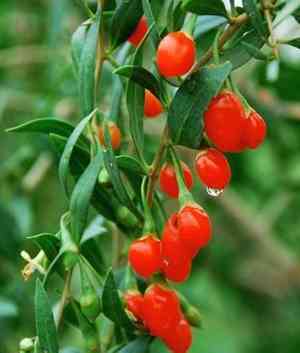
2. **Leaves**: The plant has narrow, lance-shaped leaves.
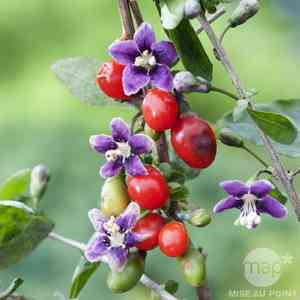
3. **Flowers**: The flowers are bell-shaped and purple in color.
4. **Fruits**: The berries are bright red and ellipsoid in shape, with a tart flavor.

Potential risks associated with the plant are:

1. **Allergic Reactions**: Some people might experience allergies when consuming the berries.
2. **Pesticide Residues**: Non-organic goji berries may have pesticide residues.
3. **Drug Interactions**: Goji berries can interact with certain medications, such as blood thinners.
4. **Toxicity**: The leaves and unripe berries contain toxic alkaloids and should not be consumed in large amounts.

It's advisable to consult a healthcare provider before incorporating goji berries into your diet, especially if you are on medication or have existing health conditions.

Attributes of Chinese wolfberry

Lifespan
Perennial
Plant Type
Shrub, Vine
Plant Height
3 m
Spread
4 m
Leaf Color
Green Gray
Flower Size
2.5 cm
Flower Color
Purple

ForwardPlant - Identify plants with a snap

Identify and diagnose plants, get toxicity alerts, and explore safety guides for all types of fungi.

Try for Free

Images of Chinese wolfberry

Chinese wolfberry(Lycium barbarum)

Quickly Identify Chinese wolfberry

1
Look for a thorny, deciduous shrub with arching branches. The leaves are narrow, elliptical, and have a bright green color. The flowers are small, purple, and bell-shaped, while the berries are bright red or orange-red.

Scientific Classification of Chinese wolfberry

Phylum
Vascular plants
Class
Dicotyledons
Order
Nightshades, bindweeds, gooseweeds, and allies
Family
Nightshade
Genus
Box-thorns
Species
Chinese wolfberry

Planting and Growing of Chinese wolfberry

Care Difficulty
Easy
Watering Schedule
Every 3 days
Sunlight Requirements
Full sun
Sunshine Duration
6-8 hours
Ideal Temperature
60-75℉
Soil Type
Potting Mix, Peat Mix
Soil pH
6.5-7.5
Fertilizer Type
Balanced
Pruning Season
Spring, Summer
Pruning Area
Branches, Leaves
Pruning Frequency
2 times a year
Repotting Season
Spring
Pot Type
Plastic, Ceramic

water icon How to Water Chinese wolfberry?

Lycium barbarum, commonly known as goji berry, requires a balanced watering approach. It's crucial to ensure the soil is consistently moist but not waterlogged. About 500 ml of water per session should suffice for each plant, aiming to cover the root zone adequately without causing standing water.
What are the symptoms of an underwatered Chinese wolfberry?
What should I do if my Chinese wolfberry is not getting enough water?
What are the symptoms of an overwatered Chinese wolfberry?
How to save an overwatered Chinese wolfberry?
More About Watering Techniques

sunlight icon What Are the Sunlight Requirements for Chinese wolfberry?

Sunlight Requirements: Full sun, Partial sun
Duration of light: 6-8 hours of sunlight
The ideal light range for Lycium barbarum is full sun to partial sun exposure, benefiting from 6-8 hours of direct sunlight. This light condition supports robust growth and maximizes its fruit-bearing potential.
How much sunlight does Lycium barbarum need daily?
What kind of light intensity is ideal for Lycium barbarum?
How to ensure proper light distribution in indoor settings?
More About Sunlight Requirements Techniques

temperature icon What Is the Ideal Temperature Range for Chinese wolfberry?

Ideal Temperature: 60 ~ 75℉
The ideal temperature range for cultivating Lycium barbarum, or goji berry plant, is between 60°F and 75°F. This temperature range supports optimal growth and fruit production, ensuring that the plant can thrive and produce a healthy yield.

soil icon What Soil is Best for Chinese wolfberry?

Soil type: Loam, Sandy loam, Calcareous soil
Soil PH: 6.5 ~ 7.5
Lycium barbarum thrives in well-drained soil to prevent root rot. This is because it allows excess water to flow away, ensuring the roots receive adequate oxygen. The plant's ability to flourish decreases in waterlogged conditions. The plant requires soil rich in organic matter to provide essential nutrients that support growth. Such soil ensures healthy berries, robust foliage, and increased resistance to pests and diseases. A balanced moisture level in the soil supports Lycium barbarum's growth and fruit production. Too much water can cause root problems, while too little can stress the plant, affecting its overall health. More About Soil

fertilize icon How to Fertilize Chinese wolfberry?

Fertilizer type: Balanced
Goji berry plants, known scientifically as Lycium barbarum, require careful fertilization to thrive. During the growing season, from spring to early autumn, a balanced liquid fertilizer with a 10-10-10 NPK ratio can be applied monthly, with approximately 1-2 tablespoons per gallon of water. Avoid over-fertilizing, as it can lead to salt buildup in the soil, adversely affecting root health. More About Fertilizing Techniques

prune icon How to Prune Chinese wolfberry?

Pruning Time: Spring, Summer, Autumn, Winter
Start by sterilizing your tools to prevent disease spread. Begin pruning by removing any dead, damaged, or crossing branches. This improves air circulation within the plant, reducing the risk of fungal infections. Next, trim back the longest branches to maintain the desired shape and size of the plant. Aim to create an open center by removing some of the older branches; this allows light penetration and encourages new growth. Finally, always make clean cuts to avoid damaging the plant's stems. More About Pruning Techniques

propagate icon How to Propagate Chinese wolfberry plant?

Propagate Time: Spring, Early summer
1
Ensure the growing medium is well-draining. Mix equal parts of peat moss and perlite. This provides a balance of moisture retention and aeration, which are critical for seed germination and root growth.
2
Plant the seeds about 1/4 inch deep in the prepared medium. Lightly cover with soil and mist with water. Maintain a warm temperature of about 20-25°C until germination occurs, which typically takes 7-14 days.
3
Select a healthy branch and make a clean cut about 4-6 inches from the growing tip. Remove the lower leaves, leaving a few at the top. Dip the cut end in rooting hormone to encourage root development.
More About Propagating Techniques

repot icon How to Repot Chinese wolfberry plant?

Repotting frequency: Every 2-3 years
1
You should repot Lycium barbarum when you notice its roots beginning to emerge from the drainage holes of the pot. This indicates that the plant has outgrown its pot. Additionally, if you observe slowed growth or compacted soil, these are also signs that repotting is needed. Spring and autumn are ideal seasons, as the plant can recover quickly during these periods.
2
When selecting a new pot for your Lycium barbarum, opt for one that is 2 inches larger in diameter than the current pot. Ensure the pot has sufficient drainage holes to prevent water logging, which can cause root rot. A slightly larger pot also allows root expansion and healthier plant growth.
3
Choose a well-draining potting mix for Lycium barbarum to prevent root rot and other moisture-related issues. A mix containing perlite or sand will improve soil aeration and drainage, providing an ideal environment for root growth. This mimics the plant's native growing conditions, promoting healthy development.

ForwardPlant - Identify plants with a snap

Find the best spots for them to optimize their health, simply using your phone.

Try for Free

Toxicity of Chinese wolfberry

Is Chinese wolfberry toxic to cat?

Chinese wolfberry is regarded as toxic to felines. Consuming this plant, especially the fruits and leaves, can result in poisoning if a cat unintentionally ingests them. The possible symptoms linked to the toxicity of Chinese wolfberry may present as indications of physical distress or sickness. Should a cat display any atypical behaviors or signs of illness after coming into contact with Chinese wolfberry, it is crucial to obtain urgent veterinary care, as timely intervention is vital for the health of the affected cat.

Is Chinese wolfberry toxic to dog?

Chinese wolfberry is regarded as toxic to dogs. Canines may unintentionally consume various parts of the plant, including its fruits and leaves, both of which are recognized for their poisonous properties. If a dog ingests any portion of the Chinese wolfberry, they might display symptoms indicative of toxicity. These symptoms could include vomiting, diarrhea, lethargy, abdominal discomfort, or more severe manifestations depending on the quantity consumed and the specific dog’s sensitivity. Dog owners must take care to keep their pets away from Chinese wolfberry and watch for any signs of distress that could suggest accidental ingestion. If a dog is suspected to have ingested Chinese wolfberry, it is essential to seek prompt veterinary assistance to ensure the best possible outcome for the animal.

Identify toxic plants for your safety

Learn which plants are harmful to you and your pets, and make informed choices for a safer home!

Try for Free
WARNING
The judgment on toxicity and danger is for reference only. We DO NOT GUARANTEE any accuracy of such judgment. Therefore, you SHALL NOT rely on such judgment. It is IMPORTANT TO SEEK PROFESSIONAL ADVICE in advance when necessary.
More About Toxic Techniques