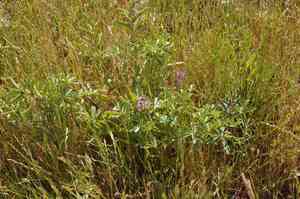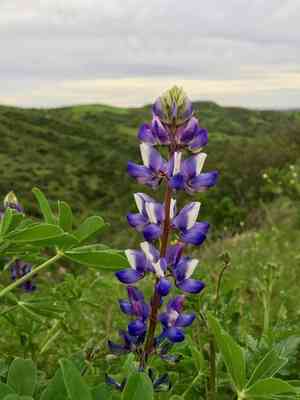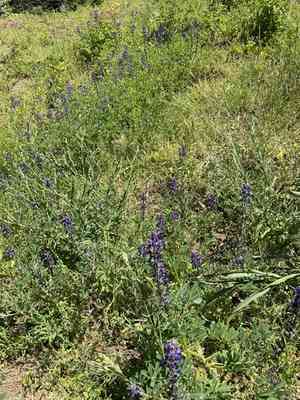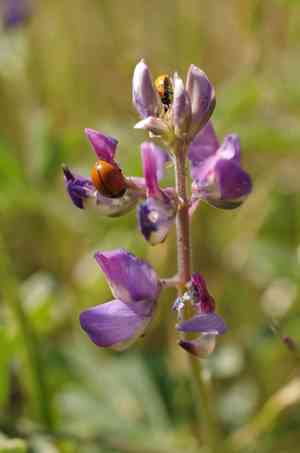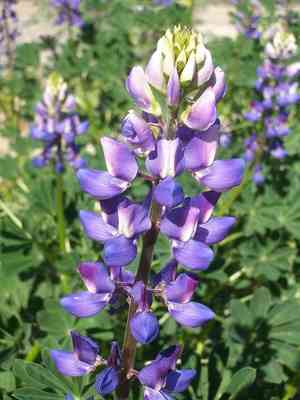
Arroyo lupine(Lupinus succulentus)

Arroyo lupine (Lupinus succulentus)

Also known as: Succulent lupine

The arroyo lupine (Lupinus succulentus) is native to regions of California, Arizona, and Baja California in Mexico. This plant thrives in open spaces and along roadsides. Its uniquely shaped leaves are adapted to gather water from rain or fog, channeling moisture to its roots. Due to its strong root system, it is valuable for land reclamation and stabilizing banks.

Attributes of Arroyo lupine

Lifespan
Annual, Biennial
Plant Type
Herb
Plant Height
1 m
Spread
75 cm
Leaf Color
Green
Flower Size
1.2 cm to 1.8 cm
Flower Color
Purple Blue White Yellow Pink Red

ForwardPlant - Identify plants with a snap

Identify and diagnose plants, get toxicity alerts, and explore safety guides for all types of fungi.

Try for Free

Images of Arroyo lupine

Arroyo lupine(Lupinus succulentus)

Quickly Identify Arroyo lupine

1
Identification of Lupinus succulentus can be done by looking for its palmately compound leaves with 5 to 9 leaflets, blue to purple pea-like flowers arranged in dense racemes, and its thick, succulent stems.

Scientific Classification of Arroyo lupine

Phylum
Vascular plants
Class
Dicotyledons
Order
Fabales
Family
Legume
Genus
Lupines
Species
Arroyo lupine

Planting and Growing of Arroyo lupine

Care Difficulty
Easy
Watering Schedule
Every 8 days
Sunlight Requirements
Full sun
Sunshine Duration
4-8 hours
Ideal Temperature
50-77℉
Soil Type
Potting Mix, Peat Mix
Soil pH
6.5-7.5
Fertilizer Type
Balanced
Pruning Season
Spring, Summer
Pruning Area
Branches, Leaves
Pruning Frequency
2 times a year
Repotting Season
Spring
Pot Type
Plastic, Ceramic

water icon How to Water Arroyo lupine?

For Lupinus succulentus, you should aim to keep the soil consistently moist but not waterlogged. Water until the first inch of soil is soaked then allow it to dry slightly between waterings. The general rule is to provide around 500 ml each time, depending on the climate and pot size.
What are the symptoms of an underwatered Arroyo lupine? ›
What should I do if my Arroyo lupine is not getting enough water? ›
What are the symptoms of an overwatered Arroyo lupine? ›
How to save an overwatered Arroyo lupine? ›

sunlight icon What Are the Sunlight Requirements for Arroyo lupine?

Sunlight Requirements: Full sun, Partial sun
Duration of light: 6 to 8 hours
Lupinus succulentus ideally receives 6 to 8 hours of full sun. This amount of sunlight enables healthy growth, robust foliage, and plenty of beautiful flowers, enhancing its ornamental appeal.
What is the ideal light condition for Lupinus succulentus? ›
Why does Lupinus succulentus prefer these light conditions? ›
How can I achieve these light conditions? ›
More About Sunlight Requirements Techniques→

temperature icon What Is the Ideal Temperature Range for Arroyo lupine?

Ideal Temperature: 50 ~ 77℉
The ideal temperature range for Lupinus succulentus, commonly known as Arroyo Lupine, is between 50°F and 77°F. Within this range, the plant can thrive and perform optimally, showing vigorous growth and vibrant flowering. This temperature range provides a stable environment that balances warmth and moisture retention, crucial for the plant’s physiological processes.

soil icon What Soil is Best for Arroyo lupine?

Soil type: Sandy soil, Loam, Sandy loam
Soil PH: 6.5 ~ 7.5
Lupinus succulentus thrives in well-draining soil to prevent root rot and ensure adequate oxygen reaches the roots. This type of soil allows excess water to drain away quickly, reducing the risk of waterlogging, which is beneficial for healthy root development. To support its rapid growth and vibrant flowering, Lupinus succulentus requires nutrient-rich soil. Incorporating organic matter such as compost can significantly improve soil fertility, providing essential nutrients that enhance the plant's overall vigor and flowering potential. While this plant prefers well-draining soil, it also needs moderate moisture to thrive. Balancing moisture levels ensures the plant receives adequate hydration without the risk of drowning or drying out, promoting consistent growth and bloom.

fertilize icon How to Fertilize Arroyo lupine?

Fertilizer type: Balanced
For Lupinus succulentus, use a balanced 10-10-10 liquid fertilizer at a concentration of half the recommended strength. Apply approximately 200 ml of this diluted mix per plant to avoid over-fertilization. Ensure that the soil is moist during application to minimize root burn.

prune icon How to Prune Arroyo lupine?

Pruning Time: Spring, Summer
Begin by removing any dead or damaged stems and foliage to allow for sunlight penetration and airflow. Use clean, sharp pruning shears to make clean cuts. Focus on removing spent flower spikes to encourage continuous blooming. Trim back any wayward or excessively leggy stems to maintain the plant's shape and encourage bushier growth. After pruning, ensure the plant receives adequate water and nutrients to support new growth. Consider applying a balanced fertilizer to promote healthy development. Regularly check for pests and diseases, as freshly pruned areas can be more susceptible to infestations. More About Pruning Techniques→

propagate icon How to Propagate Arroyo lupine plant?

Propagate Time: Early spring,Late spring
1
Before sowing, soak the seeds in warm water for 12-24 hours to enhance germination rates. This helps to soften the seed coat, allowing easier water absorption and quicker germination.
2
Fill the seed tray with moistened potting mix, and sow the Lupinus succulentus seeds approximately 1/4 inch deep. Ensure the seeds are evenly spaced to prevent overcrowding, which can impede growth and development of healthy seedlings.
3
Place the tray in a location with bright, indirect sunlight and maintain a consistent temperature of around 65-70°F (18-21°C). Keep the soil moist but not soggy, watering gently to avoid disturbing the seeds.
More About Propagating Techniques→

repot icon How to Repot Arroyo lupine plant?

Repotting frequency: Every 1-2 years
1
Lupinus succulentus may need repotting when roots are visible through drainage holes, the soil drains poorly, or growth has slowed significantly. Ideal timing is during spring or early summer’s growth period, as this supports recovery.
2
Select a pot that is one size up from the current one, ensuring it has drainage holes. A terra cotta pot is ideal as it allows for breathability and helps prevent root rot by encouraging moisture evaporation.
3
Opt for a well-draining sandy mix enriched with organic matter. This composition provides Lupinus succulentus with excellent drainage to prevent waterlogging while supplying necessary nutrients for robust growth.

ForwardPlant - Identify plants with a snap

Find the best spots for them to optimize their health, simply using your phone.

Try for Free

Toxicity of Arroyo lupine

Is Arroyo lupine toxic to humans?

Arroyo lupine presents a moderate toxicity risk to humans, chiefly through skin exposure or consumption. This plant contains alkaloids, which are the source of its toxic characteristics. If the seeds, leaves, or stems of arroyo lupine are touched or ingested, they can trigger allergic responses or poisoning. Symptoms associated with poison from arroyo lupine may involve gastrointestinal issues, including nausea, vomiting, and diarrhea, in addition to possible skin irritation or allergic dermatitis upon contact. It is crucial to exercise caution around arroyo lupine, particularly for those who are sensitive to alkaloids, to avoid unintentional poisoning or allergic reactions.

Is Arroyo lupine toxic to cat?

Arroyo lupine carries a mild level of toxicity for cats, which can lead to harmful consequences if they come into contact with or inadvertently consume any part of the plant. The seeds, leaves, and stems are all laced with alkaloids that could pose a risk to their health. Following exposure, a cat may display signs of physical discomfort or distress. Due to these potential dangers, it is crucial for any cat suspected of arroyo lupine poisoning to seek prompt veterinary attention to reduce adverse effects and safeguard the cat's health.

Is Arroyo lupine toxic to dog?

Arroyo lupine is regarded as mildly toxic to dogs. These canines may experience poisoning from arroyo lupine through skin exposure or by accidentally consuming parts of the plant. The seeds, leaves, and stems are the most frequently toxic components. When a dog comes into contact with or ingests these parts of arroyo lupine, it may display symptoms such as digestive disturbances, lethargy, and more serious indications depending on the quantity consumed. The toxic effects are primarily attributed to the alkaloids found in arroyo lupine. In any incident of suspected poisoning from arroyo lupine, it is crucial for pet owners to obtain immediate veterinary assistance to ensure appropriate treatment and care.

Identify toxic plants for your safety

Learn which plants are harmful to you and your pets, and make informed choices for a safer home!

Try for Free
WARNING
The judgment on toxicity and danger is for reference only. We DO NOT GUARANTEE any accuracy of such judgment. Therefore, you SHALL NOT rely on such judgment. It is IMPORTANT TO SEEK PROFESSIONAL ADVICE in advance when necessary.
More About Toxic Techniques→