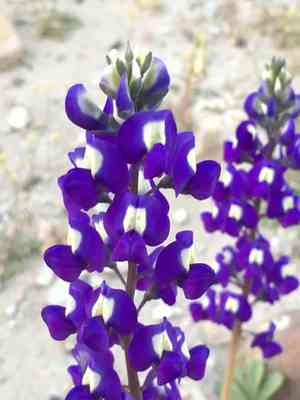
Mojave lupine (Lupinus odoratus)
Also known as: Fragrant Lupine, Scented Lupine
The Lupine, particularly the Mojave lupine, is a charming flowering plant prized for its sweet scent, making it a favorite in many gardens. It features tall, striking spikes filled with densely clustered, pea-shaped flowers that range in color from purples and blues to sometimes whites. The plant's palmate leaves, consisting of multiple leaflets fanning out from a single point, add to its visual appeal. Lupines flourish in well-drained soil with plenty of sunlight and utilize a deep taproot to reach water, helping them thrive in arid conditions.
In This Article
Attributes of Mojave lupine
Lifespan
Annual
Plant Type
Herb
Plant Height
1 to 3 feet (30 to 90 cm)
Spread
1 to 2 feet (30 to 60 cm)
Leaf Color
Green
Flower Size
0.5 to 1.5 inches (1.3 to 3.8 cm)
Flower Color
Blue, Purple, Violet
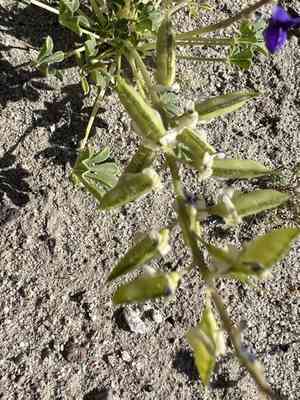
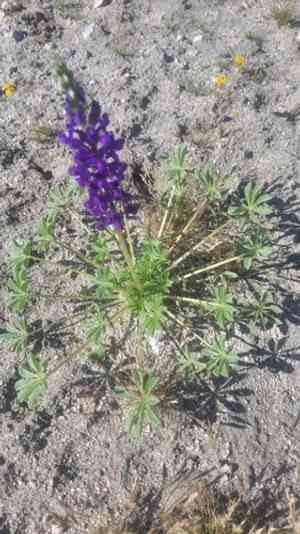
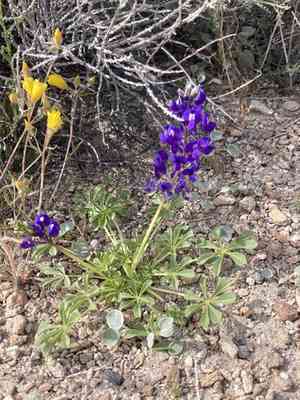
Images of Mojave lupine
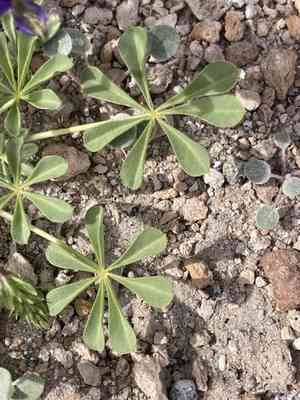
Quickly Identify Mojave lupine
1
Look for compound leaves with 9-17 lanceolate leaflets arranged in a palmate fashion. The flowers are usually fragrant and come in shades of blue, purple, or violet. The plant grows erect with stems that can be quite hairy.
Scientific Classification of Mojave lupine
Phylum
Vascular plants
Class
Dicotyledons
Order
Fabales
Family
Legume
Genus
Lupines
Species
Mojave lupine
Planting and Growing of Mojave lupine
Care Difficulty
Moderate
Watering Schedule
Every 4 days
Sunlight Requirements
Partial sun
Sunshine Duration
6-10 hours
Ideal Temperature
60-75℉
Soil Type
Potting Mix, Peat Mix
Soil pH
6.5-7.5
Fertilizer Type
Balanced
Pruning Season
Spring, Summer
Pruning Area
Branches, Leaves
Pruning Frequency
2 times a year
Repotting Season
Spring
Pot Type
Plastic, Ceramic
 How to Water Mojave lupine?
For Lupinus odoratus, it's crucial to maintain consistent soil moisture without making it too soggy. Water until the top 2 inches of soil are moist but not waterlogged, ensuring excess water drains well to avoid root rot.
What are the symptoms of an underwatered Mojave lupine?
›
What should I do if my Mojave lupine is not getting enough water?
›
What are the symptoms of an overwatered Mojave lupine?
›
How to save an overwatered Mojave lupine?
›
 What Are the Sunlight Requirements for Mojave lupine?
The plant ideally thrives with partial sun exposure, benefitting from early morning or late afternoon sunlight, ensuring robust growth and vibrant blooms.
How to ensure ideal lighting?
›
What happens with ideal light conditions?
›
What are the solutions for ideal lighting?
›
 What Is the Ideal Temperature Range for Mojave lupine?
The ideal temperature range for Lupinus odoratus is between 60°F and 75°F. This range allows the plant to thrive by providing the optimal conditions for photosynthesis and growth. Maintaining temperatures within this range helps ensure healthy foliage, vibrant blooms, and overall plant vitality.
 What Soil is Best for Mojave lupine?
Lupinus odoratus thrives in well-drained soils, preventing root rot and other moisture-related issues. The drainage keeps roots aerated and healthy, ensuring robust growth. The plant prefers soil with moderate fertility. Overly rich soil can promote excessive foliage growth at the expense of flowering, so balanced nutrition is key. Maintaining consistent soil moisture is crucial. While Lupinus odoratus doesn't like to be waterlogged, a steady supply of moisture supports its flowering and overall vigor.
 How to Fertilize Mojave lupine?
When fertilizing Lupinus odoratus, it is important to apply a balanced approach. For liquid fertilizers, use a solution at half-strength, ensuring not to exceed 1 tablespoon per gallon of water for each plant. This amount provides adequate nutrients without risking root burn or nutrient overload. Be cautious with solid fertilizers, applying around 1/4 cup per application per plant, which will sustain healthy growth and flowering.
 How to Prune Mojave lupine?
Start by removing any dead or damaged stems to promote healthier growth. Trim back flowering stalks after blooming to encourage new blooms and prevent seeding. Shape the plant by cutting back excess growth to maintain its desired form. While pruning is beneficial, over-pruning can stress the plant. It's important to leave sufficient foliage intact for photosynthesis. A well-balanced plant promotes faster recovery and more vigorous growth.
More About Pruning Techniques→
 How to Propagate Mojave lupine plant?
1
Gather seeds from mature plants in late autumn. Ensure seeds are dry and clean before storing them. Store seeds in a cool, dry place until you are ready to use them in early spring.
2
Use a well-draining potting mix for seed propagation. The mixture should be light and airy to facilitate good drainage and allow for healthy root development.
3
In early spring, sow seeds into prepared trays. Cover them lightly with soil and water gently. Maintain consistent moisture until germination occurs, which typically takes about two weeks.
 How to Repot Mojave lupine plant?
1
Lupinus odoratus signals its need for repotting through roots protruding from the pot's drainage holes or when growth appears stunted. Ideal timing is during the growing phases of spring or autumn when the plant can best recover from any root disturbance, ensuring optimal growth and health in its new environment.
2
Select a pot that is 1-2 inches larger in diameter than the current one and has ample drainage holes. This provides enough room for root expansion and prevents waterlogging, which can cause root rot. A sturdy ceramic or clay pot also helps maintain stability for this tall-growing plant.
3
Opt for a well-draining, rich soil mix that is slightly acidic to neutral, providing essential nutrients and preventing over-saturation. Ingredients like peat, perlite, and organic compost enhance aeration and nutrient availability, promoting healthy root development and beautiful blooms.
Toxicity
Ingestion
WARNING
The judgment on toxicity and danger is for reference only. We DO NOT GUARANTEE any accuracy of such judgment. Therefore, you SHALL NOT rely on such judgment. It is IMPORTANT TO SEEK PROFESSIONAL ADVICE in advance when necessary.
Learn More About Mojave lupine Diseases
Anthracnose
Bacterial Leaf Spot
Bacterial Wilt
Chemical Injury
Crown Gall
Cyst Nematode
Damping-off
Downy Mildew
Drought Stress
Fusarium Wilt
Gray Mold
Leaf Spot
Mosaic
Nutrient Deficiency
Nutrient Toxicity
Powdery Mildew
Root Rot
Root-knot Nematode
Rusts
Sooty Mold
Spider Mites
Temperature Stress
Thrips Damage
White Mold


