
Lupines (Lupinus) (Lupinus)
Also known as: Great basin lupine
There are more than 200 species of lupines around the globe. Known for their vibrant and varied colors, the name "lupine" comes from the Latin word for "wolf," as it was mistakenly thought that these plants drained the soil of its nutrients. Contrary to this belief, lupines actually enhance soil quality and are now utilized for this beneficial trait.
In This Article
Attributes of Lupines (Lupinus)
Lifespan
Annual, Biennial, Perennial
Plant Height
1.5 m
Spread
50 cm
Leaf Color
Green to silvery green
Flower Size
1-2 cm (0.4-0.8 inches)
Flower Color
Blue, purple, pink, white, yellow
Images of Lupines (Lupinus)



Quickly Identify Lupines (Lupinus)
1
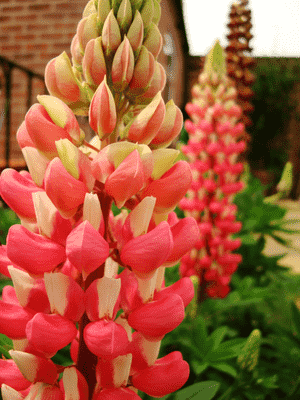
Lupines can be identified by their palmately divided leaves, each with 5-17 leaflets radiating from a central point. The flowers are typically arranged in dense, showy spikes and come in a variety of colors including blue, purple, pink, and white.
Scientific Classification of Lupines (Lupinus)
Phylum
Magnoliophyta
Class
Magnoliopsida
Order
Fabales
Family
Fabaceae
Genus
Lupinus
Planting and Growing of Lupines (Lupinus)
Care Difficulty
Moderate
Watering Schedule
Every 2 days
Sunlight Requirements
Full sun
Sunshine Duration
4-8 hours
Ideal Temperature
60-70℉
Soil Type
Potting Mix, Peat Mix
Soil pH
6-7.5
Fertilizer Type
Balanced
Pruning Season
Spring, Summer
Pruning Area
Branches, Leaves
Pruning Frequency
2 times a year
Repotting Season
Spring
Pot Type
Plastic, Ceramic
 How to Water Lupines (Lupinus)?
Lupinus plants require a balance in watering; they are best watered deeply but infrequently. Ensuring the soil is moist but not waterlogged mimics their natural habitat, encouraging deep root growth. Allow the top inch of soil to dry out between waterings to maintain optimal root health.
What are the symptoms of an underwatered Lupines (Lupinus)?
›
What should I do if my Lupines (Lupinus) is not getting enough water?
›
What are the symptoms of an overwatered Lupines (Lupinus)?
›
How to save an overwatered Lupines (Lupinus)?
›
 What Are the Sunlight Requirements for Lupines (Lupinus)?
Lupinus ideally needs full sun to partial sun exposure, with benefits including strong flowering, vigorous growth, and enhanced disease resistance. Adequate light ensures healthy development and reproduction.
What lighting conditions does Lupinus prefer?
›
How can you provide optimal lighting for Lupinus?
›
What benefits does Lupinus gain from receiving ideal lighting?
›
 What Is the Ideal Temperature Range for Lupines (Lupinus)?
The ideal temperature range for Lupinus plants is essential for optimal growth and flowering. It's important to maintain temperatures between 60°F to 70°F to ensure that the plant can carry out photosynthesis efficiently and produce beautiful blooms. This range allows the plant's metabolism to function correctly, promoting healthy growth in both foliage and flowers.
 What Soil is Best for Lupines (Lupinus)?
Lupinus thrives in well-drained soils as it prevents root rot and other fungal diseases. This requirement ensures that the roots get enough oxygen and don't remain waterlogged, promoting healthy root development and robust plant growth. While Lupinus can adapt to poorer soils, a moderate fertility level supports more vigorous growth and flowering. The addition of organic matter can enhance soil fertility, providing essential nutrients that contribute to a healthy and vibrant plant. Lupinus prefers a soil pH ranging from 6.0 to 7.5. This range allows optimal nutrient availability and uptake, fostering healthy growth and superior flowering. Monitoring and adjusting soil pH can help prevent nutrient deficiencies.
 How to Fertilize Lupines (Lupinus)?
For lupines, the fertilizer amount needs to be carefully measured. When using liquid fertilizer, dilute it to half the recommended strength and apply approximately one liter per plant. In the case of solid or slow-release fertilizers, use about 50 grams per plant annually, ensuring even distribution around the base of the plant.
 How to Prune Lupines (Lupinus)?
After the initial blooming period in spring, cut back dead flowers to encourage a second flowering. Use clean shears to remove flower spikes where they meet healthy leaves, stimulating further bloom and tidying the plant. In the late summer or early autumn, trim back the foliage by cutting down stems that have started to yellow. This helps the plant conserve energy through the winter and prepares it for more vigorous growth in spring.
 How to Propagate Lupines (Lupinus) plant?
1
Scarification of the seeds is necessary to break dormancy and encourage germination. Gently rub the seed coat with sandpaper or a file before sowing to improve germination rates.
2
Select healthy stems that are disease-free from the lupine plant. Use a sterilized pruning shear to cut the stem just below a node, which allows better rooting abilities.
3
After preparing, sow the seeds or plant the cuttings in a seed tray or pot filled with well-draining potting mix. Ensure there is adequate space between each seed or cutting for optimal growth.
 How to Repot Lupines (Lupinus) plant?
1
Repot your Lupinus when you notice it becoming root-bound, signaled by roots growing out from drainage holes or stunted growth. Ideal repotting time is when the plant is not in full bloom, preferably at the beginning of its growing season.
2
Select a container slightly larger than the previous one to allow for growth. Ensure it has adequate drainage holes. A pot that's too large may retain excessive moisture, leading to root rot, while too small will restrict the plant's growth.
3
Opt for a well-drained sandy mix, often enriched with organic matter. This type of soil ensures adequate air and moisture flow, preventing water-logging, which Lupinus is prone to. Avoid heavy or clayey soils which can lead to root suffocation.

