
Annual honesty (Lunaria annua)
Also known as: Money plant, Moonwort
Lunaria annua, named for its moon-shaped seedpods, is often called "honesty" or "annual honesty." Its distinctive, coin-like seedpods have also led to common names such as "silver dollar plant," "Chinese money," and "money plant."
In This Article
Attributes of Annual honesty
Lifespan
Biennial, Annual, Perennial
Plant Type
Herb
Plant Height
90 cm
Spread
30 cm
Leaf Color
Green
Flower Size
5 mm to 1 cm
Flower Color
White Purple Pink Violet Mauve
Images of Annual honesty
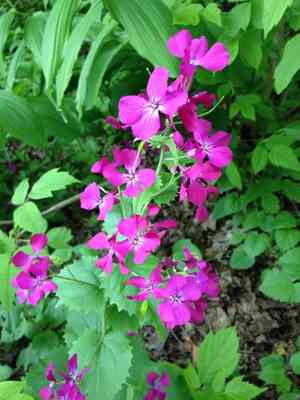
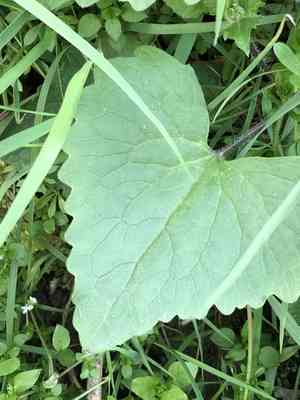
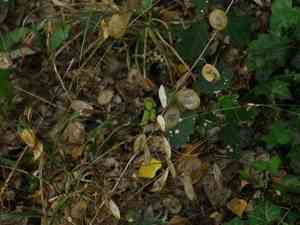
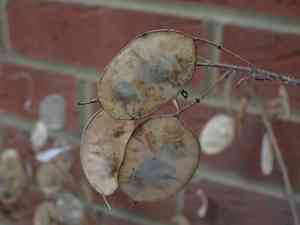
Quickly Identify Annual honesty
1
Orbicular, translucent, flat seedpods resembling a full moon.
2
Terminal racemes with 1/2 inch flowers in pink, white, or purple.
3
Broad-ovate, heart-shaped leaves with coarsely dentate margins.
4
Erect, hairy stems reaching 2-3 feet tall with green to reddish-green color.
5
Fruit pods grow to 1.5 inches, become silvery and translucent with pearly white septum.
Scientific Classification of Annual honesty
Phylum
Vascular plants
Class
Dicotyledons
Order
Brassicales
Family
Cruciferae
Genus
Honesties
Species
Annual honesty
Planting and Growing of Annual honesty
Care Difficulty
Easy
Watering Schedule
Every 3 days
Sunlight Requirements
Partial sun
Sunshine Duration
4-8 hours
Ideal Temperature
60-75℉
Soil Type
Potting Mix, Peat Mix
Soil pH
6.5-7.5
Fertilizer Type
Balanced
Pruning Season
Spring, Summer
Pruning Area
Branches, Leaves
Pruning Frequency
2 times a year
Repotting Season
Spring
Pot Type
Plastic, Ceramic
 How to Water Annual honesty?
Lunaria annua appreciates consistent watering but not excessive moisture. Aim to provide about 250 milliliters of water each time to keeping the soil slightly moist, not saturated. Use a container with effective drainage to avoid water logging.
More About Watering Techniques→
What are the symptoms of an underwatered Annual honesty?
›
What should I do if my Annual honesty is not getting enough water?
›
What are the symptoms of an overwatered Annual honesty?
›
How to save an overwatered Annual honesty?
›
 What Are the Sunlight Requirements for Annual honesty?
Lunaria annua thrives in partial sun, where it gets gentle morning sun and afternoon shade. This balance ensures healthy growth and prevents heat stress, resulting in lush, vibrant plants.
More About Sunlight Requirements Techniques→
Optimal duration of sunlight
›
Natural habitat simulation
›
Improved growth outcomes
›
 What Is the Ideal Temperature Range for Annual honesty?
Lunaria annua thrives best in a moderate climate with temperatures ranging from 60°F to 75°F. These temperatures provide optimal conditions for the plant's growth, ensuring healthy foliage and vibrant blooms. Within this range, the plant can maintain its metabolic processes efficiently, leading to better flowering and overall vigor.
 What Soil is Best for Annual honesty?
Lunaria annua thrives in nutrient-rich soils that provide essential minerals and organic matter. Such substrates enhance root growth and promote lush foliage, ensuring vibrant flowering and overall plant health. Well-draining soil is crucial to prevent waterlogging, which can lead to root rot. For Lunaria annua, maintaining proper drainage supports healthy root development and reduces the risk of disease. Keeping the soil slightly moist but not soggy is ideal for Lunaria annua. This balance maintains hydration without drowning the roots, encouraging steady growth and sustained flowering.
More About Soil→
 How to Fertilize Annual honesty?
For Lunaria annua, a moderate amount of fertilizer is recommended. Use approximately half the recommended dosage for general flowering plants to avoid over-fertilization. Ensure a balanced ratio of nitrogen, phosphorus, and potassium in the fertilizer to promote healthy growth and vibrant flowers.
More About Fertilizing Techniques→
 How to Prune Annual honesty?
Use sharp scissors or pruning shears for precise cuts. Ensure your tools are clean and sanitized to prevent disease spread within your Lunaria annua plants. Prune your Lunaria annua during the spring or early summer when the plant is actively growing. Avoid pruning during extreme temperatures to reduce plant stress.
More About Pruning Techniques→
 How to Propagate Annual honesty plant?
1
Fill the seed trays with a well-draining seed-starting mix. Lightly firm the soil surface to create an even base for sowing the seeds, ensuring that it remains loose enough for root penetration.
2
Scatter Lunaria annua seeds evenly across the prepared soil surface. Cover lightly with a thin layer of soil or vermiculite to protect seeds from being disturbed, and water gently to settle them in.
3
Place the seed trays in a location with indirect light. Ensure temperatures are consistent with early spring conditions, ideally between 15-20°C, to foster germination within two to three weeks.
 How to Repot Annual honesty plant?
1
Lunaria annua shows signs it's ready for repotting when it appears root-bound or its growth has slowed. If roots are visible through drainage holes, it’s a clear indicator time for a larger pot. Spring or autumn are ideal seasons for repotting as the plant is in a state of growth or dormancy, allowing it to quickly adapt to new conditions.
2
Select a pot that is one size larger than the current one and has sufficient drainage holes. Opting for a clay or ceramic pot can be beneficial as these materials are porous, allowing excess moisture to evaporate. This reduces the risk of root rot and keeps the roots healthy.
3
Use a well-draining potting mix that retains enough moisture to nourish the plant but drains efficiently. A mix including compost, perlite, and sand offers a good balance. This type of soil prevents root rot by allowing excess water to escape, ensuring the plant gets enough oxygen.
Learn More About Annual honesty Diseases
Anthracnose
Bacterial Leaf Spot
Bacterial Soft Rot
Bacterial Wilt
Chemical Injury
Clubroot
Crown Gall
Cyst Nematode
Damping-off
Downy Mildew
Drought Stress
Fusarium Wilt
Gray Mold
Leaf Spot
Mosaic
Nutrient Deficiency
Nutrient Toxicity
Powdery Mildew
Root Rot
Root-knot Nematode
Rusts
Sooty Mold
Spider Mites
Temperature Stress
Thrips Damage
White Mold



