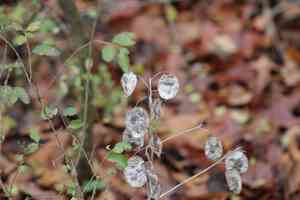
Honesties (Lunaria) (Lunaria)
Also known as: Money-in-both-pockets, Moonworts
Honesty plants, part of the mustard family, are popular ornamental plants known for their attractive flowers and distinctive disc-shaped seed pods. The translucent, silvery pods are particularly notable, giving rise to the genus name "Lunaria," which means "moon-like." These unique seed pods symbolize honesty, a representation that dates back to the European Renaissance.
In This Article
Attributes of Honesties (Lunaria)
Lifespan
Biennial
Plant Height
30-100 cm
Spread
20-30 cm
Leaf Color
Green
Flower Size
2-3 cm
Flower Color
Purple, White
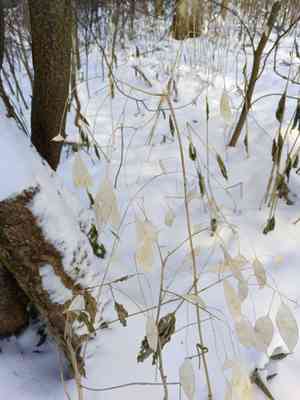
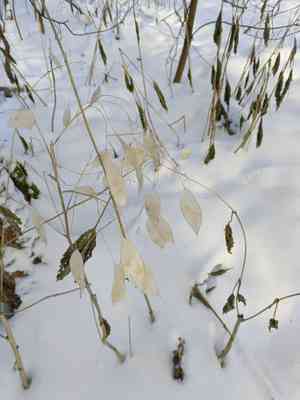
Images of Honesties (Lunaria)
Quickly Identify Honesties (Lunaria)
1
Lunaria can be identified by its oval-shaped, silver seed pods that resemble coins, which form after the flowering season. The flowers are typically purple or white and have four petals.
Scientific Classification of Honesties (Lunaria)
Phylum
Tracheophyta
Class
Magnoliopsida
Order
Brassicales
Family
Brassicaceae
Genus
Lunaria
Planting and Growing of Honesties (Lunaria)
Care Difficulty
Easy
Watering Schedule
Every 2 days
Sunlight Requirements
Partial sun
Sunshine Duration
4-8 hours
Ideal Temperature
60-70℉
Soil Type
Potting Mix, Peat Mix
Soil pH
6.5-7.5
Fertilizer Type
Balanced
Pruning Season
Spring, Summer
Pruning Area
Branches, Leaves
Pruning Frequency
2 times a year
Repotting Season
Spring
Pot Type
Plastic, Ceramic
 How to Water Honesties (Lunaria)?
Lunaria plants should be watered thoroughly until the soil is evenly moist, ensuring water penetrates down to the root zone. Use approximately 250 ml per watering and allow excess water to drain freely, avoiding waterlogged conditions which can harm the roots.
What are the symptoms of an underwatered Honesties (Lunaria)?
›
What should I do if my Honesties (Lunaria) is not getting enough water?
›
What are the symptoms of an overwatered Honesties (Lunaria)?
›
How to save an overwatered Honesties (Lunaria)?
›
 What Are the Sunlight Requirements for Honesties (Lunaria)?
Lunaria ideally enjoys partial sun, benefiting from a balance of light and shade throughout the day. Ideal lighting enhances its ability to produce vibrant, profuse blooms and maintain healthy foliage, contributing to its decorative appeal.
How much sunlight does Lunaria need?
›
How to ensure Lunaria gets ideal lighting?
›
Benefits of ideal lighting for Lunaria?
›
 What Is the Ideal Temperature Range for Honesties (Lunaria)?
Lunaria thrives in a mild temperature range ideal for its growth, which lies between 60°F and 70°F. This range ensures optimal photosynthesis and metabolic processes, supporting healthy foliage and flowering. Maintaining this temperature range indoors or outdoors, particularly during the growing season, can greatly enhance plant vigor and aesthetics, thus promoting thriving blooms and lush green leaves.
 What Soil is Best for Honesties (Lunaria)?
Lunaria thrives in well-drained soil, which prevents root waterlogging and encourages robust root development. This condition ensures that the plant can uptake essential nutrients efficiently, promoting healthy growth and vibrant blooms. A nutrient-rich medium is essential for Lunaria. Fertile soil provides the necessary minerals and nutrients for optimal growth. This results in lush foliage and increased seed pod production, adding aesthetic value and ensuring the plant's reproductive success. The presence of humus improves soil structure and water retention, providing Lunaria with a consistent moisture supply. This natural amendment enhances microbial activity, leading to better soil health and plant vitality, ensuring enduring growth and resilience.
 How to Fertilize Honesties (Lunaria)?
Lunaria, also known as the honesty plant, requires moderate fertilization. When using liquid fertilizer, dilute it to half the recommended strength to avoid over-fertilization. For slow-release fertilizers, use approximately one tablespoon per plant, ensuring even distribution around the base.
 How to Prune Honesties (Lunaria)?
Start by inspecting the plant for any dead or damaged stems and remove them carefully with clean, sharp pruning shears to prevent disease spread. Trim back any excessively long stems to maintain the desired shape of the plant. To make Lunaria grow bushier, pinch off the tips of new growth during the spring and summer. This encourages the plant to produce new shoots, making it fuller and more robust. Once the flowering season is over, cut back the flower stalks to promote seed production or to tidy up the plant’s appearance. This helps in channeling the plant’s energy to produce vibrant green foliage.
 How to Propagate Honesties (Lunaria) plant?
1
Prepare a seed starting mix composed of equal parts peat moss, vermiculite, and perlite. This mix provides excellent aeration and moisture retention, promoting the sprouting of Lunaria seeds.
2
Sow the Lunaria seeds thinly on the surface of the seed starting mix. They require light for germination so avoid covering them with soil, but gently press them onto the surface to ensure contact.
3
Keep the seed trays in a warm, bright location with plenty of indirect sunlight. Using a mist spray, maintain the mix moderately moist but not soggy to facilitate proper germination. Avoid direct sunlight to prevent excessive drying.
 How to Repot Honesties (Lunaria) plant?
1
The ideal time to repot Lunaria is when you notice the plant has become root-bound, with roots growing through the drainage holes. Another sign is if the soil dries out quickly after watering. The best seasons for repotting are early spring or early autumn, when the plant experiences mild growth periods and can adjust more easily.
2
Select a pot that's 2-3 inches larger in diameter than the current one. Ensure it has a drainage hole to prevent waterlogging. A terracotta pot is often preferable because it helps wick away excess moisture, which is beneficial for Lunaria's well-being.
3
Opt for a well-draining potting mix to prevent root rot and maintain good aeration. A mixture containing peat, perlite, and some organic matter is ideal. This composition will hold enough moisture without becoming soggy, allowing your plant to thrive.
Learn More About Honesties (Lunaria) Diseases
Anthracnose
Bacterial Leaf Spot
Bacterial Soft Rot
Clubroot
Crown Gall
Cyst Nematode
Damping-off
Downy Mildew
Drought Stress
Fusarium Wilt
Gray Mold
Leaf Spot
Mosaic
Nutrient Deficiency
Nutrient Toxicity
Powdery Mildew
Root Rot
Root-knot Nematode
Rusts
Sooty Mold
Spider Mites
Temperature Stress
Thrips Damage
White Mold
Chemical Injury

