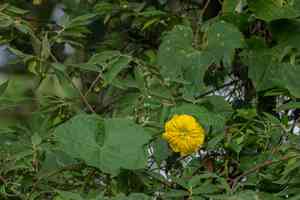
Luffa cylindrica (Luffa cylindrica)
Also known as: Sponge gourd, Smooth Loofah, Vegetable Sponge, Gourd Towel
Luffa aegyptiaca, also known as the sponge gourd, Egyptian cucumber or Vietnamese luffa, is a vine species that grows annually. This plant, primarily grown for its fruit, traces its roots back to South and Southeast Asia.
In This Article
Attributes of Luffa cylindrica
Lifespan
Luffa cylindrica, commonly known as sponge gourd, typically has a growing cycle of 4-6 months.
Plant Height
12-15 meters
Spread
Not applicable - it's a vine plant
Leaf Color
Green
Flower Size
3-4 cm
Flower Color
Yellow
Images of Luffa cylindrica
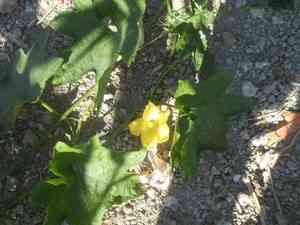
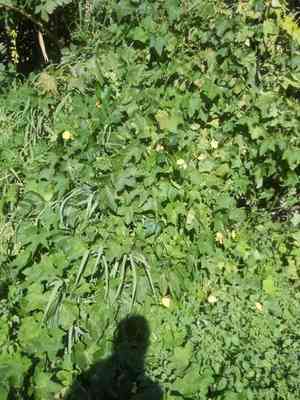
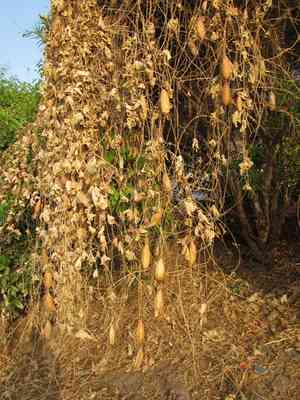
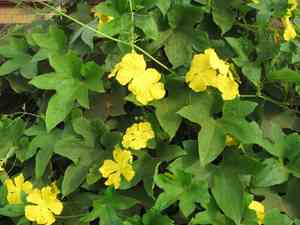
Quickly Identify Luffa cylindrica
1
This plant is recognised by its yellow flowers and the oblong, smooth-surfaced fruit. The green, ridged skin covers the white, crisp interior which contains rounded seeds.
Scientific Classification of Luffa cylindrica
Phylum
Tracheophyta
Class
Magnoliopsida
Order
Cucurbitales
Family
Cucurbitaceae
Genus
Luffa
Species
L. aegyptiaca
Planting and Growing of Luffa cylindrica
Care Difficulty
Moderate
Watering Schedule
Every 8 days
Sunlight Requirements
Full sun
Sunshine Duration
6-10 hours
Ideal Temperature
65-85℉
Soil Type
Potting Mix, Peat Mix
Soil pH
6.5-7.5
Fertilizer Type
Balanced
Pruning Season
Spring, Summer
Pruning Area
Branches, Leaves
Pruning Frequency
2 times a year
Repotting Season
Spring
Pot Type
Plastic, Ceramic
 How to Water Luffa cylindrica?
For Luffa cylindrica, ensure the soil is consistently moist but not waterlogged. Water with about 500 ml per session, allowing the moisture to reach deep enough to sustain the roots without oversaturating.
What are the symptoms of an underwatered Luffa cylindrica?
›
What should I do if my Luffa cylindrica is not getting enough water?
›
What are the symptoms of an overwatered Luffa cylindrica?
›
How to save an overwatered Luffa cylindrica?
›
 What Are the Sunlight Requirements for Luffa cylindrica?
Luffa cylindrica ideally requires partial to full sun. Proper lighting ensures vibrant growth, abundant flowering, and healthier fruit, resulting in a more productive plant.
What is the best lighting condition for Luffa cylindrica?
›
How can I ensure my Luffa cylindrica plant receives optimal light?
›
What happens if Luffa cylindrica gets ideal lighting conditions?
›
 What Is the Ideal Temperature Range for Luffa cylindrica?
For optimal growth, Luffa cylindrica thrives in temperatures between 65°F and 85°F. This range ensures effective photosynthesis, promoting healthy growth and fruit production. Maintaining this temperature range helps minimize stress and increases resistance to pests and diseases.
 What Soil is Best for Luffa cylindrica?
Luffa cylindrica thrives in well-draining soil that prevents waterlogging. This type of soil helps ensure that the roots receive adequate oxygen, minimizing the risk of root rot and other water-related diseases. Well-draining soil also fosters healthier plant growth by facilitating proper nutrient uptake. This plant prefers soil rich in organic matter to support its vigorous growth. Nutrient-rich soil provides essential minerals such as nitrogen and phosphorus, crucial for the plant's development of large, healthy fruits. Luffa cylindrica performs best in slightly acidic to neutral conditions with a pH range of 6.5 to 7.5. This pH balance ensures optimal nutrient availability and prevents deficiencies or toxicities that could impair growth.
 How to Fertilize Luffa cylindrica?
For Luffa cylindrica, it's important to use balanced fertilizers with equal ratios of nitrogen, phosphorus, and potassium. When applying liquid fertilizer, dilute it to half its strength and use approximately 1 liter per square meter. For slow-release fertilizers, apply them sparingly and follow package instructions for dosage, typically involving around 50 grams per plant.
 How to Prune Luffa cylindrica?
Always wear gloves to protect your hands from prickly stems and potential irritants. Ensure that your pruning tools are sterilized before use to prevent the spread of disease. After pruning, clean and oil the tools to maintain their condition for future use. Wearing protective eyewear can protect you from any flying debris while cutting the stems. After pruning your Luffa cylindrica, ensure that the plant receives adequate sunlight and water to promote recovery and growth. During the growing season, consider providing a balanced fertilizer to supply essential nutrients. Monitor the plant regularly for signs of stress or pest infestation and address issues promptly to maintain plant health.
 How to Propagate Luffa cylindrica plant?
1
Before planting, soak the Luffa cylindrica seeds in warm water for 24 hours. This helps soften the seed coat and speeds up germination by allowing moisture to penetrate easily.
2
Plant the seeds about 1 inch deep in individual pots or seed trays. Ensure each seed has ample space to grow, and cover lightly with potting mix. Maintain warmth and moisture to promote germination.
3
Once the seedlings are a few inches tall and have developed several leaves, they can be transplanted into a larger pot or directly into the garden. Be careful to minimize root disturbance.
 How to Repot Luffa cylindrica plant?
1
Luffa cylindrica shows signs it needs repotting when its roots begin to circle the pot, indicating it's root-bound. Additionally, if you notice slowed growth despite providing optimal conditions, it's usually a signal to upgrade the pot size. Opting for spring or summer ensures the plant is in its active growing phase, making the transition smoother.
2
Select a pot slightly larger than the current one, ensuring it has ample drainage holes. The extra space allows for root expansion, which is crucial for healthy luffa growth. Moreover, good drainage prevents waterlogged soil, which can lead to root rot, thus providing a robust framework for your plant's continued development.
3
Choose a well-draining potting mix, rich in organic matter to support the luffa's growth. A mix that retains enough moisture without becoming overly soggy ensures the delicate roots are not suffocated. Such soil supports the vital balance of nutrients, water, and air, optimizing the plant's health and productivity.
Learn More About Luffa cylindrica Diseases
Anthracnose
Bacterial Leaf Spot
Bacterial Soft Rot
Bacterial Wilt
Damping-off
Downy Mildew
Drought Stress
Fusarium Wilt
Gray Mold
Leaf Spot
Mosaic
Nutrient Deficiency
Nutrient Toxicity
Powdery Mildew
Root Rot
Root-knot Nematode
Sooty Mold
Spider Mites
Temperature Stress
Thrips Damage
White Mold
Chemical Injury

