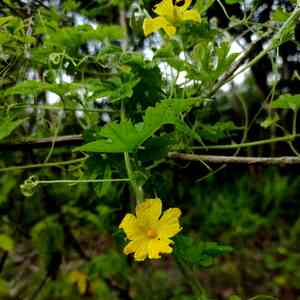
Chinese okra (Luffa acutangula)
Also known as: Angled luffa, Sponge gourd
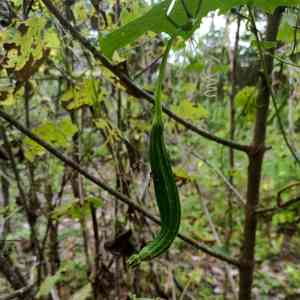
Chinese okra, or Luffa acutangula, is a robust climbing vine cultivated for its young fruits. These fruits are typically cylindrical and can grow up to approximately 46 cm in length. The plant also features yellow flowers that bloom from late afternoon until the following morning.
In This Article
Attributes of Chinese okra
Lifespan
Annual, Biennial
Plant Type
Herb, Vine
Plant Height
9 m
Spread
3 m to 5 m
Leaf Color
Green Blue
Flower Size
5 cm to 9 cm
Flower Color
Yellow
Images of Chinese okra


Quickly Identify Chinese okra
1
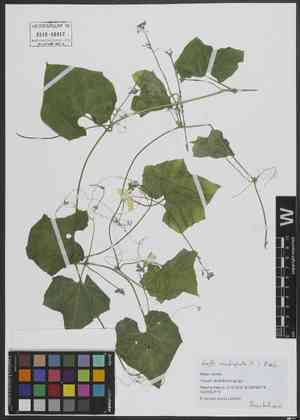
Luffa acutangula can be identified by its distinct angled and ridged fruit, which is long and cylindrical. The plant has large leaves with deep lobes and bright yellow flowers.
Scientific Classification of Chinese okra
Phylum
Vascular plants
Class
Dicotyledons
Order
Cucurbitales
Family
Gourd
Genus
Loofahs
Species
Chinese okra
Planting and Growing of Chinese okra
Care Difficulty
Easy
Watering Schedule
Every 4 days
Sunlight Requirements
Full sun
Sunshine Duration
4-6 hours
Ideal Temperature
75-85℉
Soil Type
Potting Mix, Peat Mix
Soil pH
6.5-7.5
Fertilizer Type
Balanced
Pruning Season
Spring, Summer
Pruning Area
Branches, Leaves
Pruning Frequency
2 times a year
Repotting Season
Spring
Pot Type
Plastic, Ceramic
 How to Water Chinese okra?
When watering Luffa acutangula, aim for thorough soaking. About 500 ml should do, just enough to moist the soil evenly without waterlogging. Always check the top inch of the soil; if it's dry, then it's time for another drink.
What are the symptoms of an underwatered Chinese okra?
›
What should I do if my Chinese okra is not getting enough water?
›
What are the symptoms of an overwatered Chinese okra?
›
How to save an overwatered Chinese okra?
›
 What Are the Sunlight Requirements for Chinese okra?
Luffa acutangula prefers full sun to partial sun, with 6-8 hours being optimal. This ensures energy for vigorous growth and plentiful flowering, critical for its fruiting process and overall aesthetic presence.
More About Sunlight Requirements Techniques→
How much light does Luffa acutangula require?
›
What are the solutions for achieving ideal light conditions?
›
What benefits does ideal light provide to Luffa acutangula?
›
 What Is the Ideal Temperature Range for Chinese okra?
Maintaining a temperature range of 75-85°F is crucial for Luffa acutangula as it ensures optimal growth conditions. This range supports proper metabolic processes and encourages healthy leaf development and flowering.
 What Soil is Best for Chinese okra?
Luffa acutangula thrives in well-drained soils that prevent water stagnation, ensuring the roots get enough oxygen. This enhances root health and promotes the vigorous growth of the plant. The plant requires fertile soil rich in organic matter, which provides essential nutrients for optimal growth and robust yields. Compost or well-rotted manure improves soil fertility significantly. While it's crucial to avoid waterlogged conditions, maintaining moderate moisture in soil ensures the plant receives sufficient hydration, preventing the leaves from wilting and promoting healthy fruit development.
 How to Fertilize Chinese okra?
For Luffa acutangula, it's crucial to apply a balanced amount of fertilizer. Use approximately 100 grams of well-balanced granule fertilizer per plant, ensuring it's spread evenly around the base to promote robust growth and fruiting without harming the roots.
 How to Prune Chinese okra?
Use sharp, sterilized pruning shears to make clean cuts, as dull tools can tear branches, leading to increased susceptibility to disease. Start by identifying diseased or damaged areas that should be cut away to promote overall plant health. Aerial roots can be problematic if they consume too many nutrients and water. Cut them back whenever they appear, especially if they are competing with the main plant structure, to optimize plant vitality. Focus on maintaining and elongating the primary stems to encourage vertical growth. These are vital for strong fruit trellising. Prune secondary branches that do not contribute to major upward growth.
More About Pruning Techniques→
 How to Propagate Chinese okra plant?
1
Soak the Luffa acutangula seeds in warm water for 24 hours to soften the seed coat. This will enhance germination rates. After soaking, plant them in a seed tray filled with nutrient-rich potting mix.
2
Choose healthy, disease-free stems that are about 6-8 inches long. Use sharp pruners to make an angled cut just below a node. Remove leaves from the bottom half to reduce water loss.
3
Insert the cuttings into a pot filled with a perlite or sand mixture. Water them lightly and cover them with a plastic dome to create humidity. Monitor for root development and transplant once roots are established.
 How to Repot Chinese okra plant?
1
Repotting Luffa acutangula should be considered when the plant shows signs of being root bound, visible roots outgrowing the drainage holes, or if the soil becomes compacted and poor in nutrients. The ideal time for repotting is during the active growth period, in spring or early summer, when the plant can adjust quickly to new conditions.
2
Choose a pot that is 2-3 inches larger in diameter than the current pot, which allows for adequate root growth and prevents waterlogging. A pot with good drainage holes promotes healthy root systems by preventing excess water retention, which is crucial to avoid root rot in Luffa acutangula.
3
Opt for a well-draining, sandy loam soil mixed with organic compost to ensure proper aeration and nutrient availability. Such soil will enhance the drainage capacity, reducing the risk of root diseases, and will provide the plant with necessary nutrients for robust growth.
Learn More About Chinese okra Diseases
Anthracnose
Bacterial Leaf Spot
Bacterial Wilt
Chemical Injury
Damping-off
Downy Mildew
Drought Stress
Fusarium Wilt
Gray Mold
Leaf Curl
Leaf Spot
Mosaic
Nutrient Deficiency
Nutrient Toxicity
Powdery Mildew
Root Rot
Root-knot Nematode
Sooty Mold
Spider Mites
Temperature Stress
Thrips Damage
White Mold



