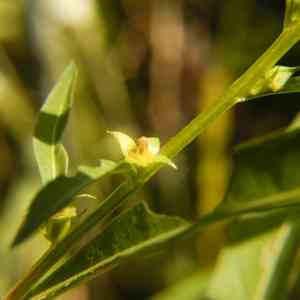
Manyfruit primrose-willow (Ludwigia polycarpa)
Also known as: Many-Fruited False-Loosestrife, Bushy Seedbox
The manyfruit primrose-willow (Ludwigia octovalvis) is commonly found in freshwater wetlands, including marshes, swamps, and the banks of streams and ponds. It prefers moist, well-drained soils and can adapt to varying water levels. This plant is characterized by its tall, branching stems, narrow lance-shaped leaves, and small yellow flowers with four petals. Known for its rapid growth, it often forms dense clusters, creating a supportive environment for various aquatic species.
In This Article
Attributes of Manyfruit primrose-willow
Lifespan
Perennial
Plant Type
Herb
Plant Height
30 cm to 91 cm
Spread
Variable, depending on growth conditions and space
Leaf Color
Green
Flower Size
Up to 0.5 inches
Flower Color
Yellow Red Green Brown
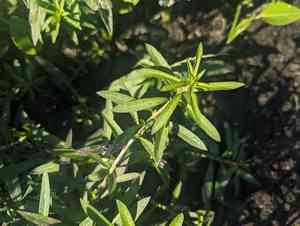
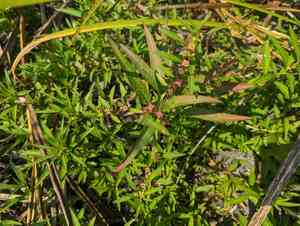
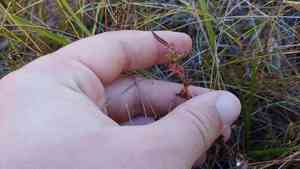
Images of Manyfruit primrose-willow

Quickly Identify Manyfruit primrose-willow
1
Ludwigia polycarpa can be identified by its alternate, lance-shaped leaves, small yellow flowers with four petals, and numerous fruit capsules that give it a clustered appearance. The stems are typically smooth and may branch out.
Scientific Classification of Manyfruit primrose-willow
Phylum
Vascular plants
Class
Dicotyledons
Order
Myrtales
Family
Evening primrose
Genus
Primrose-Willow
Species
Manyfruit primrose-willow
Planting and Growing of Manyfruit primrose-willow
Care Difficulty
Easy
Watering Schedule
Every 4 days
Sunlight Requirements
Partial sun
Sunshine Duration
4-8 hours
Ideal Temperature
68-86℉
Soil Type
Potting Mix, Peat Mix
Soil pH
6.5-7.5
Fertilizer Type
Balanced
Pruning Season
Spring, Summer
Pruning Area
Branches, Leaves
Pruning Frequency
Once a year
Repotting Season
Spring
Pot Type
Plastic, Ceramic
 How to Water Manyfruit primrose-willow?
For Ludwigia polycarpa, maintaining the right moisture level is crucial. Watering should be adequate enough to keep the soil evenly moist but not waterlogged. Approximately 250 milliliters per session ensures the roots have enough hydration without drowning the plant.
What are the symptoms of an underwatered Manyfruit primrose-willow?
›
What should I do if my Manyfruit primrose-willow is not getting enough water?
›
What are the symptoms of an overwatered Manyfruit primrose-willow?
›
How to save an overwatered Manyfruit primrose-willow?
›
 What Are the Sunlight Requirements for Manyfruit primrose-willow?
Partial sun to full sun exposure benefits Ludwigia polycarpa by supporting its growth and blooming potential. Ideal light encourages healthy foliage and vivid flowers.
Preferred Sunlight
›
Solution for Ideal Light
›
Effects of Ideal Lighting
›
 What Is the Ideal Temperature Range for Manyfruit primrose-willow?
Ludwigia polycarpa typically thrives best in temperatures between 68°F and 86°F. Maintaining this temperature range ensures optimal growth and robust physiological functions. Deviations might lead to stunted growth or stress, impacting the plant’s health and bloom quality.
 What Soil is Best for Manyfruit primrose-willow?
This plant requires soil that retains adequate moisture to support its thriving aquatic nature. Ensuring the soil maintains consistent moisture levels allows Ludwigia polycarpa to flourish in optimal conditions, preventing dehydration stress. A nutrient-rich substrate is ideal for Ludwigia polycarpa, as it helps promote vigorous growth and vibrant foliage. A well-balanced supply of nutrients ensures that the plant can efficiently perform photosynthesis and maintain healthy development. Good drainage is crucial for preventing waterlogging, which can lead to root rot. Incorporating soil that drains well yet holds onto necessary moisture ensures that Ludwigia polycarpa roots remain healthy and oxygenated, supporting overall plant vitality.
 How to Fertilize Manyfruit primrose-willow?
Ludwigia polycarpa benefits from balanced fertilization to maintain its lush growth. For liquid fertilizers, a mild concentration is advisable, around 1/4 to 1/2 of the recommended dosage on the fertilizer package, mixed thoroughly with water.
 How to Prune Manyfruit primrose-willow?
Begin by identifying any diseased, damaged, or dead stems and leaves, as these are the primary candidates for removal. Additionally, focus on areas where the plant is overly dense or has grown leggy, cutting back to promote even growth. Make clean, angled cuts just above a leaf node to encourage new growth. This technique helps direct water runoff and reduces the chance of disease. For shaping, deliberately plan cuts to maintain a balanced and appealing form. After pruning, provide adequate water and light to support recovery and growth. Monitoring for any signs of stress or imbalance is crucial in the weeks following pruning to ensure the plant returns to vigorous health.
More About Pruning Techniques→
 How to Propagate Manyfruit primrose-willow plant?
1
For seed propagation, collect seeds from mature Ludwigia polycarpa plants in late summer. Ensure seeds are fully matured and dry them properly before storage or planting.
2
Select healthy stems for cutting propagation, around 4-6 inches long, ensuring they have several nodes. Remove any leaves from the lower half, preparing the cutting for planting.
3
For both seeds and cuttings, plant them in well-draining soil. Maintain adequate humidity and moisture, and provide enough sunlight for optimal growth during early stages.
 How to Repot Manyfruit primrose-willow plant?
1
Ludwigia polycarpa should be repotted when you notice its growth stunted, roots coming out of the drainage holes, or the plant appearing top-heavy compared to the pot size. These signs indicate that the plant's root system has outgrown its current container and requires more space to continue thriving.
2
Select a pot that's one size larger than the current one and has adequate drainage holes. The new pot should provide enough room for root expansion and prevent waterlogging, which can lead to root rot. A pot with good drainage helps to keep the soil aerated and reduces the risk of overwatering.
3
Opt for a rich, well-draining loam soil, as it efficiently holds moisture without becoming waterlogged. A well-structured soil provides the plant with essential nutrients and helps in maintaining a balanced moisture level, promoting healthy root development and optimal plant growth.
Learn More About Manyfruit primrose-willow Diseases
Anthracnose
Bacterial Leaf Spot
Bacterial Soft Rot
Bacterial Wilt
Black Spot
Chemical Injury
Crown Gall
Cyst Nematode
Damping-off
Downy Mildew
Drought Stress
Fusarium Wilt
Gray Mold
Leaf Spot
Mosaic
Nutrient Deficiency
Nutrient Toxicity
Powdery Mildew
Root Rot
Root-knot Nematode
Rusts
Sooty Mold
Spider Mites
Temperature Stress
Thrips Damage
White Mold



