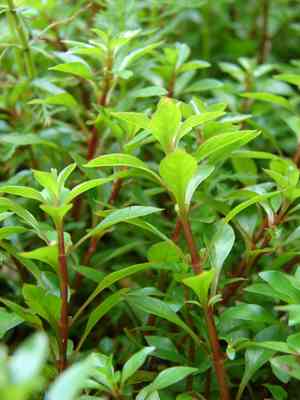
Marsh seedbox (Ludwigia palustris)
Also known as: Water primrose
The marsh seedbox (Ludwigia palustris) is an aquatic perennial herb that thrives in moist, waterlogged environments, such as wetlands and riverbanks. It is often used in aquariums due to its preference for submerged conditions. In Australia, it is deemed invasive because it can quickly dominate and overshadow native flora, disrupting local ecosystems. Its rapid growth and spread can also interfere with water flow and quality, posing a threat to aquatic habitats and biodiversity.
In This Article
Attributes of Marsh seedbox
Lifespan
Perennial
Plant Type
Herb
Plant Height
10 cm to 20 cm
Spread
90 cm to 1.2 m
Leaf Color
Green Red
Flower Size
2.5 cm
Flower Color
Yellow Green
Images of Marsh seedbox
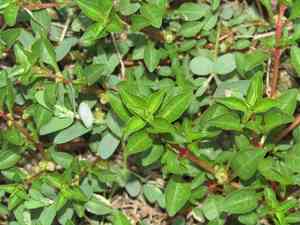
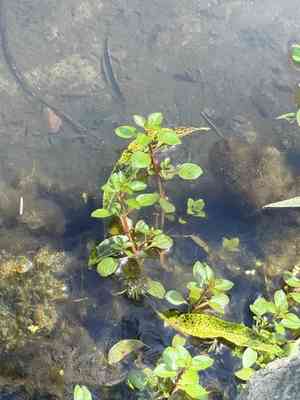
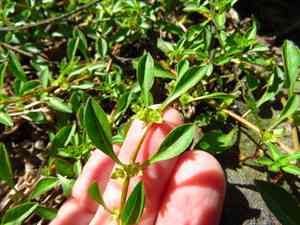
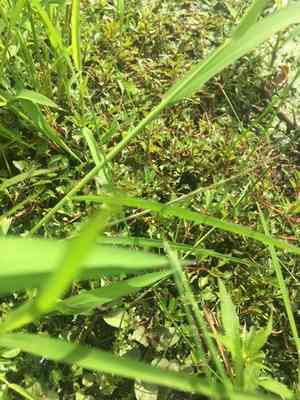
Quickly Identify Marsh seedbox
1
Succulent stems with striking red hue.
2
Small, stemless greenish flowers (1/8-1/4 inch diameter).
3
Distinctive small capsule fruit, green to brown, numerous tiny seeds.
4
Medium to dark green leaves, elliptic to ovate, pinnate veins.
5
Slender, soft, pliable branching stem, green to reddish-green in color.
Scientific Classification of Marsh seedbox
Phylum
Vascular plants
Class
Dicotyledons
Order
Myrtales
Family
Evening primrose
Genus
Primrose-Willow
Species
Marsh seedbox
Planting and Growing of Marsh seedbox
Care Difficulty
Easy
Watering Schedule
Every 12 days
Sunlight Requirements
Full sun
Sunshine Duration
6-10 hours
Ideal Temperature
68-77℉
Soil Type
Potting Mix, Peat Mix
Soil pH
6.5-7.5
Fertilizer Type
Balanced
Pruning Season
Spring, Summer
Pruning Area
Branches, Leaves
Pruning Frequency
2 times a year
Repotting Season
Spring
Pot Type
Plastic, Ceramic
 How to Water Marsh seedbox?
Ludwigia palustris, commonly known as marsh purslane, thrives in consistently moist soil. Aim to keep the soil wet but not waterlogged. A good rule of thumb is to water until you see some water coming out from the drainage holes.
What are the symptoms of an underwatered Marsh seedbox?
›
What should I do if my Marsh seedbox is not getting enough water?
›
What are the symptoms of an overwatered Marsh seedbox?
›
How to save an overwatered Marsh seedbox?
›
 What Are the Sunlight Requirements for Marsh seedbox?
The plant flourishes best under full to partial sun conditions. Proper lighting enhances its photosynthetic ability, supporting growth, and maintaining vibrant foliage colors.
More About Sunlight Requirements Techniques→
How much light does Ludwigia palustris need?
›
What are the ideal light conditions for Ludwigia palustris?
›
How to achieve ideal lighting for Ludwigia palustris?
›
 What Is the Ideal Temperature Range for Marsh seedbox?
Ideal temperatures, ranging from 68°F to 77°F, are crucial for optimal growth because Ludwigia palustris thrives in warmth that supports active metabolism and robust root development. Maintaining these temperatures helps prevent stress and promotes healthy foliage and flowering.
 What Soil is Best for Marsh seedbox?
Ludwigia palustris thrives in nutrient-rich soils, benefiting from an environment where essential nutrients are readily available. This supports vibrant growth and robust health, ensuring the plant's vivid foliage. The plant prefers soils that retain moisture well but also allow for adequate drainage. This balance prevents the roots from waterlogging while providing consistent hydration, crucial for the plant's thriving. A soil rich in organic matter is ideal for this plant, as it enhances soil structure and fertility. The organic content helps maintain moisture and supports beneficial microorganisms crucial for its growth.
More About Soil→
 How to Fertilize Marsh seedbox?
Ludwigia palustris, commonly known as water purslane, is a low-demand plant when it comes to fertilizers. For liquid fertilizer, a concentration of 2-3 milliliters per gallon is generally sufficient. Ensure you're not over-fertilizing, as excessive nutrients can cause algae growth in aquatic settings where this plant often resides.
 How to Prune Marsh seedbox?
Look for any excessively long or weak stems that aren't producing enough leaves. These should be your primary target for pruning to maintain compact growth. Cut the stems just above a leaf node or a branching point. This encourages new shoots and leaf growth, making the plant bushier and more visually appealing. Check for any yellowing or damaged leaves. Carefully snip these away to prevent the spread of disease and maintain the plant's overall health and appearance.
More About Pruning Techniques→
 How to Propagate Marsh seedbox plant?
1
Collect seeds from mature Ludwigia palustris plants and sow them in a seed tray filled with a suitable substrate. Ensure there is adequate light and warmth to facilitate germination.
2
Cut a 4-6 inch healthy stem from the plant, remove the lower leaves, and plant it in moist soil. Maintain consistent moisture and light until roots develop.
3
Carefully separate a section of the plant with its roots intact. Replant the divided section in an appropriate location, ensuring good soil and water.
 How to Repot Marsh seedbox plant?
1
Repot Ludwigia palustris when you observe its roots sprawling out of the current container or the plant's growth has noticeably slowed. These signs indicate that the plant needs more space and potentially fresh nutrients. Ideal times are during its growing season when it is most active, typically in spring or summer.
2
Select a pot that is only slightly larger than the current one to prevent waterlogging, which can cause root rot. Ensure the chosen pot has ample drainage holes to help keep the roots from sitting in excess moisture. A pot with these features promotes healthy root development and supports robust plant growth.
3
Opt for a soil blend that retains moisture yet allows excellent drainage, ensuring roots do not stay waterlogged. A rich, organic compost mixed with a bit of sand or perlite makes for an ideal soil. This combination supports strong root growth and provides necessary nutrients for the plant.
Learn More About Marsh seedbox Diseases
Anthracnose
Bacterial Leaf Spot
Bacterial Soft Rot
Bacterial Wilt
Chemical Injury
Damping-off
Downy Mildew
Drought Stress
Fusarium Wilt
Gray Mold
Leaf Spot
Mosaic
Nutrient Deficiency
Nutrient Toxicity
Powdery Mildew
Root Rot
Root-knot Nematode
Rusts
Sooty Mold
Spider Mites
Temperature Stress
Thrips Damage
White Mold



